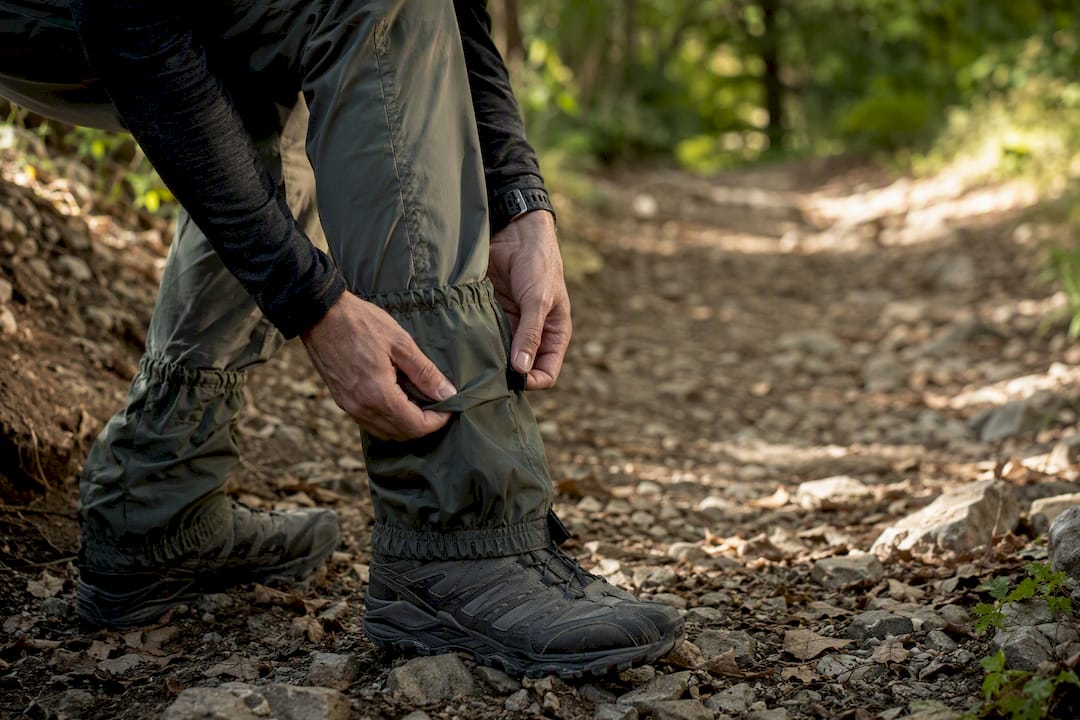
Wear pants under your gaiters by default, since the gaiters seal over the pant cuff and lock out grit, mud, and ticks. In sustained rain, flip that order and wear gaiters underneath your rain shell pants so water sheds away from the boot instead of running down into it. Deep snow is the one condition where gaiters go on last, over everything, for a tighter insulating seal. Whatever the setup, check the closure faces forward and the instep strap sits flat before you start walking.
TL;DR:
- Gaiters should be worn under rain pants in heavy rain and over pants in snow for optimal insulation and water management, depending on conditions.
- Proper gaiter fit requires fastening the front closure forward and ensuring the instep strap is snug but not tight, with regular checks during long hikes.
- Use gaiters mainly in snow, rain, dense brush, or tick-prone areas, and avoid them for dry day hikes on maintained trails to prevent unnecessary weight.
- Light, stretchy, and tightly fitting pants with slim ankles improve gaiter sealing, while loose or bulky fabrics create gaps and reduce effectiveness.
- Regular maintenance, such as cleaning, inspecting straps, and patching small tears, extends gaiter longevity across multiple seasons.
Table of Contents
- When to Wear Gaiters With Pants vs. Under Rain Shells
- How Do You Put Gaiters on Correctly?
- When Should You Actually Bring Gaiters?
- Matching Gaiters to Your Pants and Footwear
- Getting the Fit and Sizing Right
- Keeping Your Gaiters Working Season After Season
- Why Bug Away’s Gear Solves the Gaiter-Fit Problem
- Choosing Pants Materials That Actually Work With Gaiters
- Styling Gaiters and Pants Without Looking Like Gear Overload
- Adjusting Pant Length and Cuff Style for a Better Seal
- Keeping Pants in Good Shape Through Gaiter Use
- A Field Note on What Actually Wears Out First
- Get Gaiter-Ready Pants Built for the Trail, Not the Rack
- Sources
When to Wear Gaiters With Pants vs. Under Rain Shells
Most hikers default to the same setup: gaiters go over the pant cuff, sealing it against dirt, seeds, and biting insects working their way up from the ankle. That works fine for dry trail, light brush, and cool mornings where warmth and debris control matter more than water management.
Rain changes the math; for example, wearing packable rain pants paired with gaiters creates an effective shingled effect that sheds water down and away from the boot instead of funneling it inside, as seen with packable waterproof overpants. In a real downpour, wearing gaiters underneath rain pants creates a shingled effect that sheds water down and away from the boot instead of funneling it straight into your sock. Skip the shingle and water collects at the gaiter’s top hem, then slowly works its way inside anyway.
Here’s how to decide fast, mid-trail:
- Heavy, sustained rain: gaiters under rain pants, always.
- Deep or wet snow: gaiters over pants, cinched tight for insulation.
- Brush, thorns, or burrs: gaiters over pants works fine; warmth isn’t the concern.
- Tick-heavy terrain: gaiters over pants, sealed tight above the sock line.
- Light drizzle or damp morning grass: either order works; comfort wins.
If you’re only remembering one rule, remember this: rain flows downhill, so let the layers work with gravity instead of against it.
How Do You Put Gaiters on Correctly?
Getting gaiters on right takes about 30 seconds once you’ve done it a few times, but the order matters more than most people assume.
- Put your boots or shoes on first. Gaiters go on last, not before.
- Orient the gaiter so the front closure faces forward, toward your shin, not toward the back of your calf.
- Hook the lace hook (if your model has one) onto your boot’s lowest lace or eyelet.
- Thread the instep strap underneath the arch of your shoe and buckle it to the outside of your foot, away from your other ankle.
- Zip or Velcro the front closure shut completely, bottom to top.
- Cinch the top closure, snug but not tight, and tuck any loose pant fabric underneath the gaiter’s upper edge.
Once fastened, run a quick check: no visible gaps at the top or bottom, no numbness or tingling in your foot, and the instep strap should feel snug against your arch without digging in. A gaiter that seals properly against the boot keeps grit and water out and lets your waterproof boots actually do their job.
The most common mistake isn’t fit at all. It’s Velcro facing backward, which means every step you take starts peeling it open from the bottom. The second most common: a twisted instep strap that rubs a hot spot into your arch by mile three.
Pro Tip: Cinch the top closure just loose enough to slide two fingers underneath. Too tight cuts blood flow on long climbs; too loose lets snow and pebbles fall right in.
When Should You Actually Bring Gaiters?
Not every hike needs them, and carrying gear you never use is dead weight in your pack. Gaiters earn their spot in specific conditions: deep snow, wet brush, muddy stream crossings, dense off-trail bushwhacking, tick-heavy woods, and dusty trails where low-cut shoes let debris pour in with every step.
Quick reference for your pack list:
- Deep snow or postholing terrain: tall gaiters, non-negotiable.
- Sustained rain or river crossings: mid-height gaiters, worn under rain shells.
- Dense brush or bushwhacking off-trail: any height works; focus on abrasion resistance.
- Tick country, especially spring and early summer: low or mid-height, sealed tight above the sock.
- Short, dry day hikes on maintained trail: leave them home.
Footwear plays into the decision too. Trail runners with a low collar let debris in fast, so gaiters do more work there than with a tall leather boot that already blocks most of the ankle. If you’re weighing pack weight against protection, a lightweight pair of gaiters is cheap insurance against soaked socks or an afternoon pulling ticks off your calves.
Matching Gaiters to Your Pants and Footwear
The gaiter that works with your rain shell might fight with your softshell hiking pants, and the fit changes again depending on whether you’re in trail runners or boots.
- Rain pants: wear gaiters underneath, shingled so the rain pant hem overlaps the gaiter top. This is the same shed-water principle covered above, and it matters most in an all-day downpour.
- Bulky softshell or insulated pants: these usually work better tucked partly inside the gaiter rather than draped fully over it, since a thick cuff bunches up and creates pressure points against your shin.
- Trail runners: look for gaiters built with an elastic lower cuff or a heel Velcro patch designed to grip a low-collar shoe; standard boot gaiters often ride up because there’s no boot lip to anchor against.
- Boots: a lace hook plus a snug instep strap gives the most secure fit, since the boot’s stiffer sole and higher collar give the gaiter something to grip.
Thin nylon hiking pants and gaiters generally play well together no matter the order, since there’s minimal bulk to manage at the seam. Jeans and heavy denim are the worst pairing here. They don’t compress well under a gaiter’s top cinch and tend to create gaps exactly where you need the seal tightest.
Getting the Fit and Sizing Right
Gaiters are sized by calf and ankle circumference, not shoe size, so measure both before you order a pair. Most brands list a range in inches for each; if you’re between sizes, size up slightly rather than down, since a gaiter that’s too tight around the calf cuts circulation on long descents.
A little gap at the very top is fine, even useful, since it lets some airflow through on warmer days without compromising the seal lower down. The instep strap and boot seal do the real work of keeping debris out, not a death grip at the top of your calf.
On longer trail days, build in a habit of checking your setup every hour or two:
- Reach down and confirm you can still slide two fingers under the top cinch.
- Check for numbness or tingling in your toes, a sign the top or instep strap has crept too tight.
- Look at the instep strap itself. It’s the highest wear part on any gaiter and the first thing to fail.
- Confirm the front closure hasn’t started peeling open from foot flex.
Instep straps take a beating from repeated flexing and abrasion against rock and dirt. Carrying a spare strap, or at minimum a zip tie and a length of paracord, turns a broken strap from a trip-ending problem into a two-minute fix.
Pro Tip: If a strap snaps mid-hike, thread a zip tie through the existing anchor points and cinch it snug. It won’t last forever, but it’ll get you back to the car.
Keeping Your Gaiters Working Season After Season
Gaiters take more direct abuse than almost anything else in your kit, so a little maintenance goes a long way toward getting multiple seasons out of a pair.
- Knock off loose dirt and grit before washing; grinding it in during a wash cycle wears down waterproof coatings faster.
- Hand-wash with a mild soap, rinse thoroughly, and air-dry rather than tossing them in the machine or a dryer, since heat breaks down waterproof membranes over time.
- Store them dry and loosely packed. Compressing gaiters at the bottom of a gear bin for months can crack coatings at the fold lines.
- For a torn seam or small rip in the field, a strip of duct tape or repair tape holds through the end of a trip; patch it properly at home.
Why Bug Away’s Gear Solves the Gaiter-Fit Problem
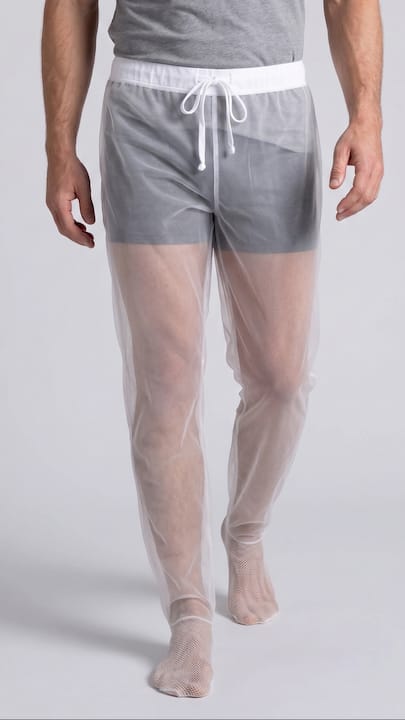
Most gaiter frustration doesn’t come from the gaiter. It comes from what’s underneath. Baggy pant cuffs bunch under the seal, and gaps above the sock line are exactly where ticks climb in. Bug Away’s men’s pants use a fine, breathable mesh built to fit close at the ankle, which gives a gaiter a clean, low-bulk surface to seal against instead of fighting excess fabric.
Because the mesh is a physical barrier rather than a chemical one, you’re not layering gaiters over pants treated with insecticide, which matters if you’re hiking with kids or pets nearby. Every Bug Away garment is backed by a 30-day money-back guarantee, and the company points to feedback from over 500 customers reporting zero tick bites while wearing the gear.
If you’re pairing gaiters with boots, a slimmer-fit pant leg helps the seal sit flat. With trail runners and their lower collar, that same slim ankle fit keeps the gaiter’s elastic cuff from riding up over a bunched pant hem.
Choosing Pants Materials That Actually Work With Gaiters
Fabric weight and stretch decide more about your gaiter fit than most hikers realize. Ripstop nylon and lightweight polyester blends compress cleanly under a gaiter’s top cinch, leaving a flat surface with no folds for water or grit to hide in. Softshell fabrics with a brushed interior add warmth but also add bulk right where the gaiter needs to grip tightest.
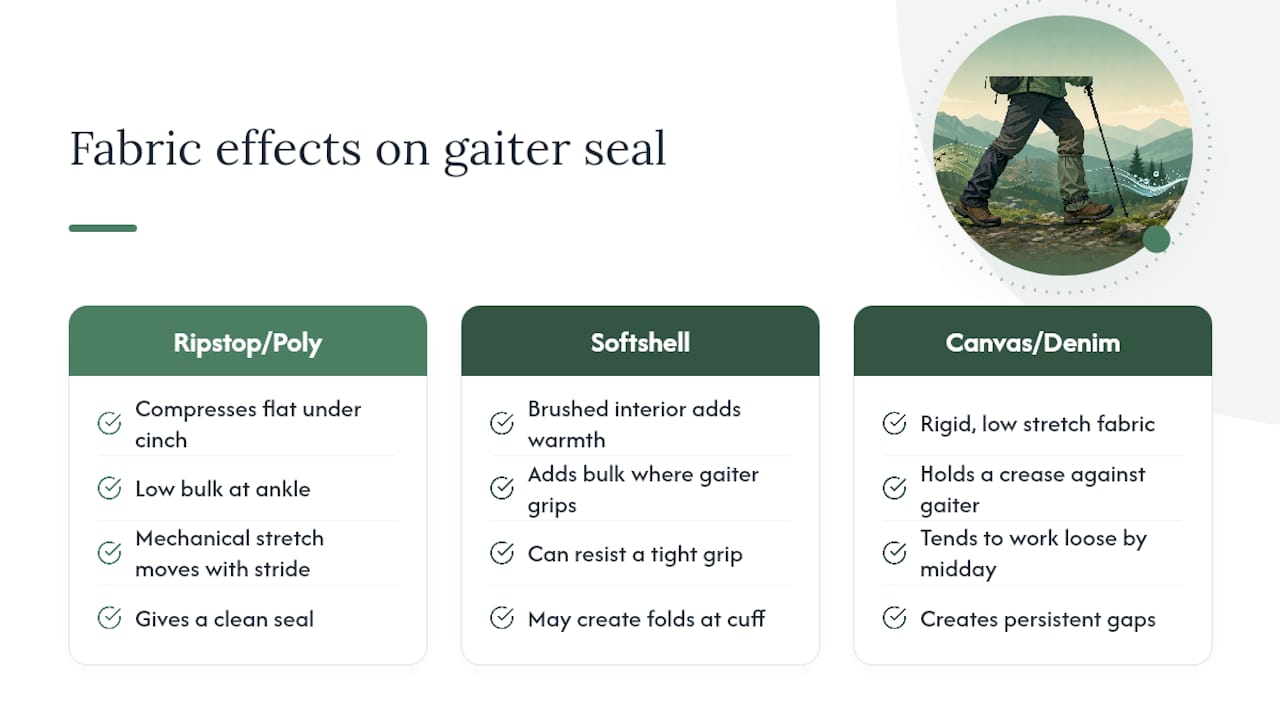
Stretch matters almost as much as thickness. A pant with some mechanical stretch at the knee and ankle moves with your stride instead of dragging the gaiter’s top edge down with every step. Rigid canvas or raw denim, by contrast, holds a crease that fights the gaiter’s shape and tends to work its way loose by midday.
Fit through the ankle matters more than fit anywhere else on the leg. A pant that flares or bells out at the cuff creates extra fabric that has to get tucked, folded, or bunched before the gaiter goes on, and every fold is a potential gap. A pant that tapers naturally to a slim ankle, even without an actual cuff cinch, gives the gaiter a clean line to seal against.
Color and coating matter for one practical reason: light-colored, treated fabrics show mud and grit fast, which makes it obvious when it’s time to knock debris off before it works its way under the gaiter seal. That’s a small thing, but it saves you from hiking half a day with sand grinding against your ankle without noticing.
Styling Gaiters and Pants Without Looking Like Gear Overload
Gaiters have a reputation for looking clunky, and that reputation is mostly earned by mismatched proportions rather than the gaiters themselves. A slim-fit hiking pant paired with a low or mid-height gaiter reads as intentional trail gear. A baggy cargo pant over a tall gaiter reads as bulk stacked on bulk.
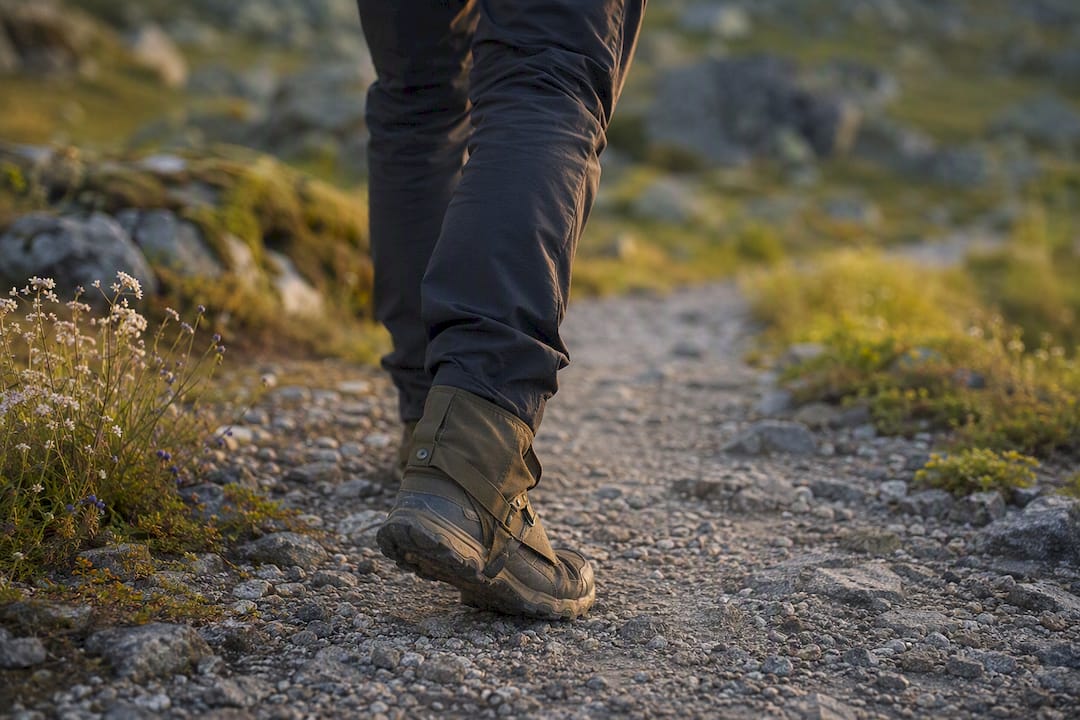
Color coordination is a minor detail with a real payoff. Neutral gaiters, tan, olive, or charcoal, blend with almost any pant color and disappear visually once you’re moving. Bright gaiters in safety orange or red make sense for hunting season visibility but tend to draw the eye and emphasize the exact bulk you’re trying to minimize.
Height choice affects the silhouette more than most people expect. Low gaiters that stop just above the ankle bone keep the boot to pant transition looking continuous. Tall gaiters that reach mid-calf work fine functionally but visually chop the leg line, which matters if you’re also wearing gaiters into town on a through-hike stop.
One combination worth avoiding: shorts with tall gaiters. It works for deep-snow mountaineering where warmth outranks everything else, but for a standard three-season hike it leaves an exposed strip of bare skin between the gaiter top and the shorts hem, which defeats the entire purpose of wearing a barrier layer in tick or brush country.
Adjusting Pant Length and Cuff Style for a Better Seal
Standard-length hiking pants are usually cut for wearing over a boot, not under a gaiter, so the hem often sits a half inch to an inch longer than ideal once a gaiter is added. That excess fabric bunches at the ankle and forces the gaiter’s bottom edge to ride up over a lump of extra material instead of sitting flat against the boot.
Cuffing or rolling the pant hem once, about an inch, before pulling the gaiter over it solves most of that bunching without any permanent alteration. Some hikers hem their gaiter pants a half-size shorter specifically for this reason, keeping a separate pair on hand for gaiter-heavy trips.
Elastic or drawcord ankle cuffs, common on softshell and winter hiking pants, actually help gaiter fit rather than hurting it. The built-in cinch keeps the pant leg snug against the ankle on its own, so the gaiter only has to manage its own seal rather than also containing loose fabric.
Zip-off pants convert to shorts easily, but check the zipper’s bulk at the ankle before pairing them with a gaiter; some zipper housings sit thick enough to create a pressure point right where the instep strap runs. If that’s the case, a slightly looser instep strap setting solves it without sacrificing the seal higher up.
Keeping Pants in Good Shape Through Gaiter Use
Pants worn under gaiters take friction in a narrow band right at the ankle, which wears fabric there faster than anywhere else on the leg. Check that spot for thinning fabric or pilling every few trips, especially with softshell blends that abrade faster than ripstop nylon.
Grit trapped between the pant cuff and gaiter interior acts like sandpaper with every stride. Shaking out pant legs and gaiters separately after a dusty or sandy hike, rather than just tossing the whole outfit in a hamper, keeps that abrasive buildup from grinding into the fabric over a full season.
Wash gaiter-worn pants inside out when possible, since that protects the outer face from the pilling that comes from repeated contact with a gaiter’s interior lining. Skip fabric softener on technical hiking pants entirely. It coats the fibers and reduces the water resistance that most trail pants are built with.
If a pant cuff starts fraying from repeated gaiter contact, a simple line of stitching or fabric tape at the hem extends its life by another season rather than forcing an early replacement.
A Field Note on What Actually Wears Out First
Rain gets the gaiters-under treatment in my setup every time, no exceptions, because I’ve had the alternative soak through by lunch more than once. Snow gets the traditional over-pants seal for the warmth. The part nobody warns you about: instep straps fail quietly, so check them before the strap, not after it snaps on a scramble.
— Thomas
Get Gaiter-Ready Pants Built for the Trail, Not the Rack
If you’ve read this far, you already know a gaiter is only half the equation. What’s underneath it matters just as much, and that’s where most off-the-shelf hiking pants fall short around ticks and biting insects. Bug Away built its pants and combo sets specifically to close that gap with a physical mesh barrier instead of a chemical spray, so the protection doesn’t wash out or wear off.
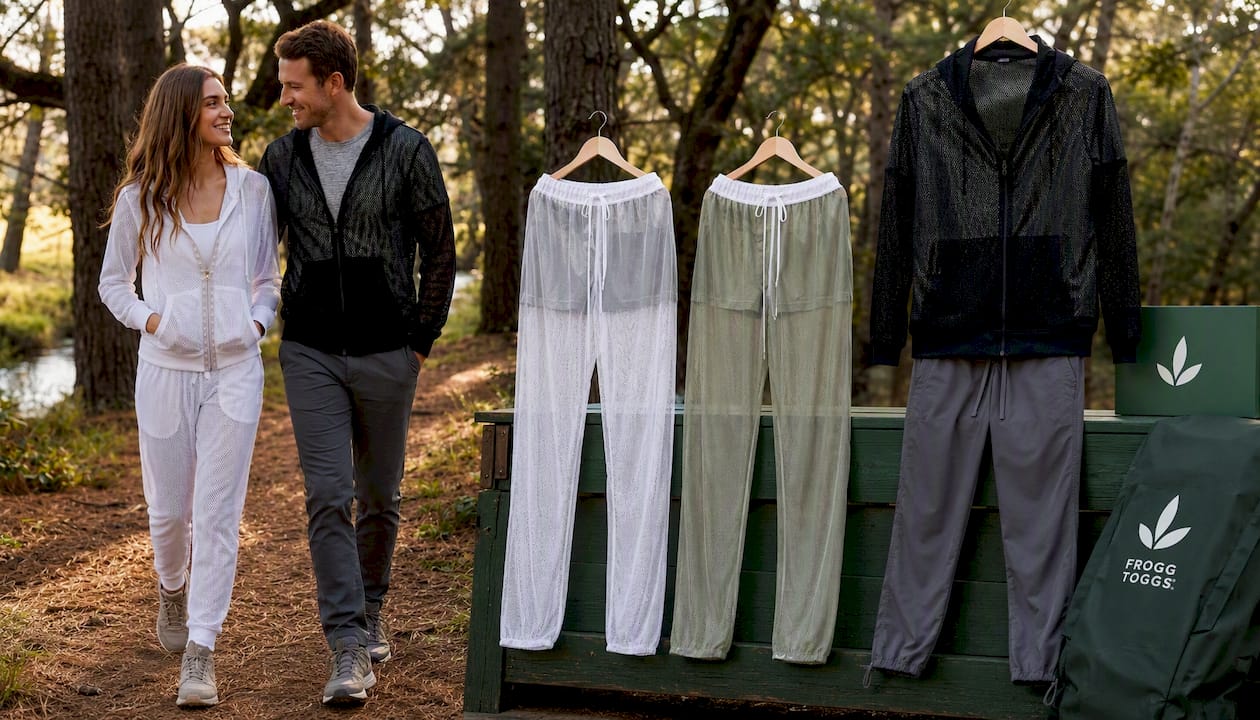
The lineup covers what most gaiter-and-pants setups need: Bug Away Pants for men, Bug Away Pants for women, and the combo set pairing jacket and pants for full coverage on longer trips. Check the sizing chart on each product page before you order, then pick the option that matches your planned terrain and footwear.
Sources
For deeper reference on fit and technique, REI’s guide to choosing and using gaiters covers the shingling method in more detail, and Oregon Tails’ practical breakdown walks through use-case scenarios by terrain type. Rise & Alpine’s hikers’ guide covers closure orientation and maintenance basics worth bookmarking before your next trip.
- How to Choose and Use Gaiters | REI Expert Advice
- How to Use Gaiters for Hiking, Snow, Mud, and Wet Trails
- A Hikers Guide to Gaiters: How They Function & Why You Should Use Them – Rise & Alpine