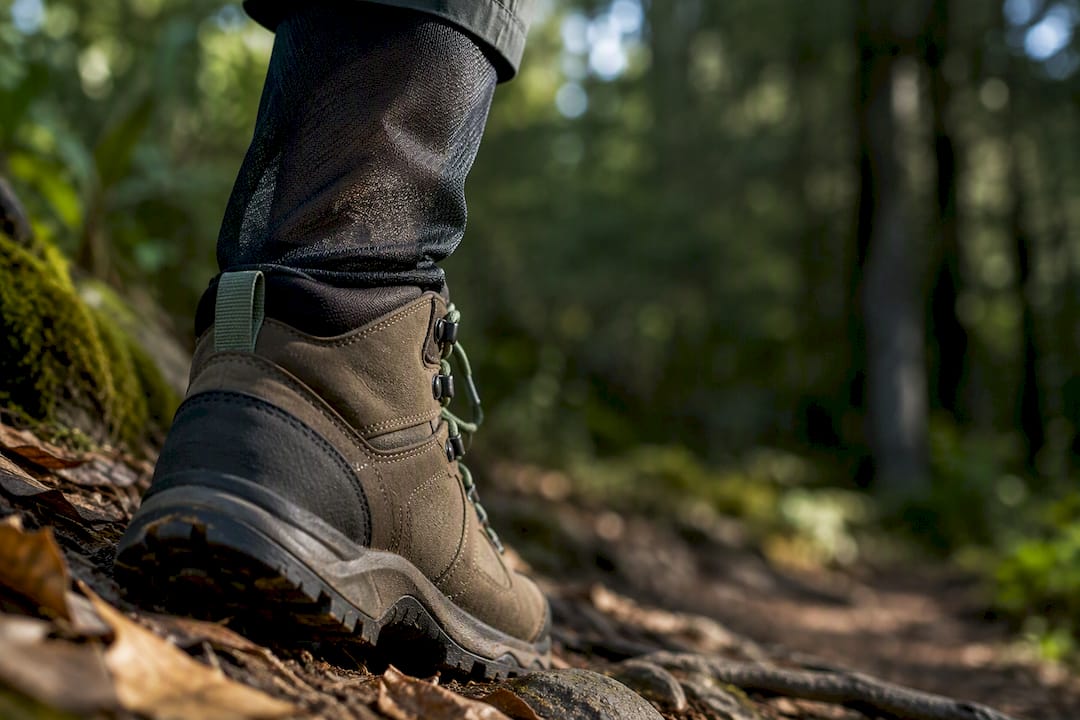
Three approaches actually work as Noobites alternatives: purpose-built chemical-free mesh clothing, permethrin-treated garments, and EPA-registered topical repellents used on any exposed skin. For most hikers, gardeners, and families who want to skip insecticides altogether, engineered chemical-free mesh clothing is the strongest starting point. No clothing covers every inch of skin, so pair whatever you choose with a topical repellent for your hands, neck, and face.
TL;DR:
- Chemical-free mesh clothing with engineered pore size provides up to 100% bite prevention when correctly fitted, especially at cuffs, hoods, and ankles.
- Permethrin-treated garments offer effective insect repellent action but have limited wash durability and do not protect exposed skin, requiring re-treatment over time.
- Topical EPA-registered repellents like DEET, picaridin, or oil of lemon eucalyptus are quick and flexible but need frequent reapplication and can irritate sensitive skin.
- Proper coverage depends more on garment design than fabric, with closures at cuffs and ankles critical, and heat treatment can help kill ticks after outdoor activities.
- Buying from official brand websites ensures accurate fit, specifications, and return policies, with mesh specifications and independent testing being important quality indicators.
Table of Contents
- What Are the Noobites Alternatives and How Do They Work?
- Pros, Cons, and Real-World Limits of Each Approach
- How Do You Choose the Right Alternative?
- Where Bug Away Fits the Buyer Checklist
- Comparing Features, Pros, Cons, and Price Shape
- What Environment and Activity Should Drive Your Decision?
- Where Can You Buy Noobites Alternatives?
- What Do Real Users Say About Comfort and Performance?
- How Do Warranty and Return Policies Compare?
- Are There Allergens or Irritants to Watch For?
- A Practical Take on Choosing Between Mesh and Permethrin
- Ready to Try Chemical-Free Protection?
- Sources
- FAQ
What Are the Noobites Alternatives and How Do They Work?
Each of these three categories stops bites through a different mechanism, and understanding that difference is the fastest way to pick the right one.
Chemical-free insect-blocking mesh works purely on physics. The fabric’s pore size is engineered small enough that a mosquito’s proboscis or a tick’s mouthparts can’t reach skin through it, and the knit structure keeps the fabric from collapsing against your body when you sweat or move. NC State researchers tested this directly: prototype garments with the right pore size and fit produced 100% bite prevention in controlled trials, while ordinary clothing let plenty of bites through. Fit matters as much as the fabric itself. A mesh sleeve that clings to your forearm when you sweat gives an insect a straight shot at skin, no matter how fine the weave is.
Permethrin-treated clothing takes a different route: an insecticide bonded to the fibers during manufacturing. The EPA confirms permethrin is the only insecticide currently used for factory treatment of clothing, and it kills or repels insects that land on treated fabric. It only protects the skin actually covered by that fabric, and label instructions govern how many washes the treatment survives before you need new gear or a home retreatment kit.
Topical EPA-registered repellents cover the gaps clothing can’t. The CDC lists DEET, picaridin, IR3535, oil of lemon eucalyptus (PMD), and 2-undecanone as the active ingredients with proven track records, each with different duration and skin-feel trade-offs.
- Gaiters and head nets add coverage at the ankles and face where clothing typically gaps.
- Removing standing water and mowing tall grass near your yard cuts mosquito breeding sites before you even get dressed.
Pros, Cons, and Real-World Limits of Each Approach
No option here is perfect, and pretending otherwise sets you up to get bitten anyway. Here’s where each one tends to fall short in practice.
- Chemical-free mesh clothing. No insecticide exposure, no reapplication, and it works for the life of the garment. The catch: cheap mesh with loose cuffs, no ankle overlap, or a floppy hood defeats the whole purpose, since ordinary fabric openings let mosquitoes probe through unless the knit geometry is specifically engineered to block it.
- Permethrin-treated clothing. Effective against labeled pests when used exactly as directed, according to EPA registration data, but it does nothing for your hands, neck, or face, and factory-applied treatments generally outlast home sprays through many more wash cycles.
- Topical repellents alone. Fast, flexible, and cheap, but you’re reapplying every few hours and accepting direct skin contact with an active ingredient, which some parents and sensitive-skin users would rather avoid entirely for daily wear.
Care routines differ sharply between the two clothing types. Factory-permethrin garments typically tolerate a set number of washes before the label’s protection guarantee expires, and manufacturers usually warn against high heat that degrades the treatment. Chemical-free mesh has no such chemical to preserve. It just needs normal laundering to stay breathable, though tumble-drying on high for about 10 minutes after a hike is worth doing anyway, since the CDC notes this heat exposure kills ticks that hitched a ride home on dry clothing.
Kids and multi-day hikers tend to do best with chemical-free mesh, since there’s no reapplication schedule to track and no concern about repeated permethrin exposure over consecutive days. Gardeners in humid climates often add a light topical repellent on hands and forearms regardless of what they’re wearing, since sweat and glove removal create exposure gaps mesh alone can’t close.
Pro Tip: Before buying any “insect-proof” garment, check whether the listing specifies mesh hole size or wash-count durability. Vague claims like “tick-resistant fabric” with no spec numbers are a sign the manufacturer hasn’t tested it the way NC State or textile engineering journals actually do.
How Do You Choose the Right Alternative?
Start with coverage, not fabric hype. A garment’s protective value collapses the moment there’s a gap at the wrist, ankle, or collar, so prioritize hoods that cinch, cuffs with real closures, and enough ankle overlap to tuck into boots without a bare strip of skin showing.
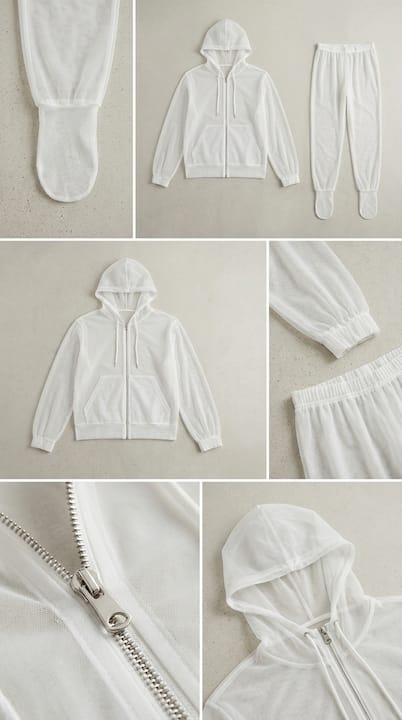
Next, decide your mechanism based on how you feel about chemical exposure. If you want zero insecticide near your skin, chemical-free mesh is the more defensible long-term choice, especially for daily or seasonal wear. If you need proven insecticidal action against a specific labeled pest and you’re comfortable with a treated fabric, permethrin clothing used per EPA label instructions is a legitimate option.
Before you buy, ask sellers direct questions: What’s the mesh pore size or knit spec? How many washes before performance drops? Is there independent testing behind the bite-blocking claim, the way peer-reviewed textile engineering studies validate specific knit structures? A brand that can’t answer any of that is selling a label, not a barrier.
Watch for these red flags before checkout:
- Marketing copy that says “bug-proof” with no fabric spec, wash-count, or independent test mentioned.
- No stated return or fit-exchange policy on clothing you can’t try on first.
- Reviews that only mention style or comfort, never actual bite outcomes.
One data point worth remembering while you shop: the same NC State trial that hit 100% bite prevention also tested standard clothing side by side, and it did not come close to that number. Fabric engineering, not fabric thickness alone, is what separated the two.
Where Bug Away Fits the Buyer Checklist
Bug Away builds its lineup around the checklist above rather than around marketing language. The catalog covers pants, jackets, full combo sets, and kids’ sets, all working on the same physical-barrier principle rather than an insecticide.
- Coverage design: integrated foot coverage and ultra-fine mesh aimed at closing the cuff, ankle, and hood gaps that undermine cheaper insect-blocking clothing.
- Materials: eco-responsible, chemical-free fabric with no insecticide to wash out or reapply over the life of the garment.
- Care: standard laundering keeps the mesh breathable, since there’s no chemical treatment whose potency depends on wash count.
- Buyer protection: a 30-day money-back guarantee backs every purchase, and the brand cites more than 500 customers who reported zero tick bites while wearing the gear.
None of that replaces a topical repellent on your hands or face. Bug Away’s mesh protects covered skin; anything left exposed still needs an EPA-registered repellent applied per label directions.
Comparing Features, Pros, Cons, and Price Shape
| Category | Protection mechanism | Coverage fit | Chemical exposure | Care/durability | Best for |
|---|---|---|---|---|---|
| Chemical-free mesh | Physical barrier (pore size, knit) | Depends heavily on hood/cuff/ankle design | None | Standard wash, no potency to lose | Daily wear, kids, multi-day trips |
| Permethrin-treated | Insecticidal contact kill/repel | Same as base garment cut | Yes, per EPA label | Wash-count limited, avoid excess heat | Targeted pest exposure, shorter trips |
| Topical repellent | Chemical deterrent on skin | Only where applied | Yes, direct skin contact | Reapply every few hours | Exposed skin under any clothing choice |
Pricing shapes differ too. Chemical-free mesh is typically a one-time purchase with no ongoing cost beyond normal laundering. Permethrin clothing may need periodic retreatment kits if you buy untreated garments and spray them yourself, adding a recurring cost the factory-treated version avoids. Topical repellents are the cheapest per unit but the most recurring, since you’re buying more every season.
What Environment and Activity Should Drive Your Decision?
Your climate and activity matter more than any single product feature. Humid, tick-heavy regions call for tighter ankle and cuff closures regardless of mechanism, since ticks climb upward looking for any gap. Dry, open trail hiking puts more pressure on mosquito protection at dusk, when CDC prevention guidance recommends stacking clothing coverage with repellent rather than relying on either alone.

Personal sensitivity is the other variable worth weighing honestly. If you or your kids have reacted to DEET or other topical actives before, shifting the coverage burden onto chemical-free mesh clothing reduces how much skin needs repellent in the first place. Gardeners spending hours in tall grass benefit from breathable mesh that won’t feel like a sauna during a July afternoon, while anglers standing in humid riverbank conditions need fabric that dries fast between wears.
Multi-day backpackers should weigh permethrin’s wash-count limits against a trip’s actual laundering access. If you can’t rewash treated gear mid-trip, factory treatment holding for the whole trip matters more than it would for a day hike. Families with young kids tend to gravitate toward chemical-free options simply to remove one more variable from a packing list already full of sunscreen and bug spray.
Where Can You Buy Noobites Alternatives?
Chemical-free mesh clothing and permethrin-treated garments are both sold primarily through brand websites rather than big-box outdoor stores, since the category is still a specialty niche compared to standard hiking apparel. Bug Away sells its full lineup, including pants, jackets, and combo sets, directly through its own online store rather than through third-party marketplaces.
Permethrin-treated apparel shows up more often in outdoor retail chains and hunting supply stores, sold alongside standalone permethrin spray kits for home treatment. Topical repellents are the easiest to find anywhere, from pharmacies to grocery stores to gas stations, since they’re a mainstream consumer product rather than a specialty item.
Buying direct from a brand’s own site typically gets you accurate sizing charts, current stock on kids’ sizes, and a documented return policy. Third-party resellers sometimes carry discontinued colors or sizes without the same guarantee coverage, so checking the manufacturer’s own product page before buying elsewhere is worth the extra minute, especially for hiking-specific gear where fit determines whether the coverage actually works.
What Do Real Users Say About Comfort and Performance?
Reviews of chemical-free mesh clothing consistently circle back to two things: breathability in heat and whether the fit actually closes the gaps the fabric promises. Buyers who’ve tried both permethrin-treated and chemical-free options often report that the biggest complaint with cheaper mesh isn’t the fabric itself but loose cuffs and hoods that shift during hikes, letting mosquitoes in exactly where the garment is supposed to seal.
Some brands cite customer reports of zero tick bites while wearing their gear, attributing success to integrated foot coverage and ankle design rather than the mesh fabric alone. That distinction matters when you’re comparing reviews across brands. A garment can use fine mesh and still fail in practice if the cut leaves gaps at pressure points like knees, elbows, or the small of the back.
For permethrin-treated clothing, user feedback tends to focus on smell right after treatment (which usually fades within a wash or two) and how many wear-and-wash cycles the protection actually survives before performance drops. Topical repellent reviews are more about feel on skin (greasy DEET formulas versus lighter picaridin lotions) than about raw effectiveness, since both are backed by decades of EPA registration data.
Read reviews with the buyer checklist in mind: comfort complaints matter, but bite-outcome reports and fit descriptions tell you more about real protection than star ratings alone.
How Do Warranty and Return Policies Compare?
Return policy generosity varies a lot between insect-protection brands, and it’s one of the easiest ways to judge how confident a company is in its own product. Some companies back purchases with a 30-day money-back guarantee, giving customers a full month to test fit, coverage, and comfort before committing.
Permethrin-treated clothing brands often have shorter or more conditional return windows, partly because treated fabric can’t always be resold once worn, and retailers want to avoid returns of chemically treated garments. Topical repellents are rarely returnable once opened, for obvious hygiene reasons, so most of your decision-making there happens before purchase rather than after.
Customer support quality matters most when you’re dealing with sizing questions on kids’ gear or fit issues on combo sets. Look for a company that publishes a direct contact method rather than burying support behind a generic contact form, and check whether sizing charts include actual body measurements rather than vague “small/medium/large” labels that vary wildly between brands.
Are There Allergens or Irritants to Watch For?
Chemical-free mesh clothing carries the lowest irritant risk of the three categories simply because there’s no active chemical ingredient in the fabric itself. The main consideration is the base textile: some synthetic blends can irritate sensitive skin regardless of insect protection, so checking fabric composition matters for anyone with contact dermatitis history, independent of the bite-blocking claim.
Permethrin-treated clothing carries more caution. The EPA notes permethrin-treated garments should be used per label instructions, and while it’s registered for use on clothing rather than skin, people with known sensitivities to pyrethroid compounds should talk to a doctor before wearing treated gear regularly.
Topical repellents carry the widest range of individual reactions. DEET can irritate sensitive skin at higher concentrations, and some users react to fragrance additives in oil of lemon eucalyptus formulas. The CDC’s guidance to use EPA-registered repellents as directed exists precisely because concentration and application method affect both efficacy and skin tolerance. Patch-testing any new repellent on a small area before a full application is a reasonable precaution, especially for kids or anyone with a history of skin sensitivity.
A Practical Take on Choosing Between Mesh and Permethrin
Chemical-free mesh makes the most sense for anything recurring: daily dog walks through tick habitat, a season of weekend gardening, or a family that wants one set of gear they don’t have to think about retreating. Permethrin earns its place on shorter, higher-exposure trips where you want proven insecticidal action and you’re not worried about multi-week wash cycles.
The tip that gets skipped most often: check your ankle overlap before you leave the house, not after you get home covered in bites. Tuck pant cuffs into boots or socks so there’s no gap for anything to climb through, and if you’ve been in tall grass or brush, tumble-dry your clothes on high for about ten minutes when you get back. That heat step kills ticks riding home on dry fabric, whether you were wearing mesh, treated clothing, or neither.
Layered protection isn’t a compromise between the two approaches; following practical layered prevention guidance including clothing, repellent, and inspection is the only approach that actually closes the gaps either one leaves alone. It’s the only approach that actually closes the gaps either one leaves alone.
— Thomas
Ready to Try Chemical-Free Protection?
If you’ve been weighing permethrin sprays against something you never have to retreat, Bug Away is built for exactly that choice. Every piece uses the same chemical-free mesh discussed throughout this guide, backed by a 30-day money-back guarantee so you can test fit and coverage risk-free.

The lineup covers the situations most readers land on: women’s pants and men’s pants for solo hikes and gardening, the women’s combo set for full-day coverage, and a dedicated kids’ set sized for smaller frames rather than a scaled-down adult cut. Jackets are available separately for women and men if you already have bottoms covered, and accessories like head nets fill in the gaps clothing can’t reach.
Check the size chart and coverage notes on each product page before ordering, especially cuff and ankle specs, since that’s what separates gear that actually blocks bites from gear that just looks like it should. Browse the full Bug Away catalog to match a set to your next hike, garden weekend, or family outing.
This article is general information, not a substitute for advice from a qualified doctor. Consult a qualified healthcare professional about your own circumstances before acting on anything here.
Sources
- Mosquito-Resistant Clothing Prevents Bites in Trials | NC State News
- Repellent-Treated Clothing | US EPA
- Preventing mosquito bites | Mosquitoes | CDC
- Computer numerical control knitting of high-resolution mosquito bite blocking textiles | Communications Engineering | Springer Nature
FAQ
What Are the Best Noobites Alternatives for Beginners?
Chemical-free mesh clothing is the easiest starting point since it requires no reapplication schedule or label compliance to track. Bug Away’s pants and jackets work as a physical barrier straight out of the package, with just normal laundering as ongoing care.
Is Permethrin-Treated Clothing Safe to Wear Regularly?
Permethrin-treated clothing is registered and considered safe when used exactly per EPA label instructions, but it only protects the skin it covers and has a limited number of effective wash cycles. Anyone with pyrethroid sensitivities should consult a doctor before wearing it regularly.
Do I Still Need Bug Spray if I Wear Insect-Blocking Clothing?
Yes. Even the best-fitted chemical-free mesh clothing leaves your hands, neck, and face exposed, and the CDC recommends an EPA-registered topical repellent on any uncovered skin regardless of what you’re wearing.
How Much Does Bug Away’s Chemical-Free Clothing Cost?
Current prices for Bug Away’s pants, jackets, and combo sets are listed directly on the product pages, since pricing can shift with sizing and bundle options. Every purchase includes a 30-day money-back guarantee.
What Should I Check Before Buying Any Insect-Blocking Garment?
Look for a specific mesh pore size or knit spec rather than vague “bug-proof” language, plus clear ankle, cuff, and hood closure design. Peer-reviewed textile research confirms that knit structure and fit, not fabric thickness alone, determine whether a garment actually blocks bites.