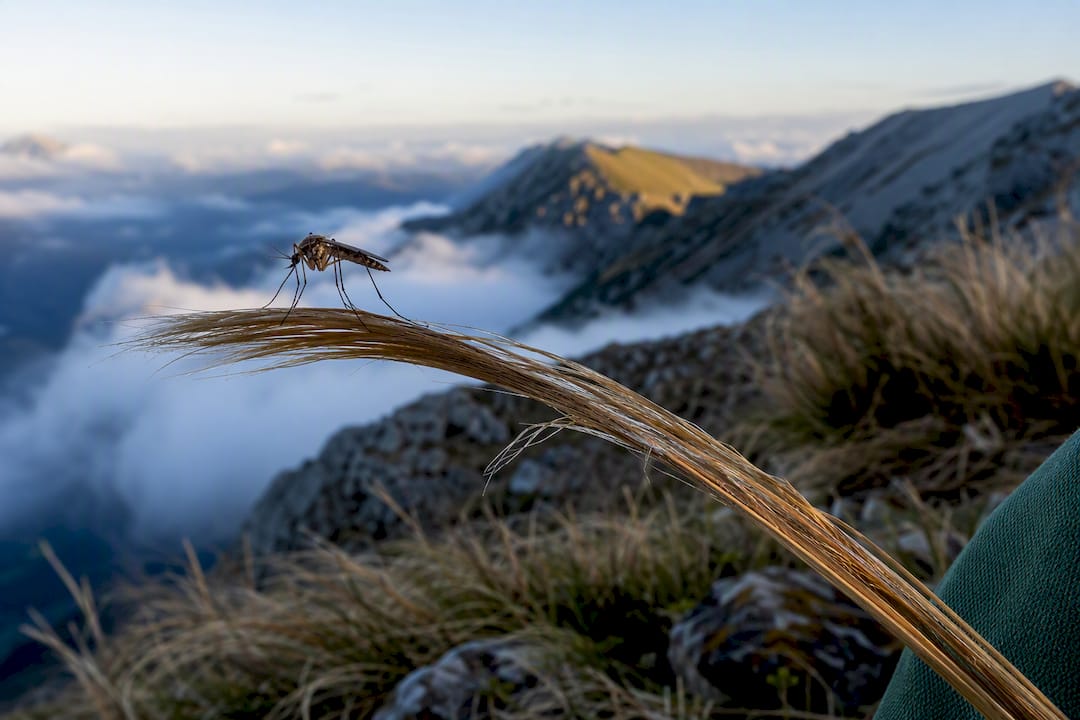
Yes. Some mosquito species reach or persist at surprisingly high elevations, carried by wind, human travel, or warm microclimates that punch above their altitude. Disease risk from those mosquitoes is real but uneven. It depends on species, season, local warming trends, and how well health authorities are watching. If you’re heading into sheltered, water-rich terrain at elevation, especially after rain, pack protection and consider top supplements to prevent altitude sickness for your next adventure.
TL;DR:
- Mosquitoes can be carried at high elevations by wind, human movement, and microclimates, with confirmed populations documented up to 2,500 meters in some regions.
- Elevation alone is unreliable for safety, as microhabitats like heated shelters or stagnant water pockets allow mosquitoes to breed far above expected thresholds.
- Disease transmission at high altitude is rare but has increased in recent years, especially where vectors and conditions for pathogen incubation co-occur above 2,000 meters.
- The best prevention involves wearing layered, chemical-free mesh clothing and choosing exposed, breezy campsites to reduce bite risk during high-elevation trips.
- Surveillance is limited in mountain regions, so travelers should check local health advisories and carry protective gear, but not rely solely on altitude or weather conditions to avoid bites.
Table of Contents
- Mosquitoes at Elevation: What the Field Evidence Actually Shows
- How Mosquitoes Reach and Persist at Higher Elevations
- Can You Actually Get Sick From a Mosquito Bite at Elevation?
- When and Where Hikers Actually Get Bitten at Elevation
- The Protection Plan That Actually Holds Up at Elevation
- Watching Local Conditions and Knowing When to Get Checked
- Why Chemical-Free Barriers Make Sense at Altitude
- Gear Up Before Your Next High-Elevation Trip
- Sources
- FAQ
Mosquitoes at Elevation: What the Field Evidence Actually Shows
Entomologists have stopped assuming altitude is a hard ceiling for mosquitoes. Windborne trapping campaigns using aircraft and elevated nets have pulled mosquitoes out of the sky at heights that also carry other flying insects and, in some cases, pathogens, showing that wind can move mosquitoes far beyond their normal flight range. That single finding reframed how researchers think about “range” for these insects: it isn’t just about where they breed, it’s about where the wind can carry them.
Ground-level surveys back this up with harder numbers. Field studies have documented established malaria and dengue vector populations at elevations once considered too cold, including Anopheles and Aedes detections up to roughly 2,300 to 2,500 meters in some mountain regions, often tied to specific seasons and sheltered microhabitats rather than year-round presence. A separate entomological survey recorded malaria vectors as high as 2,300 meters in eastern Nepal, and Nepali press coverage has tracked mosquitoes appearing near the base of Mount Everest alongside rising dengue reports above 2,400 meters.
A few caveats matter before you assume every high mountain has a resident mosquito population:
- A stray adult caught in an updraft is not the same as a breeding population with larvae in local water.
- Sampling at extreme altitude is sparse and uneven, so absence of data isn’t proof of absence of mosquitoes.
- Most confirmed high-elevation populations cluster in specific microhabitats, not across an entire mountain range.
How Mosquitoes Reach and Persist at Higher Elevations
Three mechanisms explain why a species built for warm lowlands keeps showing up where it shouldn’t survive.
- Wind transport. Strong updrafts and seasonal wind patterns can lift mosquitoes thousands of feet, dropping them far from their breeding grounds. This explains sudden detections in places with no obvious local source, and it’s why a single capture at altitude doesn’t always mean a new resident population.
- Human-mediated spread. Vehicles, cargo, and travelers move mosquito eggs and larvae uphill far faster than the insects could fly on their own, which is how invasive Aedes species have colonized towns and trailheads well above their historical range.
- Thermal refuges. Sun-warmed pools, livestock shelters, and buildings that trap heat create pockets that run several degrees warmer and more humid than the surrounding air. Field reports from Himalayan foothill communities found indoor spaces running about 3 degrees Celsius warmer than ambient temperature, enough to let mosquitoes complete their breeding cycle in a spot that looks, on paper, too cold to support them.
That last point is the one hikers underestimate most. Average elevation temperature tells you almost nothing about whether a specific barn, cattle shed, or stagnant puddle near camp is warm enough to breed mosquitoes. Altitude alone is an unreliable safety metric. What matters is the microclimate right in front of you, not the number on your altimeter.
Can You Actually Get Sick From a Mosquito Bite at Elevation?
The honest answer: it’s rare, but not theoretical, and the risk is climbing in specific regions. Climate-driven warming has been linked to documented dengue and malaria occurrences above 2,000 meters in parts of the Andes, where mosquito vectors have moved into terrain that was historically too cool for sustained transmission. That’s a real shift in range, not a one-off anomaly.
Three conditions have to line up for a bite at elevation to actually cause disease:
- A competent vector species has to be present and biting, not just passing through on the wind.
- The pathogen needs enough warm days in a row to complete its incubation period inside the mosquito, which thermal refuges can provide even when the surrounding air is cold.
- Local healthcare and surveillance systems have to be equipped to catch, test, and report cases. Weak vector control and limited clinical access amplify risk once mosquitoes do establish themselves upslope, according to researchers tracking Andean disease trends.
By the Numbers: Field surveys have recorded malaria vectors as high as roughly 2,300 meters in eastern Nepal, a figure that would have surprised most entomologists a generation ago.
The practical framing here is simple: transmission at elevation is uncommon, but it’s plausible wherever vectors are breeding and local conditions allow the pathogen to complete its cycle. Treat it as a real but narrow risk, not a reason to panic every time something bites you above tree line.
When and Where Hikers Actually Get Bitten at Elevation
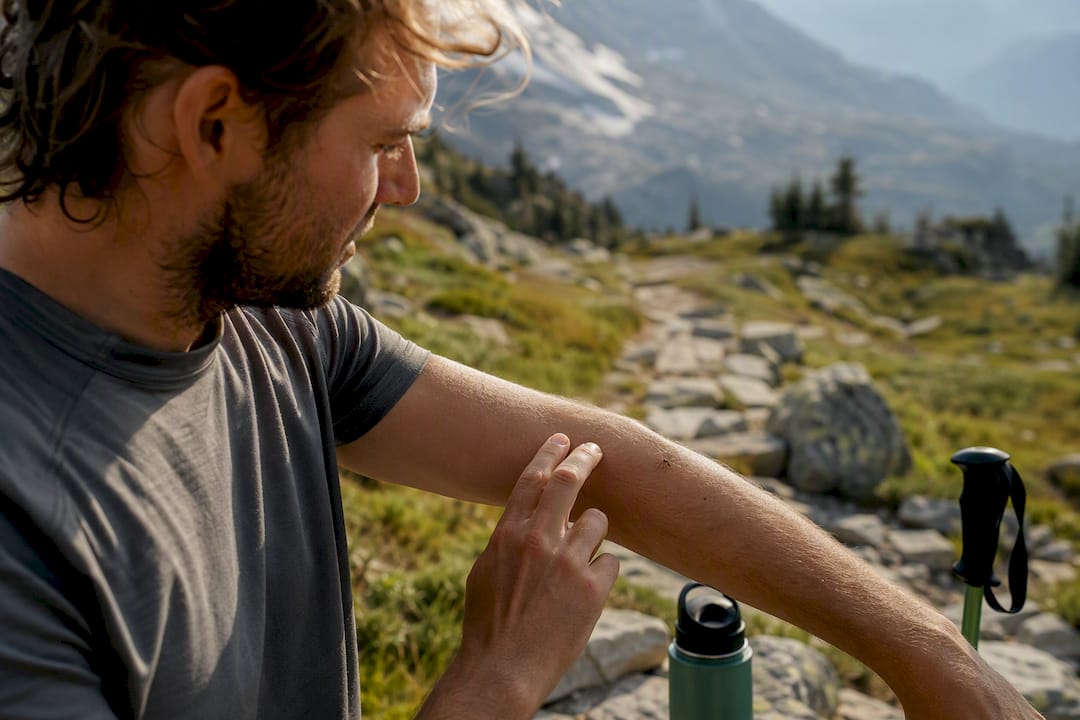
Route choice and camp placement do more to control your exposure than almost anything else you pack. Wet basins, sheltered valleys, and livestock sheds hold warm, humid air and standing water. Ridgelines and windy campsites don’t. Biting activity spikes right after rain, and dawn and dusk in low-wind conditions are consistently the worst windows.
Before you head out, run through this short checklist:
- Check the season. Mosquito activity at elevation tracks warm, wet stretches, not a fixed calendar date.
- Look for local reports on recent rainfall or vector activity if you’re traveling somewhere with known upslope range shifts.
- Pack physical protection rather than relying on hope and repellent alone.
- Choose camp sites on exposed, breezy ground over low, sheltered basins whenever the terrain allows it.
- Watch for fever, rash, or joint pain after your trip if you were bitten somewhere with documented vector activity.
Pro Tip: A camp that feels a little exposed to wind is usually a camp with far fewer mosquitoes. Trade a bit of comfort for a lot fewer bites.
The Protection Plan That Actually Holds Up at Elevation
Skip the instinct to reach for spray first. Field-tested backpacking guidance consistently ranks physical barriers above repellents for real-world effectiveness, and experienced backcountry leaders favor mesh headnets and tightly woven outer layers precisely because they work without reapplication and don’t degrade over a long trip.
Here’s the layered approach worth following, in order:
- Physical barriers first. Headnets, full mesh clothing, and gaiters block bites at the source and never wear off.
- Treated sleep systems second. A permethrin-treated tent liner or bag cover adds a layer for camp hours when you’re least likely to be paying attention.
- Repellents as a supplement, not a foundation. DEET or picaridin fill gaps on exposed skin, particularly hands and face, but they need reapplication and lose effectiveness with sweat.
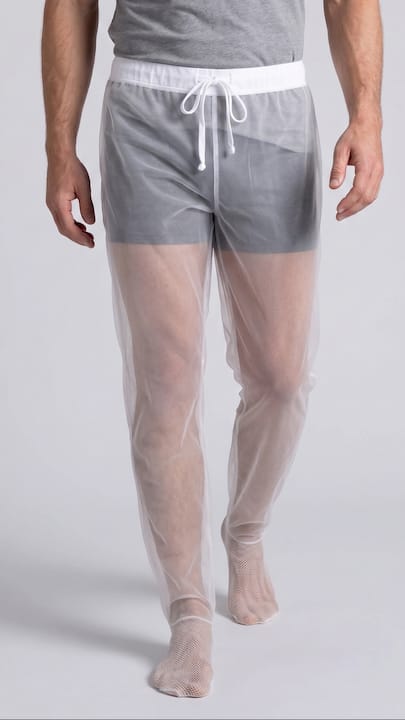
Weave and fit matter more than most people realize. A loose weave lets mosquitoes bite through fabric pressed against skin, and gaps at the cuffs, ankles, and collar are where most bites through clothing actually happen, a detail worth understanding before you buy anything labeled “insect-repellent apparel.” Bugawaygear builds its Bug Away Pants for women and Bug Away Pants for men with ultra-fine mesh and integrated foot coverage specifically to close those gap points, and the Bug Away Jacket for women extends the same barrier to the upper body without any chemical treatment. That chemical-free approach matters at elevation especially, where you may be wearing the same layer for days without a chance to rewash or retreat it.
| Protection method | Best for | Limitation |
|---|---|---|
| Mesh clothing (headnet, pants, jacket) | All-day coverage, multi-day trips | Needs good fit at cuffs and ankles |
| Permethrin-treated gear | Camp and sleep hours | Requires reapplication over time |
| DEET or picaridin repellent | Exposed skin, short exposure | Sweats off, needs reapplication |
Combine layers rather than picking just one. A tightly woven jacket paired with a headnet at dusk beats any single product working alone.
Watching Local Conditions and Knowing When to Get Checked
Surveillance in mountain regions is thin. Many highland zones simply don’t have the entomological monitoring that lowland cities do, so a lack of reported mosquito activity in an area doesn’t mean vectors aren’t there.
Before a trip into elevated terrain with any known disease history, check a few sources:
- Local public-health advisories or regional entomology reports for your destination.
- The WHO’s vector-borne disease fact sheets for broader context on transmission patterns and current guidance.
- If you develop fever, rash, or joint pain after being bitten somewhere with documented vector activity, tell a local health provider where you traveled and ask about testing.
Why Chemical-Free Barriers Make Sense at Altitude
Multi-day trips at elevation strip away the conditions repellents need to work. Sweat, cold, and days without a shower all cut into how well sprays hold up, while a physical barrier keeps performing regardless of weather. That’s the gap Bugawaygear’s mesh clothing line was built to close, paired with layered strategies like treated sleep systems for the hours you’re not moving.
— Thomas
Gear Up Before Your Next High-Elevation Trip
Bugawaygear is the alternative to spraying yourself every few hours at 8,000 feet: one chemical-free mesh layer that keeps working all day, whether you’re sweating uphill or sitting still at camp.
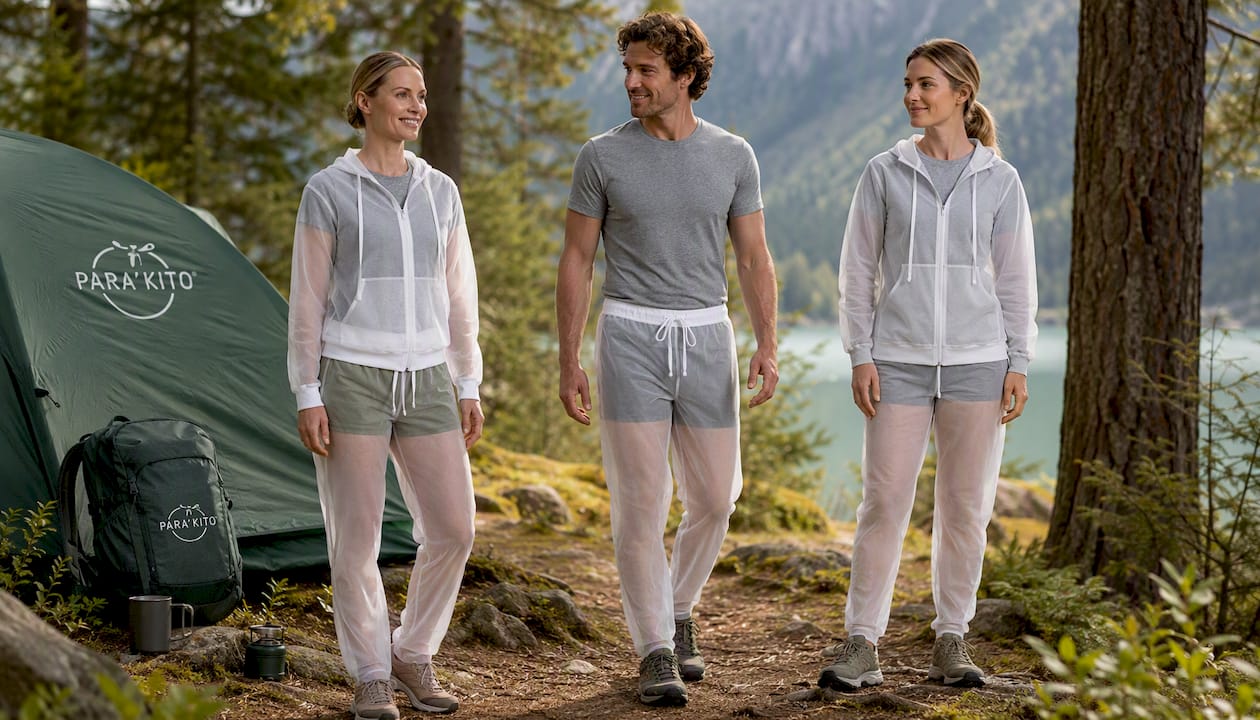
The lineup covers the gaps that matter most on the trail. The Bug Away Pants for women and Bug Away Pants for men use ultra-fine mesh with built-in foot coverage, so ankles and cuffs never become an entry point. The Bug Away Jacket for women extends that same physical barrier to your upper body without a single chemical treatment. Every piece is backed by a 30-day money-back guarantee, and it’s built for the same eco-responsible, chemical-free standard the whole product line follows. If you want to round out a full kit, check the headnets and gaiters or browse the complete lineup to build a setup for your next high-elevation trip.
This article is general information, not a substitute for advice from a qualified doctor. Consult a qualified healthcare professional about your own circumstances before acting on anything here.
Sources
- Mosquitoes swept up in high-altitude winds may spread diseases far and wide
- Diversity, composition, altitude, and seasonality of high-altitude windborne migrating mosquitoes in the Sahel: Implications for disease transmission
- West Nile virus — WHO
FAQ
What elevation is too high for mosquitoes?
There’s no fixed cutoff. Field surveys have recorded established vector populations up to roughly 2,300 to 2,500 meters in some regions, and windborne captures have found mosquitoes even higher, so treat elevation as a factor that lowers risk, not a hard barrier that eliminates it.
Are there mosquitoes at higher elevations?
Yes. Wind transport, human-mediated spread, and warm microclimates like sun-heated pools or livestock shelters all let mosquitoes reach or persist at elevations that seem too cold on average. Documented cases include detections near the base of Mount Everest and established populations in parts of the Andes.
Can mosquitoes live in 100 degree weather?
Mosquitoes tolerate a wide temperature range, but extreme heat can shorten their lifespan and slow breeding unless they have access to shade and standing water. High elevation heat combined with thin, dry air tends to be harder on mosquito survival than moderate heat at low elevation.
What are the worst regions for mosquitoes?
Warm, humid lowland regions with standing water remain the highest-risk zones overall, but specific highland pockets in the Andes, Himalayan foothills, and parts of the Sahel are seeing rising mosquito activity as warming climates push vector ranges upslope. Local surveillance reports are the most reliable way to check current risk in any specific area.
What’s the best way to protect against mosquitoes at elevation?
Physical barriers work more consistently over a multi-day trip than repellents alone, since sweat and cold weaken spray effectiveness. Chemical-free mesh clothing like Bugawaygear’s pants and jackets covers ankles, cuffs, and torso without needing reapplication, and pairing it with a headnet at dusk closes most remaining gaps.