The clothing choice that cuts your tick bite risk the most: long sleeves and long pants in a tight weave, ideally treated with permethrin, paired with a tick check every time you come inside. This combination is not a guess. It’s what public-health data and controlled trials back up.
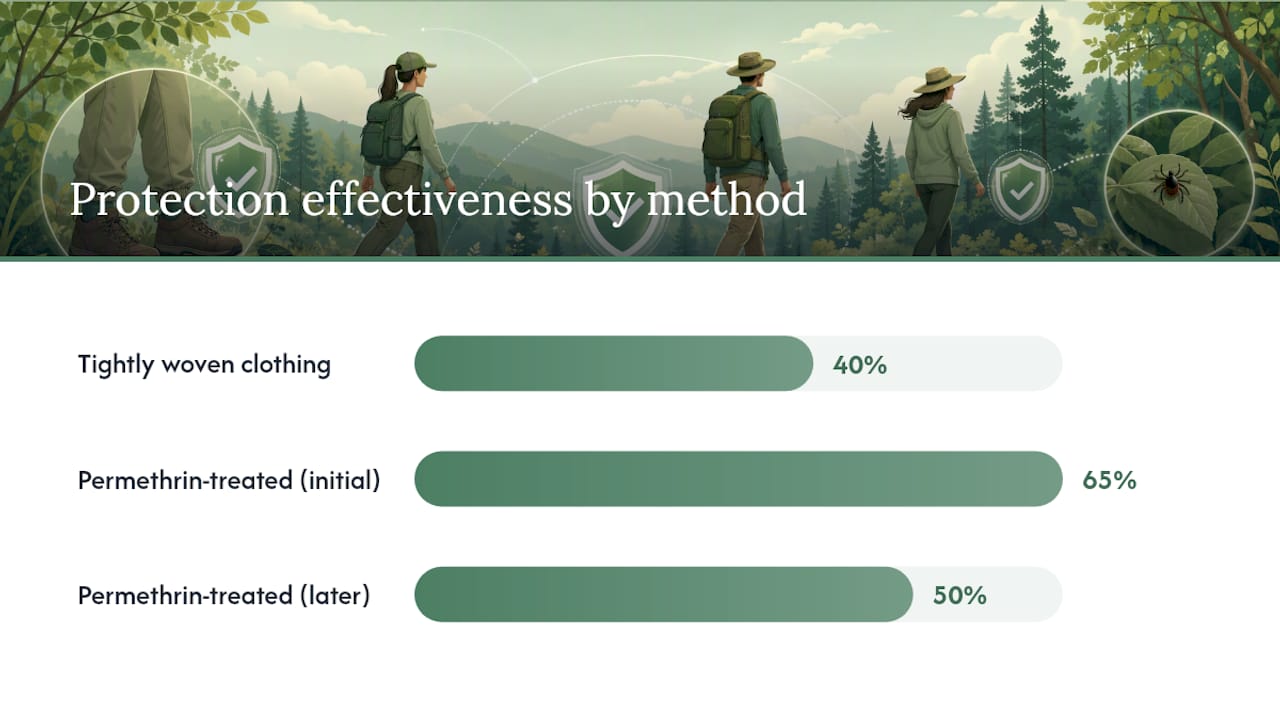
- Protective clothing alone showed roughly 40% effectiveness against Lyme disease in a case-control study, compared to about 20% for repellents used on skin or clothing.
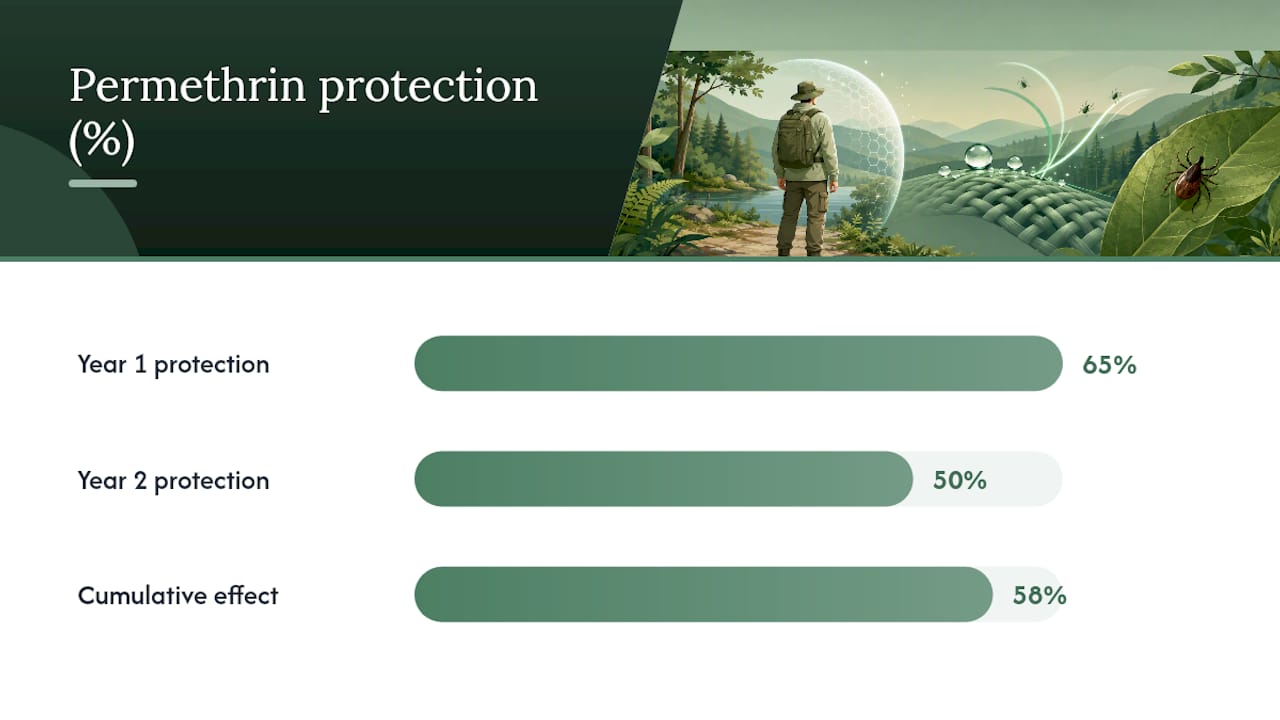
- A two-year trial of factory-treated permethrin clothing found a 58% cumulative protective effect, with 65% protection in year one and 50% in year two.
- The CDC recommends long sleeves, long pants, clothing pre-treated with 0.5% permethrin, EPA-registered repellents on exposed skin, and routine tick checks.
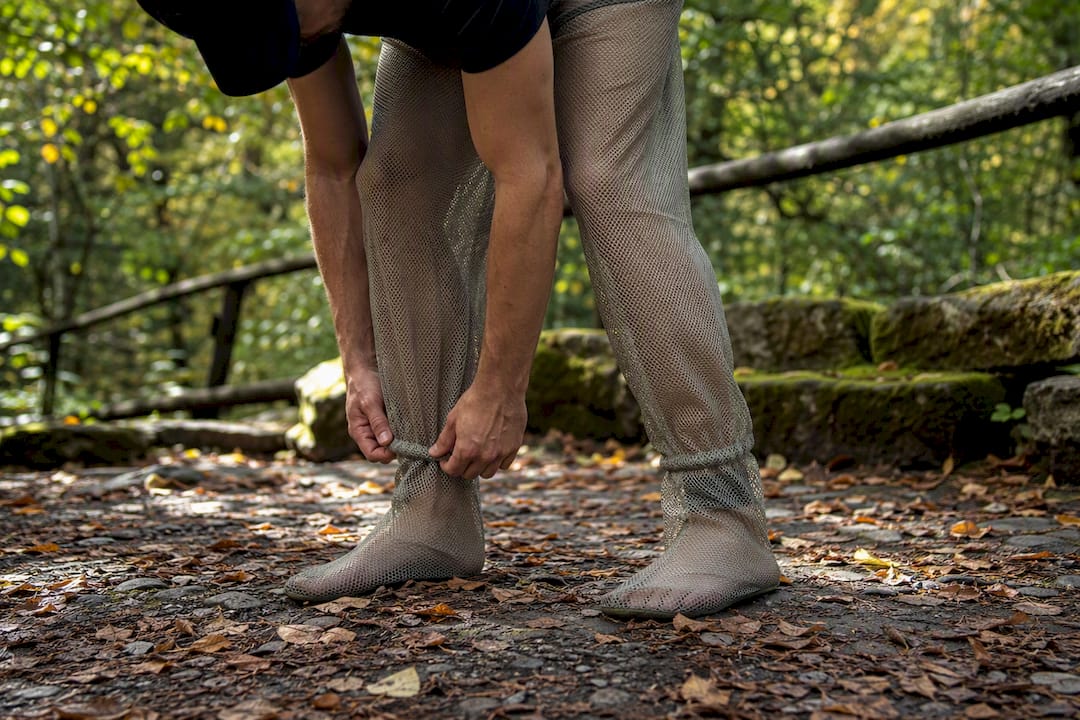
- For readers who’d rather skip the chemistry altogether, chemical-free mesh clothing like Bug Away’s line creates a physical barrier that works alongside (or instead of) permethrin.
None of these steps works in isolation. The clothing lowers your odds. The check catches what got through anyway.
Key Takeaways
Combining tightly woven or permethrin-treated clothing with routine tick checks and correct laundering delivers the most reliable protection against tick bites and Lyme disease.
| Point | Details |
|---|---|
| Dress defensively first | Wear long sleeves and pants in tight weaves; protective clothing alone showed about 40% effectiveness in a case-control study. |
| Consider permethrin treatment | Factory-treated garments showed a 58% cumulative protective effect over two years, fading from 65% to 50%. |
| Dry on high heat | A wash alone won’t kill ticks; dry clothes on high heat for 10 minutes once fully dry. |
| Never skip tick checks | Prompt whole-body checks and fast removal with tweezers cut transmission risk regardless of what you wore. |
| Go chemical-free when it fits | Bug Away’s mesh pants and kids sets offer a physical barrier with a 30-day guarantee for readers avoiding permethrin. |
This article is general information, not a substitute for advice from a qualified doctor. Consult a qualified healthcare professional about your own circumstances before acting on anything here.
Table of Contents
- Lyme Disease Prevention Clothing: What the Research Actually Shows
- How To Dress For Tick Protection Without Overheating
- What Permethrin-Treated Clothing Does and Doesn’t Do
- Laundering and Storage: Keeping Ticks Out of Your House
- When Chemical-Free Mesh Clothing Makes More Sense
- How to Check for Ticks and Remove Them Safely
- Small Habit Changes That Actually Stick
- Where to Get Chemical-Free Tick Protection That You’ll Actually Wear
- Sources
Lyme Disease Prevention Clothing: What the Research Actually Shows
Most people assume tick prevention is mostly about spray. It isn’t. The clothing you put on before you leave the house does more heavy lifting than most outdoor guides let on, and the research backs that up with real numbers instead of vague reassurance.
The strongest evidence comes from a case-control study that compared people who got Lyme disease with people who didn’t, then looked at what protective habits separated the two groups. Wearing protective clothing was associated with about 40% effectiveness against the disease. That’s a meaningful gap, and it flips the common assumption that spray is the primary defense and clothing is an afterthought.
Permethrin-treated clothing adds another layer on top of that baseline. That drop between years one and two matters: it tells you protection isn’t static. Wash cycles, sun exposure, and general wear erode the permethrin over time, which is exactly why manufacturers cap their durability claims at 50 to 70 launderings rather than promising indefinite protection.
By the numbers: Protective clothing alone: ~40% effective. Repellents on skin/clothing: ~20% effective. Permethrin-treated garments over two years: 58% cumulative protection.
The CDC’s guidance reflects this layered thinking rather than pushing a single silver bullet. Its recommendations include:
- Long-sleeved shirts and long pants as a baseline, regardless of fabric treatment.
- Clothing and gear pre-treated with 0.5% permethrin, either factory-applied or done at home.
- EPA-registered repellents (DEET, picaridin, oil of lemon eucalyptus, IR3535, or 2-undecanone) for any skin the clothing doesn’t cover.
- Tick checks performed after every outdoor session, not just after obvious high-risk exposure.
What none of these numbers tell you is that they’re not additive in a simple way. What it does mean is that each measure closes a different gap. Clothing blocks physical access to skin. Permethrin adds a chemical deterrent on contact. Repellent covers the skin clothing can’t reach. Tick checks catch anything that slipped past all three. Skip one layer and you’re relying on the others to do more work than they were tested to do alone.
How To Dress For Tick Protection Without Overheating
The fabric matters as much as the coverage. A loose cotton t-shirt and a tightly woven technical shirt offer wildly different protection even if they cover the same skin, because ticks need to find a gap or work their way through the weave to reach you. Tighter weaves and modern mesh fabrics, the kind reviewed favorably by Popular Mechanics in its rundown of tick-repellent clothing, function as an actual physical barrier rather than just a suggestion of coverage.
Here’s a practical approach for getting dressed before you head out:
- Choose a tight weave or technical mesh over loose cotton or coarsely knit fabric, especially for pants and socks.
- Tuck your shirt into your pants, and your pants into your socks or swap the tuck for gaiters if you find tucking impractical. Bug Away has a step-by-step guide on tucking pants into socks if you want the exact technique.
- Look for elastic wrist and ankle cuffs on jackets and pants. These close the small gaps ticks use to crawl upward toward skin.
- Wear closed-toe shoes and high socks, and consider gaiters for tall grass or brushy trails.
- Choose light colors so you can actually spot a tick before it finds skin.
One honest limitation: nymphal ticks, the poppy-seed-sized juveniles responsible for a large share of Lyme transmission, are small enough to squeeze through some weaves that would stop an adult tick. No fabric is a perfect seal. That’s part of why tick checks stay non-negotiable even when you’re dressed correctly.
Comfort determines whether you’ll actually follow through. The old “tuck pants into socks” advice has notoriously low compliance because it looks and feels awkward, particularly in summer heat. Design-forward clothing with built-in elastic cuffs, integrated foot coverage, or gaiter-style closures solves the same problem without asking you to look like you’re heading into a swamp expedition. If you want to see how design-focused apparel gets used in demanding, uncomfortable environments, WarbeardProject’s breakdown of comfort-oriented deployment clothing is a useful outside reference point.
Pro Tip: Keep a dedicated “tick outfit” (pants, shirt, socks) in a bag by the door. When getting dressed defensively is a 30-second grab instead of a decision, you’re far more likely to actually wear it.
For gardening, breathable mesh over bare arms and ankles handles most of the risk since you’re moving through low brush and mulch beds. For hiking through tall grass, gaiters plus tucked pants matter more because ticks climb from ground level. For camping, treat your sleeping gear and tent footprint the same way you treat clothing, since ticks don’t care whether you’re standing or sitting.
What Permethrin-Treated Clothing Does and Doesn’t Do
Permethrin is a synthetic insecticide, related to compounds found naturally in chrysanthemums, that’s applied to fabric rather than skin. It kills or incapacitates ticks on contact rather than just repelling them, which is a meaningful difference from skin repellents that only make you less appealing.
The effectiveness numbers are strong but not absolute. The two-year trial cited above found 65% protection in the first year, dropping to 50% in the second, for a 58% cumulative effect. That decline is the key thing to plan around: permethrin doesn’t fail overnight, it fades with wash cycles and use.
Manufacturers commonly claim treated garments retain effectiveness for 50 to 70 launderings, though real-world durability depends on how the treatment was applied.
That durability claim depends heavily on how the clothing was treated in the first place.
- Factory-treated (professionally impregnated) garments bind permethrin into the fabric fibers using a process that resists washing far better than a home spray. Consumer Reports notes that professionally treated clothing generally holds its protective level longer than anything treated at home.
- DIY permethrin sprays applied to your own clothes work initially but wash out faster, often needing reapplication after just a handful of launderings.
- Retreatment timing should follow the product label, but as a rule of thumb, if you’re washing treated gear weekly through a long season, expect to retreat well before the 50-wash mark that factory treatments can reach. Bug Away’s guide on permethrin clothing safety covers this in more detail if you’re weighing DIY treatment against buying pre-treated gear.
Safety matters here too, and it’s not optional reading. Permethrin is meant for fabric, never for skin, and the label instructions exist for a reason. Cats are particularly sensitive to permethrin and can experience serious reactions from direct contact with wet, freshly treated clothing, so keep treated garments away from pets until fully dry. Parents treating kids’ clothing at home should follow label directions exactly, treat garments outdoors or in a ventilated space, and let items dry completely before a child wears them.
Laundering and Storage: Keeping Ticks Out of Your House
Here’s something that surprises a lot of people: a normal wash cycle does not reliably kill ticks. They can survive extended time in water, and a wash on its own isn’t enough. What actually works is heat. The CDC recommends drying clothes on high heat for at least 10 minutes once they’re fully dry, since a damp dryer cycle won’t get hot enough to finish the job.
Build a routine around that fact:
- Undress outside or in an entryway, not in the middle of the house, so any tick that hitched a ride doesn’t get a chance to drop off somewhere you won’t find it.
- Put clothes straight into the dryer on high heat for 10 minutes before washing, especially if items are already dry from the hike.
- Run a lint roller over clothing and gear as a quick visual and physical check for anything still attached to fabric.
- Shower within two hours of coming indoors, which both helps you spot ticks on skin and washes off any that haven’t attached yet.
This routine also affects your permethrin-treated gear. Frequent hot drying accelerates fabric breakdown of the treatment, so factory-treated garments will drift toward that 50-wash ceiling faster if you’re drying on high heat every single time. It’s a fair trade for actually killing ticks, but it’s one more reason professional retreatment or replacement schedules matter for anyone using treated clothing through a full tick season.
When Chemical-Free Mesh Clothing Makes More Sense
Not everyone wants permethrin near their skin, their kids, or their pets, and that preference is entirely reasonable given the safety precautions involved. Physical-barrier clothing, like tightly woven or engineered mesh fabric, gives you a chemical-free option that still performs as a real barrier rather than a fashion statement.
This approach tends to fit a few kinds of outdoor people especially well:
- Parents who don’t want insecticide-treated fabric on young children playing in the yard.
- Gardeners who are in and out of brush and mulch beds daily and don’t want to retreat clothing constantly.
- Hikers and campers who prefer a one-time gear purchase over an ongoing treatment routine.
- Anyone with pets at home who wants to skip the permethrin-and-cats safety conversation entirely.
Bug Away builds its clothing around that need: 100% chemical-free mesh material, a 30-day money-back guarantee, and reported testimonials from customers describing zero tick bites while wearing the gear. The line covers different use cases directly. Bug Away Pants for women and Bug Away Pants for men suit hiking and garden work where you need all-day coverage without heat buildup, while the Bug Away Kids Set with jacket and pants is built for the kind of outdoor play where a child isn’t going to remember to tuck anything into anything.
How to Check for Ticks and Remove Them Safely
Clothing reduces exposure. It doesn’t eliminate it. A tick check after every outdoor session is the step that catches whatever got through anyway, and public-health guidance consistently flags it as one of the most underused prevention habits despite being genuinely simple.
- Check the whole body, focusing on the scalp, behind ears, armpits, waistband, backs of knees, and groin, areas ticks favor because they’re warm and hard to see.
- Check kids and pets separately, since they can’t always tell you where something feels off, and pets can carry ticks into the house on their fur even if your clothing worked perfectly.
- Remove an attached tick with fine-tipped tweezers, gripping close to the skin and pulling straight up with steady pressure, no twisting.
- Clean the bite site with soap and water or rubbing alcohol once the tick is out.
- Watch the area for two to four weeks for a rash, especially one that expands or looks like a bull’s-eye, along with fever, fatigue, or joint pain.
- Contact a clinician if you’re not sure how long the tick was attached, if you develop any of those symptoms, or if the bite site doesn’t look right after a few days.
Prompt removal matters more than people assume. The longer a tick stays attached, the higher the transmission risk, so a check that happens the same day you get home is worth far more than one that happens tomorrow.
Small Habit Changes That Actually Stick
The gap between knowing this information and living by it usually comes down to comfort and convenience, not knowledge. Nobody skips a tick check because they don’t believe in it. They skip it because they’re tired, it’s hot, and the gear felt like a hassle in the first place.
Keep a dedicated set of tick-season clothes ready to grab, gaiters included, so getting dressed defensively isn’t a decision you have to make every single time. Pair whatever clothing you choose with an EPA-registered repellent on exposed skin, since no fabric covers everything. Layering these habits, rather than picking one and assuming it’s enough, is what actually moves the odds in your favor. The data backs this up consistently: clothing, repellent, and checks each close a different gap, and skipping any one of them asks the others to do more than they were ever tested to handle.
Where to Get Chemical-Free Tick Protection That You’ll Actually Wear
If you’d rather skip permethrin retreatment schedules and the cats-and-kids precautions altogether, Bug Away gives you a physical barrier that doesn’t fade with every wash cycle, because there’s no chemical treatment to wear off in the first place.

The mesh fabric is designed to block ticks and insects on contact, with no spray, no waiting for garments to dry after treatment, and no need to track how many launderings a piece has left. Every order comes with a 30-day money-back guarantee, and the brand points to testimonials from customers reporting zero tick bites while wearing the gear outdoors. If you want to compare the mesh approach against other treated and non-chemical options side by side, the roundup of clothing alternatives for tick protection walks through the tradeoffs.
Whether you’re gearing up for a season of trail hikes or just want your kids covered for backyard play, check sizing and pick the set that matches your routine: Bug Away Pants for women, Bug Away Pants for men, or the Bug Away Kids Set for jacket-and-pants coverage on the go.
Sources
- PubMed: permethrin-treated clothing trial (Journal of Medical Entomology / related entry)
- Effectiveness of Personal Protective Measures to Prevent Lyme Disease (Emerg Infect Dis, 2008)
- CDC — Preventing Lyme Disease
- Consumer Reports: Is permethrin-treated clothing safe and effective?