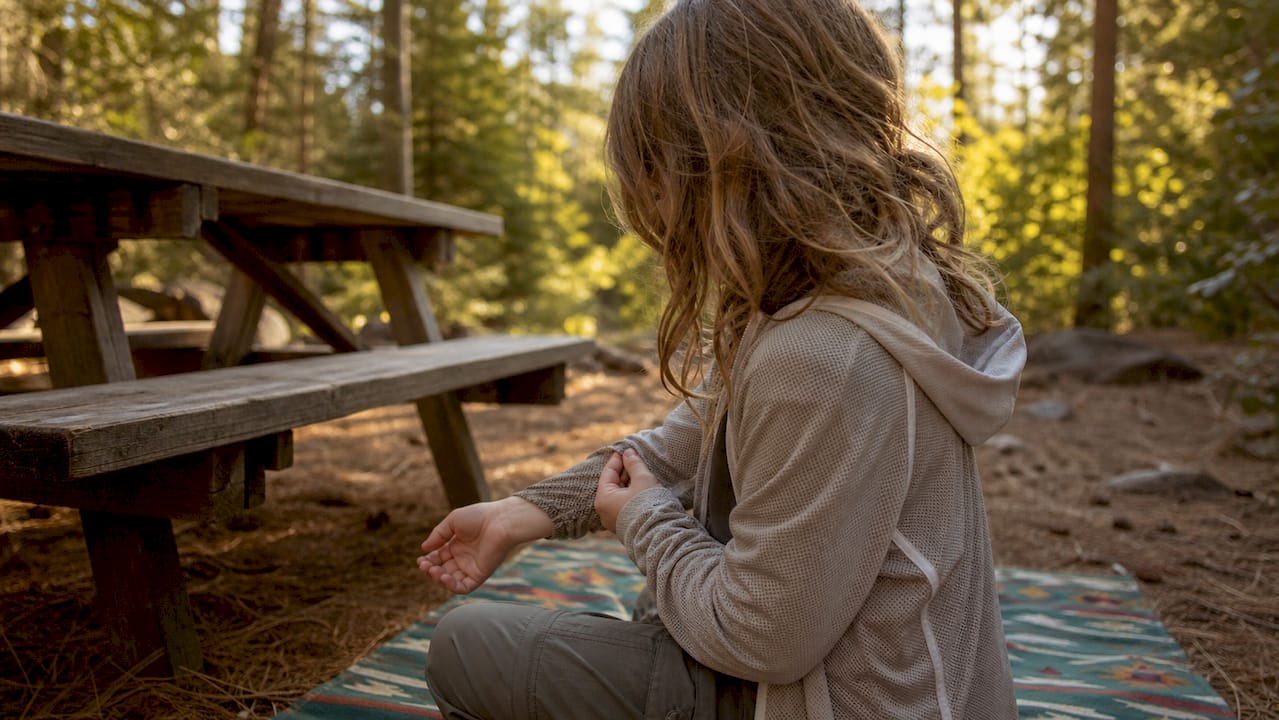
The most reliable kids camping mosquito protection is a layered defense: dress children in physical-barrier clothing first, run an area repellent near your campsite second, and save topical repellent for whatever skin is still exposed. That order matters. A chemical-free mesh layer like Bug Away’s kids set blocks bites before you ever need to touch a bottle of repellent.
Tonight, before you pack the car, do three things:
- Set aside protective clothing (long sleeves, long pants, or a mesh suit) for each child.
- Buy or charge an area repellent device to run near the picnic table or tent.
- Check the age label on any topical repellent. Oil of lemon eucalyptus is not for kids under three, and an adult should always be the one applying it, never the child.
Pro Tip: Permethrin belongs on fabric only. Never spray it directly on skin, and let treated clothing dry completely before a child puts it on.
Key Takeaways
Layering physical-barrier clothing, area repellents, and topical repellent applied only to exposed skin cuts mosquito bites in kids far more reliably than any single method.
| Point | Details |
|---|---|
| Clothing comes first | A mesh or permethrin-treated barrier stops bites without relying on reapplication or age limits. |
| Match the repellent to the age | Oil of lemon eucalyptus is off-limits under age three; adults apply all topical products to children. |
| Area devices need calm air | Heat or fan emitters protect a zone but lose effectiveness in wind above roughly 5 mph. |
| Site selection is free protection | Avoiding standing water and picking breezy, higher ground reduces mosquito pressure before you apply anything. |
| Bug Away covers the clothing layer | The Bug Away Kids Set offers chemical-free mesh protection backed by a 30-day guarantee. |
Table of Contents
- Why layered kids camping mosquito protection beats a single product
- Which topical mosquito repellent for kids is actually safe?
- Permethrin clothing vs. chemical-free mesh: how to choose
- Picking a mosquito-safer campsite
- Packing list and pre-dusk routine for camping with kids
- Why we build mesh clothing as the first layer, not the last resort
- Where to find chemical-free mesh clothing for your next camping trip
- Sources
Why layered kids camping mosquito protection beats a single product
Every mosquito protection method has a weak spot. Spray repellents wash off in sweat and water. Clothing has gaps at the wrists, ankles, and collar. Area devices stop working the moment the wind picks up. Stack three imperfect layers together, though, and the gaps rarely line up. The CDC’s mosquito control guidance recommends exactly this combination: physical barriers, habitat reduction, and EPA-registered repellents used together rather than any single method used alone.
Think of it in three layers:
- Physical barrier — mesh clothing, permethrin-treated garments, long sleeves and pants, or a head net.
- Area control — a heat or fan cartridge emitter, a screened shelter, or simply picking a breezy campsite.
- Topical repellent — an EPA-registered product applied only to skin the clothing doesn’t cover.
Public-health guidance treats topical repellent as the last line of defense, not the first. That’s a shift for a lot of parents who grew up thinking “spray the kids down” was step one.
Which layers matter most depends on the trip. On a day hike, clothing and a pocket-sized repellent usually cover it. Car camping, where you’re stationary at dusk for hours, is where an area device earns its keep. It’s not doing much on a moving trail, but around a picnic table at 7 p.m. it’s the difference between an enjoyable dinner and slapping at ankles all night. Backpacking trips, where you can’t carry much and pass through varied terrain, tend to lean hardest on clothing since it requires no batteries, no reapplication, and no wind cooperation.
Which topical mosquito repellent for kids is actually safe?
DEET, picaridin, and IR3535 are the EPA-registered actives with the strongest safety track record for children, and the American Mosquito Control Association recommends sticking to registered products rather than unproven alternatives. Oil of lemon eucalyptus (OLE) is also EPA-registered and effective, but it carries a hard age cutoff: not for children under three, per CDC Yellow Book guidance.
Picaridin has become a favorite among camping parents for a practical reason: it’s odorless, won’t degrade synthetic gear the way high-concentration DEET can, and matches DEET’s protective duration at the right concentration, according to field comparisons from CampedTooHard.
A few rules for applying any of these to kids:
- An adult applies the repellent, never the child.
- Spray it onto your hands first, then rub it onto exposed skin, avoiding the hands, eyes, and mouth.
- Reapply only per the label’s timing. More frequent application doesn’t mean more protection.
- Skip citronella wristbands and most essential-oil blends. They lack the sustained, EPA-tested effectiveness of registered actives.
Permethrin clothing vs. chemical-free mesh: how to choose
Permethrin-treated clothing works by binding an insecticide to the fabric fibers, and it’s genuinely effective, but the safety rule is absolute: it’s for fabric only, never skin. Let treated garments dry fully after treatment or washing before a child wears them, and wash them separately per the manufacturer’s clothing-safety guidance. If you want a deeper walkthrough of what “fabric-only” actually means in practice, Bug Away’s permethrin safety guide covers wash cycles and reapplication timing.
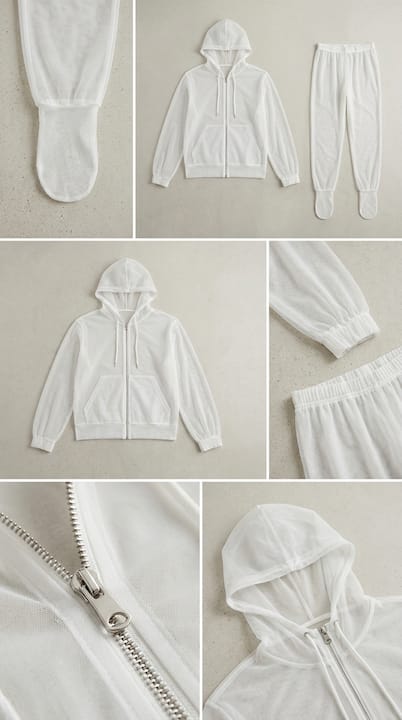
For families who’d rather skip insecticide-treated fabric near their kids altogether, chemical-free mesh clothing does the same job through pure physical barrier. Bug Away’s mesh is built from ultra-fine, breathable weave that mosquitoes and ticks can’t bite through, with zero chemical treatment involved. The kids’ line specifically includes the Bug Away Kids Set (jacket and pants), backed by a 30-day money-back guarantee and testimonials from over 500 customers who reported zero tick bites while wearing it.
Beyond the material choice, basic clothing fit still matters:
- Long sleeves and long pants beat shorts and tank tops, obviously, but the fit matters too. Loose-fitting fabric works better than skin-tight, since mosquitoes can bite through fabric pressed flush against skin.
- Light colors attract fewer mosquitoes than dark colors.
- Tuck pant legs into socks at dusk, when mosquito activity peaks.
Pro Tip: If your child already has a permethrin-treated jacket from a previous trip, you don’t need to replace it, but check the label. Most factory treatments last 70 washes; DIY sprays wear off much sooner.
Picking a mosquito-safer campsite
Site selection happens before you unpack a single bag, and it’s one of the most underused tactics parents skip, as explained in Bugs Patrol Canberra - Professional pest control services. Mosquitoes breed in standing water and rest in dense, low vegetation, so a campsite 50 feet from a marshy pond will always have more pressure than one on a breezy, open ridge.
- Scan the site for standing water. Puddles, clogged drainage, even a bucket left out from the last camper, all count.
- Favor higher, more open ground over low, sheltered hollows. Mosquitoes are weak fliers and struggle in consistent wind.
- Clear the immediate living area of thick underbrush where adult mosquitoes rest during the day.
- Set up your area repellent, if you’re bringing one, in the spot with the least wind interference, since even light breeze cuts its effective range.
Heat or fan cartridge emitters, like the ones Thermacell makes for campsites, create a protected zone around a dining or play area rather than protecting a single moving person. They work well parked at a picnic table for hours, but wind as light as 5 mph can disperse the vapor cloud enough to blunt the effect. On a breezy site, lean harder on clothing and a screened shelter instead. For evening hangouts where bugs are relentless regardless of wind, a screen room or a fine-mesh head net for younger kids covers the gap that clothing and area devices both miss.
Packing list and pre-dusk routine for camping with kids
Pack these before you leave, laid out in the order you’ll actually use them:
- Bug Away kids mesh set or permethrin-treated clothing, one set per child plus a backup.
- Picaridin or age-appropriate DEET lotion for exposed skin.
- Area repellent device with spare cartridges.
- Head nets and a screened shelter or pop-up tent for peak hours.
- A basic first-aid kit with antihistamine cream for bites.
- One spare full outfit per child, since wet or muddy clothes lose their protective fit.
At dusk, when mosquito activity spikes, run this sequence: get kids into protective clothing first, apply topical repellent to any exposed skin, light the area device near wherever you’ll be sitting, then close the tent’s vestibule before bugs follow you in for the night. Store repellents and treated garments zipped away from food and out of small kids’ reach between uses. For a shorter version of this exact routine, Bug Away’s dusk protection checklist is worth bookmarking.
Why we build mesh clothing as the first layer, not the last resort
Most repellent advice treats clothing as an afterthought behind sprays. That’s backward for kids. Active children run, climb, and sweat off topical repellent within an hour, but a well-fitted mesh jacket doesn’t wear off, doesn’t need reapplication, and doesn’t carry an age restriction the way oil of lemon eucalyptus does. Thomas, who has spent years testing outdoor gear against real trail and campsite conditions, built Bug Away’s approach around that gap: prioritize the layer that never fails on its own.
The Backpacking mosquito protection guide walks through how to build a full layered kit around the clothing.
One honest caveat: if your family is heading into a region with heavy tick pressure and dense brush, permethrin-treated outer layers still have a role, especially for gaiters and boots where mesh coverage is harder to fit. Use both where it makes sense. Wash Bug Away garments per the care label, and store them dry to preserve the mesh weave over multiple seasons.
— Thomas
Where to find chemical-free mesh clothing for your next camping trip
If you’ve read this far, you already know the clothing layer does the heaviest lifting of the three, and it’s the one layer that never runs out of battery or washes off in a rainstorm. Bug Away built its entire product line around that fact: lightweight, ultra-fine mesh that physically blocks mosquitoes and ticks without a drop of insecticide, sized for men, women, and kids.

For families, the Bug Away Kids Set (jacket and pants) is the natural starting point, and parents can pair it with the Combo Set for Women or Combo Set for Men so the whole family is covered in the same physical-barrier layer. Every piece ships with a 30-day money-back guarantee, so there’s no risk in trying it before your next trip. If your family also spends time in tick-heavy trail country beyond camping, the hiking protection line covers that use case too. Browse the kids set, pick your size, and get it packed before your next weekend at the campground.
This article is general information, not a substitute for advice from a qualified doctor. Consult a qualified healthcare professional about your own circumstances before acting on anything here.