53 of 88 Fabrics Were Bite Proof: What Hikers Need in an Insectapel Alternative
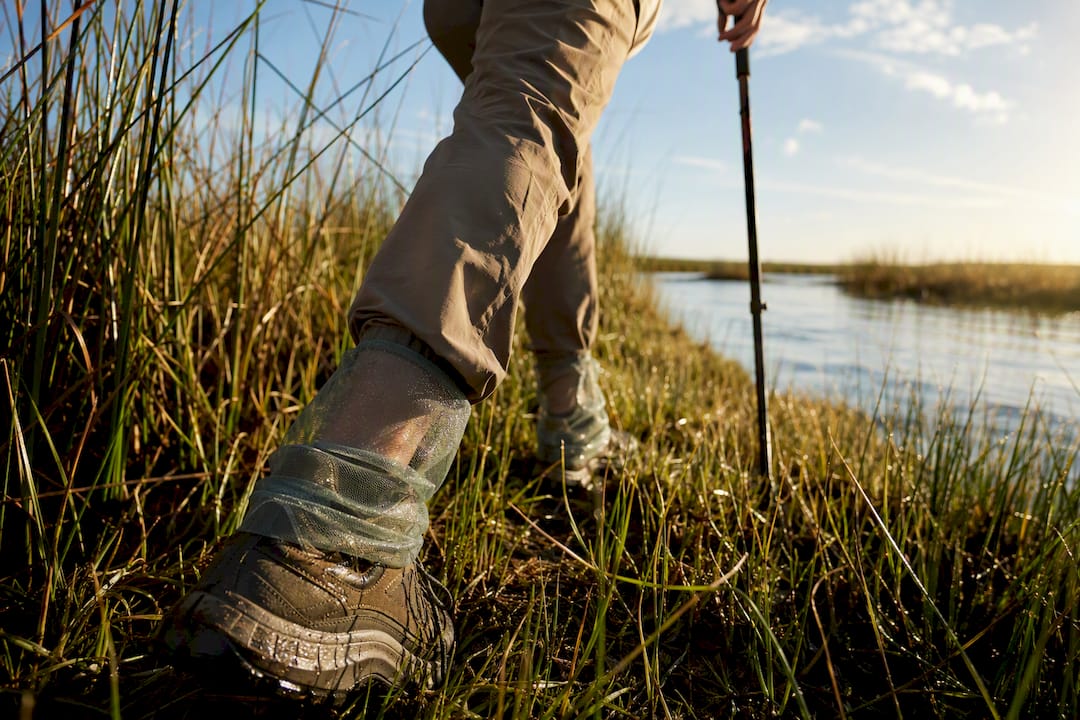
Chemical-free, bite-blocking mesh clothing is the most practical Insectapel alternative for hikers, gardeners, and families who want tick and insect protection without spraying anything on their skin. Bug Away’s mesh garments are built specifically for this job. The catch: not all mesh works. Pore size, knit geometry, and how the fabric fits your body decide whether bugs actually get blocked or just walk right through.
TL;DR:
- Most effective chemical-free insect protection comes from mesh clothing with small pore sizes, proper knit geometry, and a loose fit that prevents insects from probing through gaps.
- Fabrics that are breathable, soft, and fit well are more likely to be worn consistently, which is crucial for long-term bite protection.
- Mesh garments maintain their effectiveness over time if washed gently and carefully, without relying on chemical treatments that degrade with washing.
- While permethrin-treated gear offers strong short-term protection, its efficacy declines with repeated washing, making well-fitted mesh clothing a more consistent and chemical-free alternative for everyday use.
- Proper evaluation involves checking knit specifications, coverage at all gaps, and avoiding compression fit to ensure the fabric structure actually blocks bites.
Table of Contents
- What Makes Chemical-Free Bite-Blocking Clothing Work?
- How Do You Evaluate a Chemical-Free Insect Repellent Alternative?
- Caring for Mesh Clothing So It Keeps Protecting You
- Mesh Clothing vs. Permethrin-Treated Gear: Which Should You Choose?
- What Do Customer Reviews Say About These Alternatives?
- What Do Chemical-Free Mesh Options Typically Cost?
- Are There Allergy Risks With Wearable Mesh Materials?
- Where Else Does Chemical-Free Mesh Clothing Make Sense?
- An Honest Look at What the Evidence Actually Supports
- Bug Away: The Chemical-Free Solution Built for Real Outdoor Use
- Sources
- FAQ
What Makes Chemical-Free Bite-Blocking Clothing Work?
Physical blocking comes down to three things: pore size, fabric thickness, and total structure. A knit fabric doesn’t need any chemical coating to stop a mosquito or tick. It just needs holes small enough, and a structure dense enough, that the insect’s mouthparts can’t reach skin.
The research backs this up in a way that surprised even textile engineers. A screening of 88 different fabrics found that 53 were completely blood-feed-proof, and five of those were both commercially available and comfortable enough to wear, blocking bites from three separate mosquito genera without a drop of insecticide. That’s not a marginal improvement over untreated clothing. That’s close to total protection, achieved through fabric structure alone.

Engineered knits can go even further. Prototype garments built with WholeGarment knitting technology hit 99.5% bite protection in controlled cage bioassays using 200 mosquitoes over a 20 minute exposure window. The same study found these fabrics could meet comfort and flame-retardant standards simultaneously, proof that blocking power and wearability aren’t a trade-off you have to accept.
The number that matters: 53 of 88 fabrics tested were blood-feed-proof, but only 5 were both proof and comfortable enough for daily wear. That gap is exactly why fabric selection matters more than most buyers assume.
Where mesh clothing fails usually comes down to two mistakes:
- The fabric clings to skin, letting insects probe directly through the mesh holes even when the pores themselves are small enough
- The pores are simply too large for the local insect population, letting smaller biters like no-see-ums through even when mosquitoes are blocked
Fit and knit geometry aren’t secondary details. They’re the difference between a garment that works and one that just looks like it should.
How Do You Evaluate a Chemical-Free Insect Repellent Alternative?
Once you know bite-blocking depends on structure, not chemistry, you can actually shop smart instead of guessing. Here’s what to check before you buy any mesh garment marketed as an Insectapel substitute.
- Check the knit specs, not just marketing language. Look for stated pore size, stitch length, or areal weight density (AWD) if the manufacturer publishes it. Vague claims like “tightly woven” without numbers are a red flag.
- Confirm the knit geometry supports blocking, not just breathability. Research on high-resolution mosquito bite-blocking textiles found that increasing thread thickness, adding spandex, or shortening stitch length can turn a non-blocking knit into a blocking one. Thin, stretchy performance mesh built for moisture-wicking isn’t automatically bite-proof.
- Prioritize fit over compression. Avoid anything that hugs the body like a base layer. You want a small air gap between the mesh and your skin, because clinging fabric is one of the most common ways bite-blocking garments fail in practice.
- Run the coverage checklist. Hoods, elastic or drawstring cuffs, ankle closures, and integrated foot or gaiter coverage close the gaps where insects find their way in. A garment that blocks 99% of your torso but leaves bare ankles solves almost nothing in tick country.
- Weigh comfort signals against blocking claims. Breathability and a soft hand-feel usually correlate with fabrics people actually keep wearing all season. A garment that blocks perfectly but gets left in the closet by July protects no one.
Pro Tip: Try the pinch test before you buy. Pinch the fabric away from your skin. If it springs back and clings the moment you release it, that same clinging will happen on the trail, and mosquitoes will find every contact point.
Caring for Mesh Clothing So It Keeps Protecting You
Chemical-free mesh doesn’t lose potency the way treated fabrics do, but it can lose effectiveness if you treat it badly. There’s no insecticide to wash out, which means your main job is protecting the knit structure itself.
- Stick to gentle, low-heat laundering and skip fabric softeners, which coat fibers and can distort pore geometry over time.
- Interestingly, some research on bite-blocking knits found that heat-dry treatment actually helped tighten certain fabrics into a more effective blocking configuration, so check the manufacturer’s specific care instructions rather than defaulting to air-dry out of caution.
- Layer smart: a light base layer, the mesh garment itself, and an optional outer shell in cold or wet conditions gives you blocking power without sacrificing warmth.
- Inspect seams, cuffs, and hood closures every few outings. Small tears near stress points are where insects get through first.
- Retire a garment once stretched-out cuffs or a permanently loose knit stop holding their shape, since a compromised structure won’t spring back on the trail.
- Pair the clothing with basic habits like a full-body tick check after every hike and sticking to trail centers instead of brushing through tall grass.
Mesh Clothing vs. Permethrin-Treated Gear: Which Should You Choose?
Permethrin-treated clothing, often called long-lasting permethrin-impregnated (LLPI) apparel, has real evidence behind it. Field studies show factory-treated garments can substantially reduce tick bites in the short term, and lab data supports meaningful protection against ticks and mosquitoes when the treatment is fresh and properly applied.
The problem is durability. Effectiveness varies with fabric type and tends to decline with repeated washing, and results in the field are less consistent than in a controlled lab. Some garments claim protection through dozens of washes; real-world adherence to care instructions often falls short of that.
Chemical-free mesh sidesteps that problem entirely. There’s no active ingredient to wash out, degrade, or reapply, so performance stays consistent as long as the knit structure holds up. It also means zero pesticide exposure for kids, pets, or the person wearing it every weekend.
Where permethrin still makes sense: certain occupational settings, like forestry or agricultural work in high-tick-density regions, where workers need every layer of protection stacked together. In those cases, some people combine both approaches: chemical-free mesh as the primary barrier, with permethrin-treated gear underneath for extra insurance in extreme-exposure zones.
For everyday hiking, gardening, and family outdoor time, though, a well-fitted chemical-free mesh garment covers the vast majority of use cases without the reapplication cycle or chemical questions that come with treated fabric.
What Do Customer Reviews Say About These Alternatives?
Effectiveness claims mean more when they come from people actually wearing the gear on trail, not just from a lab bioassay. Across chemical-free mesh brands, the recurring theme in customer feedback is consistency: garments that fit snugly against joints but loose everywhere else tend to get the strongest reviews, while baggy or overly stretchy pieces draw complaints about bites at the ankles and wrists.
Customer feedback often highlights reports of zero tick bites while wearing the gear as directed. That’s a real-world signal layered on top of the lab data, not a replacement for it. Reviews consistently point to the same variables the textile research flags: fit at contact points, coverage at cuffs and ankles, and whether the wearer kept a loose enough gap between mesh and skin.
Comparing chemical-free options against each other, the biggest reported differentiator isn’t pore size on a spec sheet. It’s whether the garment stays breathable enough that people actually wear it for a full day outside instead of overheating and shedding a layer that was supposed to be protecting them. A garment with excellent lab-tested pore geometry that nobody wants to keep on all afternoon protects nobody.
The pattern across reviews for chemical-free wearables: satisfaction tracks closely with proper sizing more than any other single factor, which is exactly why sizing guidance matters as much as fabric choice.
What Do Chemical-Free Mesh Options Typically Cost?
Chemical-free mesh clothing sits in a similar price range to quality technical outdoor apparel. You’re paying for engineered knit construction, not a chemical treatment, so the value proposition is different from a can of spray or a bottle of repellent you’ll buy again in a month.
The real cost comparison isn’t garment price against garment price. It’s garment price against the ongoing cost of repellent sprays, reapplication every few hours, and replacing treated clothing once its effectiveness fades. A mesh garment built with proper knit geometry doesn’t lose its blocking ability over a season, so the upfront cost gets spread across years of use rather than a single hiking trip.
Value also shows up in what you’re not buying: no recurring spray bottles, no separate kids’ formula because a chemical repellent isn’t rated for younger skin, and no laundering restrictions tied to preserving a chemical coating. For a family that gardens every weekend and hikes most summer weekends, that adds up faster than it looks on a single receipt.
Current pricing for Bug Away’s mesh clothing lineup is listed on the site, since it varies by size, style, and whether you’re buying a single piece or a combo set.
Are There Allergy Risks With Wearable Mesh Materials?
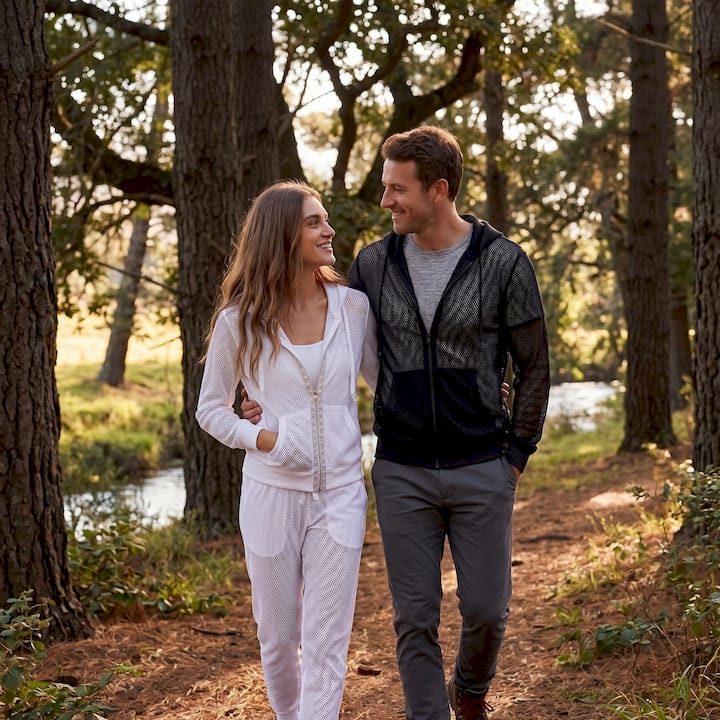
One of the clearest advantages of chemical-free mesh is what it removes from the equation: no insecticide means no risk of the skin reactions or sensitivities some people report with treated clothing or topical repellents. That matters directly for families with young kids, since a fabric-based physical barrier avoids the reapplication and chemical-exposure questions that come with sprays rated by age.
That doesn’t mean every mesh fabric is automatically hypoallergenic. Synthetic knits can still cause irritation in people sensitive to certain fiber blends, especially at friction points like underarms or the inner thigh. Anyone with known fabric sensitivities should check the material composition before buying, the same way they would for any technical apparel.
The bigger safety consideration is heat. Dense mesh built for maximum bite-blocking can trade off some breathability, and in high heat that raises the risk of overheating faster than sweat can evaporate. Choosing a garment with breathability data, not just a blocking claim, protects against both bites and heat stress.
For families layering mesh over sunscreen, check compatibility since some sunscreen formulations can degrade certain synthetic fibers over repeated exposure. Rinsing and laundering according to the manufacturer’s instructions keeps both the skin and the fabric performing as intended.
Where Else Does Chemical-Free Mesh Clothing Make Sense?
Hiking and gardening are the obvious use cases, but the same physical barrier logic applies anywhere ticks or mosquitoes are a concern. Salt marsh and coastal environments bring their own mosquito pressure that differs from inland trail conditions, and gear built for those heavier-exposure settings tends to prioritize tighter cuff and ankle closures.
Backpackers benefit from mesh as part of a layered defense system that doesn’t add the weight or mess of carrying multiple spray bottles across a multi-day trip. Evening yard work or dusk dog walks are another underrated use case. Mosquito activity spikes right at dusk, and a mesh layer thrown on for twenty minutes of evening chores beats digging through a bag for repellent you’ll forget half the time.
Families with young kids at outdoor sports practices, campgrounds, or backyard barbecues get a version of this same benefit: put the garment on once, and there’s no reapplication schedule to track or spray to keep away from little hands. Anglers wading through brush and tall grass near water face some of the highest tick exposure of any outdoor activity, which makes ankle and cuff coverage especially important in that setting.
Even for very small biting insects like no-see-ums, where standard pore sizes sometimes fall short, the same core principle holds: fabric structure, not chemistry, is what separates a garment that works from one that just looks protective.
An Honest Look at What the Evidence Actually Supports
The research on bite-blocking textiles is more convincing than most outdoor gear categories get. That’s a real physical mechanism doing real work.
What the evidence doesn’t support is treating every mesh garment on the market as interchangeable. Fit and knit geometry decide outcomes as much as the base material does, and that’s exactly the standard Bug Away’s garments are built against: chemical-free construction with attention to the fit failures the research keeps flagging. We’d rather a reader independently test a garment’s fit and coverage than take a manufacturer’s word for it, ours included. The 30-day money-back guarantee exists because fit genuinely varies by body type and use case, and no fabric protects anyone if it doesn’t fit right.
The honest limitation: chemical-free mesh isn’t magic armor. It’s engineered fabric that works when the specs are right and fails predictably when they aren’t.
— Thomas
Bug Away: The Chemical-Free Solution Built for Real Outdoor Use
Bug Away turns the textile research above into gear you can actually buy and wear this weekend.
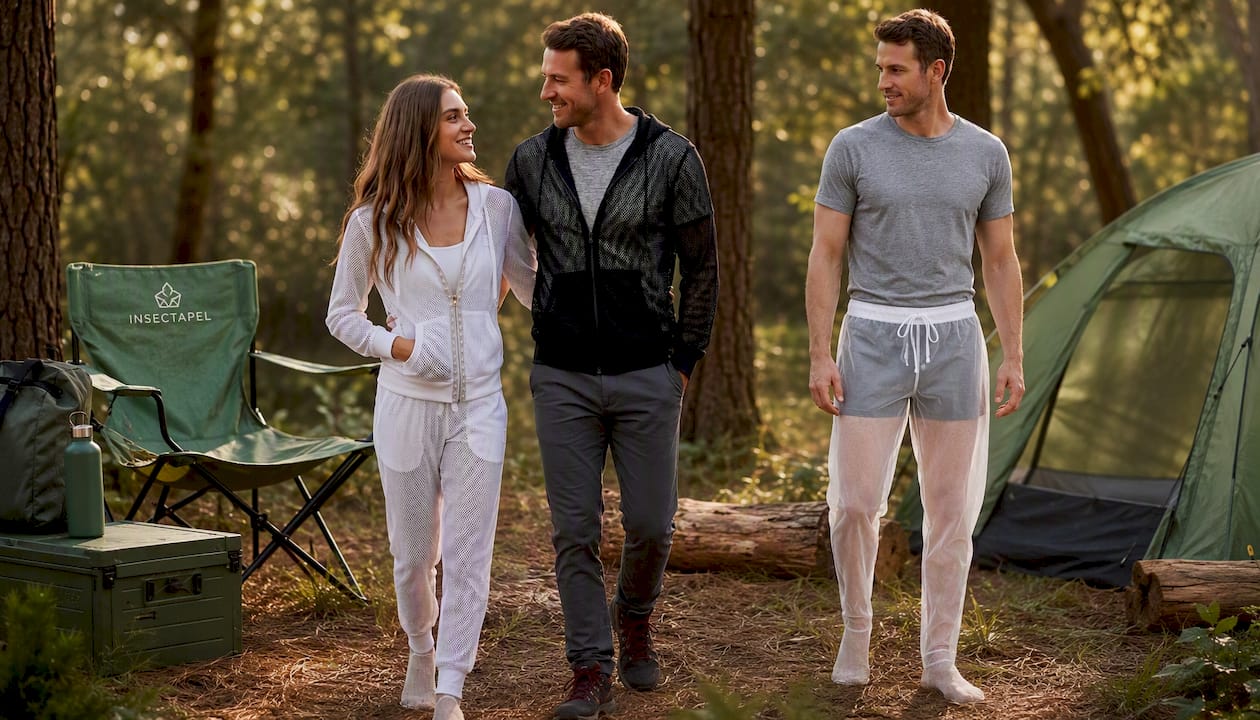
For hikers logging long trail miles, the Bug Away Pants for men pair with a breathable knit built for all-day wear without overheating. Gardeners and anyone spending hours in tall grass or brush get the same coverage logic in the Bug Away Pants for women, sized to avoid the compression fit that lets insects probe through mesh. Families heading into heavier tick territory, or anyone wanting full torso-to-ankle coverage in one purchase, can grab the Bug Away Combo Set for men, a jacket-and-pants pairing built for extended exposure.
Every order carries a 30-day money-back guarantee. Round out your coverage with head nets and gaiters for the gaps clothing alone can’t close. Browse the full lightweight mesh clothing lineup and find your size before your next hike.
Sources
- WholeGarment® Knitting of Insecticide-Free, Comfortable Clothing with Anti-Mosquito Protection
- Toward comfortable mosquito-proof clothing: repellent- and insecticide-free fabrics that block bites across three disease-transmitting mosquito genera
- Computer numerical control knitting of high-resolution mosquito bite blocking textiles
- Randomized and field studies on permethrin-treated clothing effectiveness (CDC-hosted field trial report)
FAQ
What Is the Best Chemical-Free Alternative to Insectapel?
Physically engineered mesh clothing with proper knit geometry and fit is the most effective chemical-free option, since it blocks bites through fabric structure rather than chemicals. Bug Away’s mesh garments are built specifically around this bite-blocking principle rather than repellent chemistry.
Does Chemical-Free Mesh Clothing Actually Block Mosquito Bites?
Yes, when the knit geometry and fit are correct. Lab testing found prototype knit garments achieved 99.5% bite protection in controlled bioassay conditions, and a separate fabric screening confirmed several commercially available fabrics were fully blood-feed-proof.
How Does Mesh Clothing Compare to Permethrin-Treated Gear?
Permethrin-treated clothing can offer strong short-term protection, but effectiveness declines with washing and varies by fabric. Chemical-free mesh avoids that decline entirely since there’s no chemical treatment to wear off, and it eliminates pesticide exposure for kids and pets.
What Should I Check Before Buying Mesh Insect-Blocking Clothing?
Look for stated pore size or knit density, avoid compression-fit garments that cling to skin, and confirm coverage at cuffs, ankles, and hoods. Fit matters as much as the fabric itself, since clinging mesh lets insects probe through even small pores.
Does Bug Away Offer a Guarantee on Its Chemical-Free Clothing?
Yes, Bug Away backs every order with a 30-day money-back guarantee. Current prices for each product line are listed on the Bug Away site.