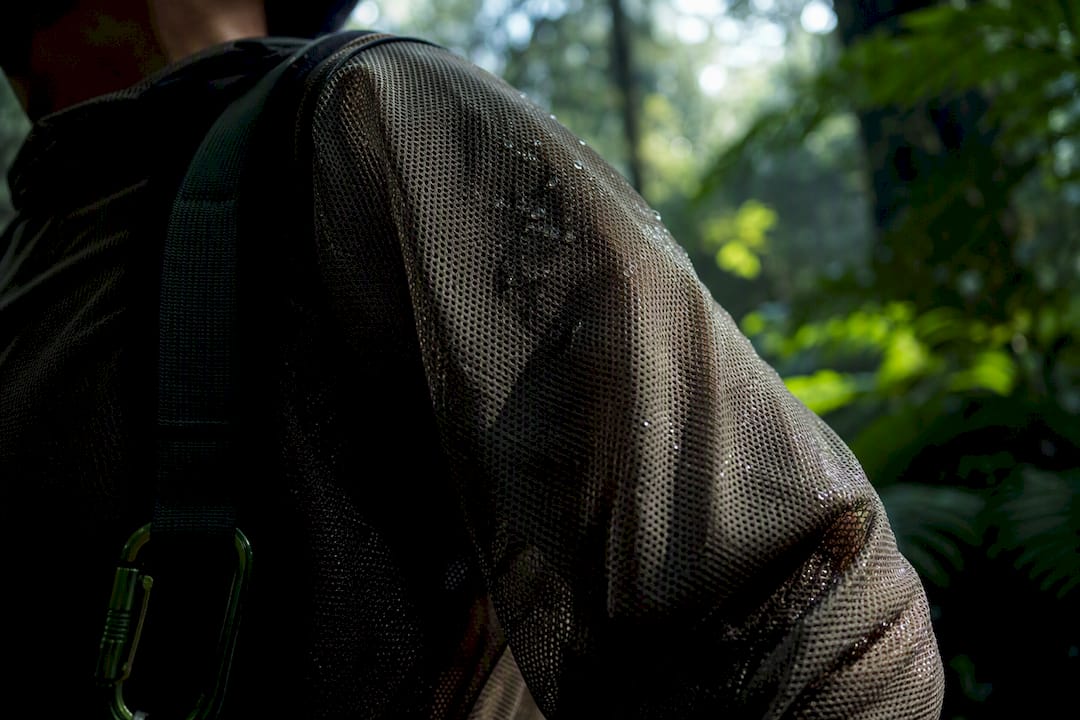
Properly engineered, chemical-free ultra-fine mesh clothing can protect you from ticks and tiny biting insects in humid climates, but only when three things line up: a weave fine enough to block no-see-ums, a fit that seals at the cuffs and ankles, and a care routine that keeps the mesh from stretching. Get those right and you have a physical barrier that works without a single spray. Skip any one of them and you have an expensive mesh jacket with holes big enough for a gnat to walk through.
TL;DR:
- Mesh clothing must have ultra-fine weaves, sealed cuffs, and proper fit to effectively block no-see-ums, midges, and ticks in humid climates.
- Tight mesh weaves reduce airflow, so ventilation zones and moisture-wicking base layers are essential to prevent overheating during high humidity exposure.
- Proper care involves gentle washing without softeners, hang-drying, and inspecting for stretched or torn openings after each use to maintain barrier integrity.
- Light-colored clothing, especially tan or gray, helps reduce insect attraction and makes ticks more visible, but mesh quality remains the primary factor.
- Sealed entry points and careful garment selection are more critical than fabric weight or marketing claims for effective physical insect protection.
Table of Contents
- What Makes Mesh Clothing Work Against Bugs in Humid Air?
- How Do You Choose Mesh Clothing That Holds Up in Humidity?
- What’s the Right Way to Wear Mesh Gear in Humid Conditions?
- How Do You Keep Mesh Clothing Effective in High Humidity?
- Does Clothing Color Actually Attract Bugs in Humid Climates?
- A Straight Answer From Someone Who’s Looked at a Lot of Mesh
- Which Bug Away Set Fits Your Next Outing?
- Where This Guidance Comes From
- Sources
- FAQ
What Makes Mesh Clothing Work Against Bugs in Humid Air?
Chemical-free mesh clothing blocks insects the same way a screen door blocks flies: the openings are simply too small for the bug to fit through. No permethrin, no sprays, no treated fibers. This is a physical barrier, full stop, and it works or fails based on one number most shoppers never think to ask about: pore size.
A mosquito needs an opening of roughly 1.2 millimeters to squeeze through. Midges and no-see-ums are smaller still, which is why “mesh” as a category spans a huge range of actual protection. A loosely woven mesh jacket that feels breezy on a store rack might stop mosquitoes and do nothing against biting midges. Genuinely “ultra-fine” mesh closes that gap, though it comes with a trade-off. Tighter weaves mean less airflow, and less airflow is a real problem once humidity climbs.
Here’s why that trade-off matters more in humid climates than anywhere else:
- Sweat doesn’t evaporate efficiently in high humidity, so your body stays hotter longer in any given fabric.
- A mesh dense enough to block tiny insects needs deliberate ventilation zones, or it turns into a sauna.
- Moisture-wicking base layers become part of the protection system, not just a comfort add-on, because they pull sweat away from skin so the outer mesh can do its job without you overheating.
It’s worth being clear about what this article is not covering: permethrin-treated or insecticide-impregnated clothing. The CDC recommends treating clothing and gear with permethrin as one layer of tick defense, and a peer-reviewed review backs combining treated clothing with topical repellents for strong protection. Both are legitimate strategies. They’re also chemical strategies, and this guide is written for readers who want a physical barrier instead. If you’re weighing that trade-off, our breakdown of permethrin clothing safety covers what the treatment actually involves.
How Do You Choose Mesh Clothing That Holds Up in Humidity?
Buying mesh clothing sight unseen is a gamble. Use this checklist before you order anything.
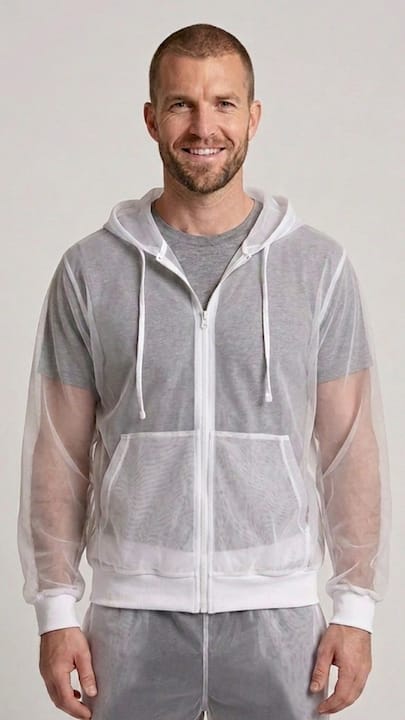
- Check the mesh fineness first. Look for language like “ultra-fine weave” or specific denier counts. If a listing only says “mesh” with no detail on hole size, assume it’s built for mosquitoes, not midges.
- Look for dedicated ventilation zones. Underarm gussets, back panels, and side vents let a tight weave breathe without opening a gap an insect can use.
- Inspect the seals. Elastic cuffs, an attached hood, and ankle closures matter more than the mesh itself, because insects and ticks exploit open edges, not the fabric weave.
- Confirm the fit allows layering. You need enough room to wear a moisture-wicking base layer underneath without the mesh pulling taut and stretching its own openings.
- Check reinforcement at stress points. Seams, zippers, and drawcord anchors take the most abuse. Reinforced stitching there means the garment survives repeated wear in the field.
Weight matters too. A garment built for humid climates should pack down small and dry fast, since you may need to strip it off during the hottest part of a hike and stuff it in a pack while damp. That’s a real, unglamorous consideration, not a marketing detail.
Pro Tip: Try the garment on over a t-shirt before buying and raise your arms overhead. If mesh openings visibly widen or gap at the shoulder or wrist, that stretch will only get worse with wear and washing.
What’s the Right Way to Wear Mesh Gear in Humid Conditions?
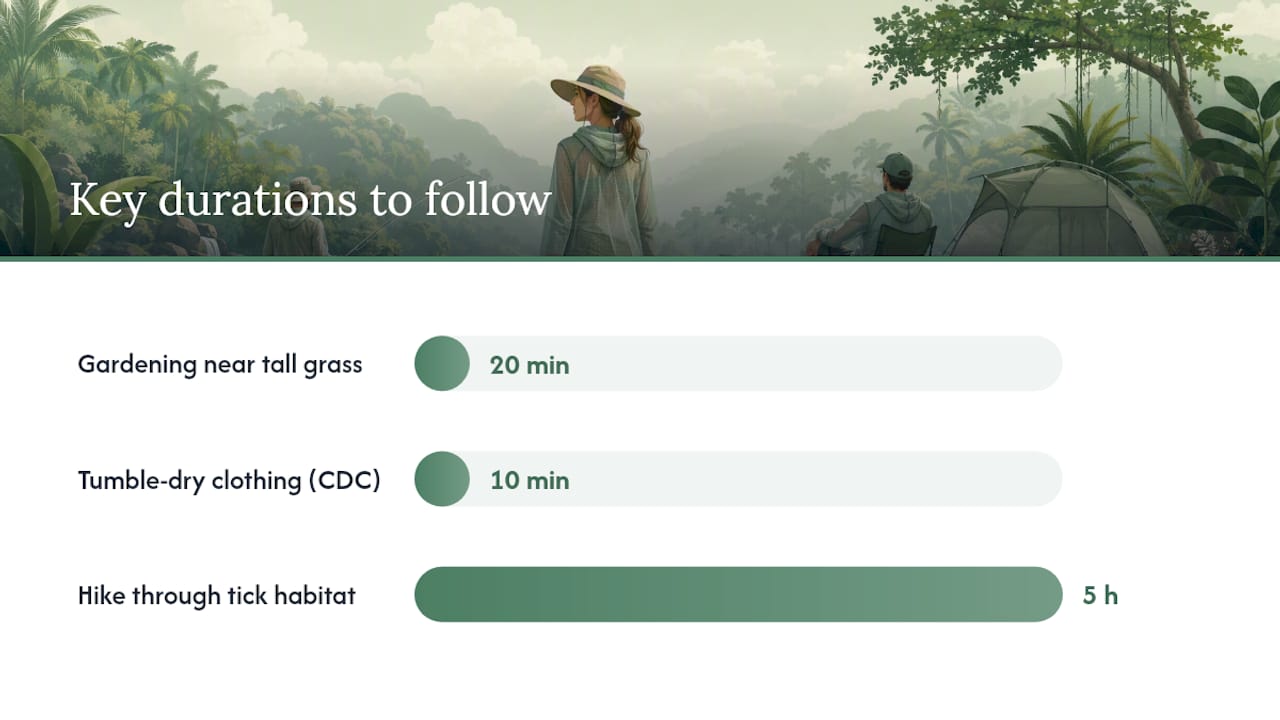
Match the garment to the activity instead of defaulting to a full suit every time. Gardening for twenty minutes near tall grass calls for a mesh jacket and tucked pants. A five-hour hike through tick habitat justifies the full jacket-and-pants combination, sealed at every entry point.
Layering strategy keeps you from overheating while staying covered:
- Wear a quick-dry base layer under the mesh, not cotton, since cotton holds sweat against skin and slows cooling.
- Tuck pants into socks or use gaiters to seal the ankle gap, the single most common entry point for crawling ticks.
- Take ventilation breaks in shade rather than removing the garment entirely near brush or grass.
- Do a full-body tick check immediately after activity, paying attention to hairlines, behind ears, and waistbands.
The CDC advises tossing clothing into a high-heat tumble dryer for ten minutes after coming indoors, which kills any ticks riding along even on dry fabric. That single step matters as much as anything on your body. Pair mesh clothing with habitat awareness, since ticks concentrate in humid, shaded microclimates like leaf litter and low brush, and you’ve built a mechanical defense that doesn’t rely on chemistry at all. For longer trips, our layered backpacking defense guide covers how to combine mesh with rest-area screening.
How Do You Keep Mesh Clothing Effective in High Humidity?
Ultra-fine mesh is only as good as its last wash. Humidity accelerates mildew growth and fabric fatigue, so care routines matter more here than in dry climates.
Wash on a gentle cycle with mild detergent. Skip bleach and fabric softener entirely, since softener residue can coat mesh fibers and effectively glue small openings together, reducing airflow and, ironically, sometimes stretching weak points when the fabric loses flexibility. Hang-dry every time. High-heat tumble drying is the fastest way to warp or permanently stretch openings engineered to keep out midges and no-see-ums, and once those openings widen, they don’t shrink back.
Run a quick inspection after every few wears:
- Hold the garment up to light and look for visibly stretched or torn openings.
- Check seams for loose stitching, especially at the underarms and cuffs.
- Smell-check for mildew if the garment was packed away damp.
- Retire or repair anything with a hole larger than the surrounding weave.
Pro Tip: Store mesh gear loosely folded in a breathable bag, not sealed in plastic. Humid climates trap residual moisture inside sealed storage, and that’s exactly the environment mildew needs to take hold.
Skipping care isn’t just a durability issue. A stretched pore is a doorway, and the whole point of physical-barrier clothing collapses the moment the barrier develops gaps.
Does Clothing Color Actually Attract Bugs in Humid Climates?
Color matters more than most people assume. Mosquitoes and several biting fly species use dark colors, particularly black and navy, to locate targets from a distance, since dark tones stand out against bright, humid-climate foliage and also retain more heat, which makes you a more attractive target as your body temperature rises.
Light colors, especially white, khaki, and pale gray, are the safer default for humid-climate wear. They reflect more heat, which helps with comfort in already-oppressive conditions, and they make it easier to spot a tick before it finds skin, since dark ticks show up clearly against light fabric during a quick visual check.
Bright colors carry their own consideration. Some biting insects are drawn to floral-like colors such as red or bright yellow, so sticking to neutral light tones (tan, light gray, pale green) tends to be the safer middle ground for both insect avoidance and tick visibility.
None of this replaces the mesh itself. Color is a secondary lever, worth pulling when you have the choice, but it won’t compensate for a weave that’s too loose or a cuff that’s left open. Think of it as one more small edge stacked on top of the physical barrier doing the real work.
A Straight Answer From Someone Who’s Looked at a Lot of Mesh
I’ve spent enough time comparing garment specs, CDC guidance, and field-use reports to know where most mesh clothing quietly fails: not the fabric itself, but the seams, cuffs, and hoods people forget to check before buying. That gap between marketing photos and actual pore size is where most disappointment comes from.
Bug Away builds around that gap deliberately, using 100% chemical-free materials with sealed entry points, backed by a 30-day money-back guarantee and feedback from over 500 customers who report zero tick bites while wearing it. For humid-climate outings, that combination of tested fit and honest materials is what actually holds up outdoors.
— Thomas
Which Bug Away Set Fits Your Next Outing?
The lineup is built around the exact checklist above: ultra-fine sealed mesh, ventilation where needed, and zero chemicals. Compared to spraying down before every hike or trusting a “natural” repellent that a 2024 study found often underperforms DEET on skin, a physical barrier you put on once and wear all day is simply less to manage in the field.
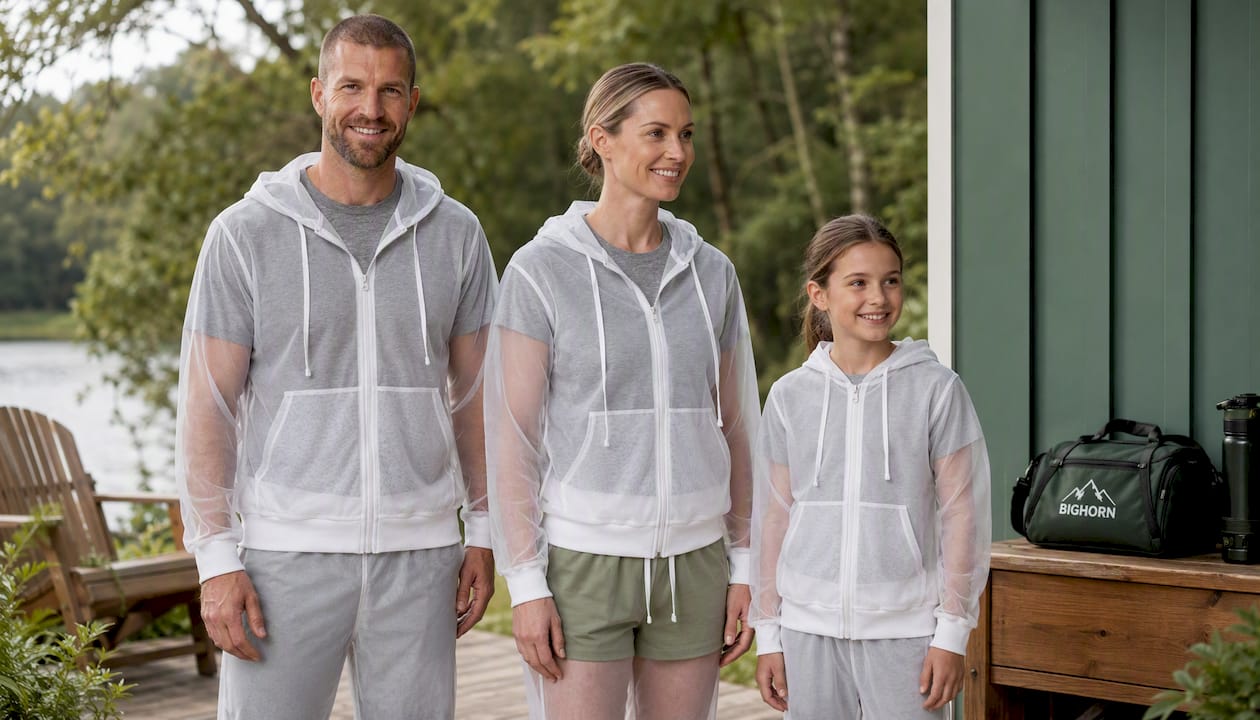
The Bug Away Jacket for men suits long hikes and fishing trips where you need full torso and arm coverage with sealed cuffs. The Bug Away Jacket for women mirrors that same ultra-fine mesh and hood design in a tailored fit, built for gardening sessions and day hikes alike. Families covering kids at campsites or backyard play should look at the Bug Away Kids Set, a jacket-and-pants combo that seals at the wrists and ankles the same way the adult gear does.
Size up slightly if you plan to layer a moisture-wicking base underneath during peak humidity, and check garment measurements against your usual size before ordering. Some products may carry a money-back guarantee, allowing returns if the fit or ventilation isn’t right for the climate. Browse the full lineup and pick your set at Bugawaygear.
Where This Guidance Comes From
- CDC tick prevention guidance, covering clothing strategy and post-activity handling
- Peer-reviewed review on repellents and treated clothing
- 2024 study on natural repellent performance
These sources anchor the safety and efficacy claims here in public health guidance and published research, not marketing copy.
Sources
- Preventing Tick Bites | Ticks | CDC
- The review of insect repellents and treated clothing (WEM 2015 DOI)
- Study on formulated 25(b) exempt repellents (2024)
- How to care for your gathered mesh dress to ensure longevity
FAQ
Can Chemical-Free Mesh Clothing Really Stop Ticks?
Yes, when the mesh is fine enough and every entry point (cuffs, ankles, hood) is sealed. The barrier fails where the garment gaps, not where the fabric itself is woven correctly.
What Mesh Size Blocks No-See-Ums and Midges?
Look for ultra-fine weaves specifically marketed against tiny biting insects, since standard mosquito mesh often has openings too large for midges and no-see-ums to be stopped.
Should I Machine Dry My Bug Protection Clothing?
No. High-heat tumble drying can stretch or warp ultra-fine mesh openings, so hang-drying is the safer choice for preserving the barrier.
Does Bug Away Offer a Guarantee?
Yes. Bugawaygear backs its mesh clothing with a 30-day money-back guarantee, and its current pricing and sizing are listed directly on Bugawaygear.
What Color Clothing Attracts Fewer Bugs in Humid Weather?
Light neutral colors like tan, khaki, and pale gray attract fewer biting insects than dark colors like black or navy, and they also make ticks easier to spot on the fabric.