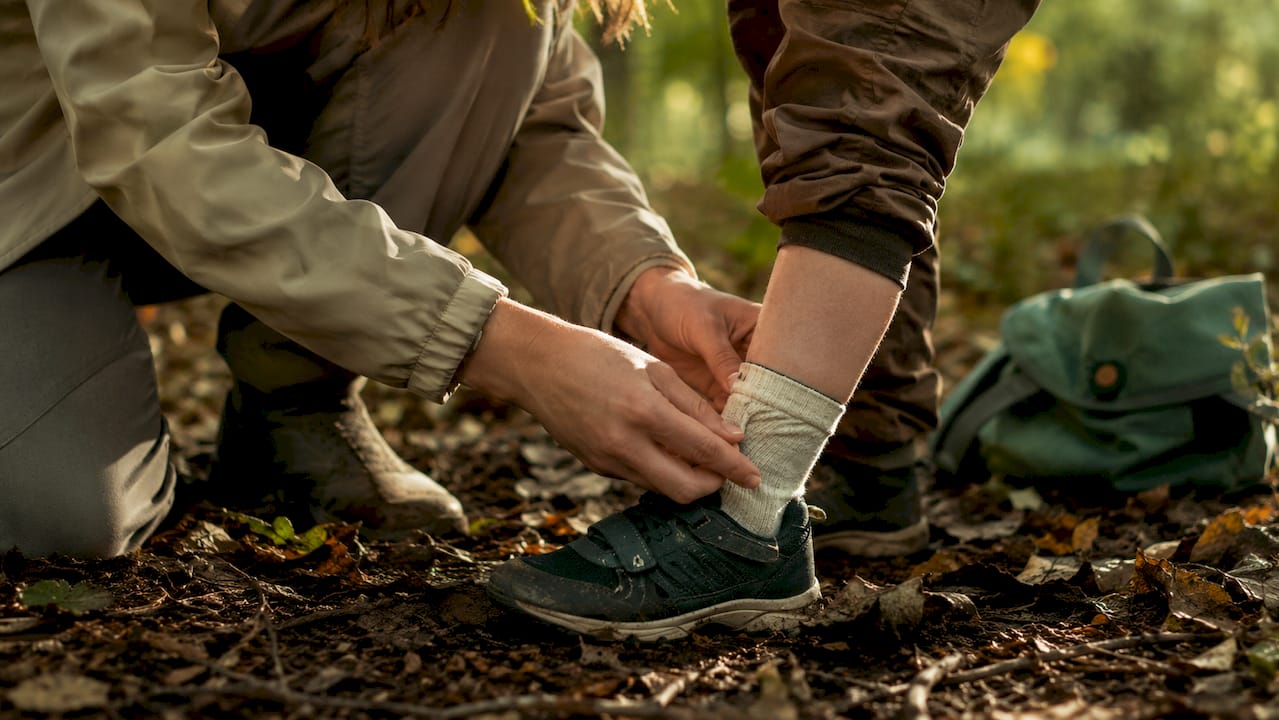
Clothing-first prevention beats every other single measure: cover skin, treat gear when appropriate, and pair it with the daily habits the CDC and Tufts School of Medicine both back. That means long sleeves and pants tucked into socks, a shower within two hours of coming indoors, and a quick full-body check every single session. Add smart site management at the forest school itself, and you’ve closed most of the gaps that let ticks reach skin in the first place.
TL;DR:
- Wearing long sleeves, pants, and socks over pant cuffs significantly reduces skin exposure to ticks when combined with other site management strategies.
- Permethrin-treated clothing offers the longest-lasting physical barrier, while skin repellents like DEET require reapplication every few hours.
- Establishing clear, written policies for trail management, regular checks, and parent communication reinforces overall tick prevention efforts at forest schools.
- Conducting quick, targeted tick checks on children within 90 seconds focuses on common tick attachment sites, reducing the risk of disease transmission.
- Mesh clothing provides a chemical-free, reusable layer of protection that complements routine checks and environmental modifications.
Table of Contents
- Pre-Session Checklist and On-the-Day Protections for Children
- Choosing Clothing and Repellents: Permethrin, DEET, and Chemical-Free Mesh
- Forest School Policies Every Program Should Write Down
- How to Check for Ticks and Remove Them the Right Way
- Landscape Adjustments That Cut Tick Exposure at the Source
- After a Tick Bite: What to Do and When to Call a Doctor
- Where Chemical-Free Mesh Clothing Fits in a School Prevention Plan
- The Part of Tick Prevention Everyone Gets Wrong
- A Chemical-Free Layer That Fits Right Into Forest School Mornings
- Sources
Pre-Session Checklist and On-the-Day Protections for Children
A five-minute prep routine before drop-off prevents most exposure. Run through this before every outdoor session, rain or shine.
- Dress for coverage. Long sleeves, long pants, and socks pulled over pant cuffs. Light colors make it easier to spot a tick before it attaches.
- Apply repellent correctly. For skin, use an EPA-registered repellent appropriate for the child’s age, applied to exposed skin only, never under clothing. For gear and clothing, permethrin-based treatments work differently and go on the fabric, not the skin.
- Pack the basics. Fine-tipped tweezers, a small sealed bag for tick specimens, and a spare set of socks in every outdoor bag.
- Run the pickup routine. A quick supervised check at the collar, waistband, and hairline; bag any visibly dirty clothing separately; schedule a shower for that evening.
Pro Tip: Keep a lint roller by the door. Running it over jackets and pant legs the moment kids come inside catches nymph-stage ticks that are nearly impossible to spot with a visual check alone, a trick the CDC recommends for exactly this reason.
Choosing Clothing and Repellents: Permethrin, DEET, and Chemical-Free Mesh

Permethrin-treated clothing gives you the longest-lasting protection available for garments. The CDC recommends products containing 0.5% permethrin, and factory-treated items typically hold up through many washes before needing retreatment, though home-treated gear fades faster and needs reapplication on a schedule you set yourself.
For skin, DEET and picaridin remain the EPA’s recommended active ingredients, with concentration and age guidance that varies by product label. Oil of lemon eucalyptus (OLE) and its synthesized form PMD work as repellents too, but the EPA advises against OLE products on children under three.
A few tradeoffs matter for forest school settings specifically:
- Permethrin is highly toxic to cats, so treated clothing needs separate storage and laundering at home if pets are around.
- Skin repellents need reapplication every few hours during a full outdoor session, which is hard to manage with a group of young children.
- Chemical-free mesh clothing, like Bug Away’s line, creates a physical barrier instead of a chemical one, which removes the reapplication problem entirely and works well layered under a permethrin-treated jacket for double coverage.
The CDC notes ticks are most active from April through September but can bite in any month warm enough for them to move, so this isn’t a summer-only decision.
Forest School Policies Every Program Should Write Down
Individual habits only go so far without institutional backup. A written policy turns tick prevention from “something we mention” into something staff actually enforce.
- Route trails away from tall grass and brush edges; keep designated play zones on cleared, mowed ground.
- Require a staff-led visual check at pickup, logged on a simple sheet with date and child initials.
- Stock the first-aid kit with fine-tipped tweezers, antiseptic wipes, and small labeled bags for saved specimens.
- Send parents a one-page brief each spring covering the dress code and what to expect if a tick is found, with a signature line acknowledging they’ve read it.
Children ages 5 to 14 face elevated exposure risk simply because of how much time they spend moving through brush and leaf litter, which is exactly the population most forest schools serve.
How to Check for Ticks and Remove Them the Right Way
A tick check takes about ninety seconds once staff know where to look: hairline, behind ears, underarms, waistband, and behind the knees are the spots ticks favor most.
- Have the child stand still while you scan the listed areas under good light.
- If you find an attached tick, grasp it with fine-tipped tweezers as close to the skin as possible.
- Pull upward with steady, even pressure. Don’t twist or squeeze the body.
- Clean the bite site and your hands with rubbing alcohol or soap and water.
- Save the tick in a sealed bag if you want it identified, and note the date.
The CDC is explicit that squeezing or twisting raises the risk of leaving mouthparts embedded, and if that happens anyway, don’t dig for them. Clean the site and watch it instead.
Pro Tip: For toddlers who squirm during checks, turn it into a game rather than an inspection. Techniques from sensory-friendly regulation activities work surprisingly well here, since a calm child holds still far longer than one who feels examined.
Landscape Adjustments That Cut Tick Exposure at the Source
Where kids play matters as much as what they wear. Ticks don’t thrive in open, dry, sunny ground. They cluster in leaf litter and the shaded edge between lawn and woods.
- Clear leaf litter and brush from the perimeter of any fixed play area at least once a season.
- Lay a three-foot wood-chip or gravel barrier between wooded edges and cleared play zones; the Connecticut Agricultural Experiment Station found this kind of barrier measurably reduces tick migration into maintained space.
- Site swings, tables, and gathering spots away from wooded edges and tall grass, not against them.
- If tick density stays high despite these steps, targeted pesticide application by a licensed applicator is worth considering, though it treats the immediate area rather than the surrounding woods the kids will still explore.
Coordinate this work with landowners or volunteer groups each spring, before the season’s activity picks up.
After a Tick Bite: What to Do and When to Call a Doctor
Most tick bites don’t lead to illness, but the response in the first 48 hours affects that odds.
- Remove the tick immediately using the steps above, and note the date and estimated attachment time.
- If the tick was engorged and likely attached for 36 to 48 hours or longer, Tufts researchers note a clinician may consider a single dose of doxycycline as prophylaxis, a decision that belongs to a healthcare provider, not a parent’s judgment call.
- Watch the site and the child’s overall health for 30 days for a rash, fever, joint pain, or fatigue.
- Notify parents the same day with specifics: where on the body, roughly how long attached, and what symptoms to watch for.
Where Chemical-Free Mesh Clothing Fits in a School Prevention Plan
Mesh clothing works as a layer, not a replacement for the routines above. It complements permethrin and skin repellents rather than substituting for showers, checks, or site management.
- Kids’ sets cover arms, legs, and torso in one washable piece, cutting down the “gap” spots at wrists and ankles.
- Layer it under a lightweight jacket on cooler days without losing breathability.
- Launder normally; no retreatment schedule to track, unlike permethrin gear.
- Store separately from treated items if your program also uses chemical repellents, to avoid confusing which garments carry what.
Programs still need the checks, the showers, and the trail routing. Mesh removes one variable: whether skin stayed covered.
The Part of Tick Prevention Everyone Gets Wrong
Most tick prevention advice treats clothing and repellents as the whole answer. They’re not even half of it. The evidence keeps pointing to the same overlooked culprit, which is that the routine breaks down at pickup, not at drop-off. A child dressed perfectly in the morning who skips the evening shower and check has erased most of that advantage, because showering within two hours is what catches the ticks that never fully attached.
The conventional wisdom oversells repellent chemistry and undersells habit. DEET concentration debates matter less than whether staff actually run a 90-second check every single day, rain or shine, tired or not. That’s a staffing and culture problem, not a product problem.
If you’re prioritizing one thing, prioritize consistency over intensity. A mediocre check done every day beats a thorough one done twice a month. Chemical-free mesh helps here specifically because it removes a decision point. There’s no reapplication schedule to forget, no “did we treat this jacket yet” conversation slowing down a Monday morning drop-off.
— Thomas
A Chemical-Free Layer That Fits Right Into Forest School Mornings
There is an alternative to spray-and-hope repellent routines for forest school programs: no reapplying midway through a session, no chemical exposure to track or explain to parents, just a physical barrier a child puts on once and keeps on.

The Bug Away Kids Set pairs a mesh jacket and pants built for a full day outdoors, sized for the exact age range forest schools serve. For staff who need their own coverage, the Combo Set for Women and Combo Set for Men cover the same ground in adult sizing. Every set machine washes normally with no retreatment required, and Bugawaygear backs every order with a 30-day money-back guarantee. Browse the full product line and outfit your program’s morning routine before the next outdoor session.
This article is general information, not a substitute for advice from a qualified doctor. Consult a qualified healthcare professional about your own circumstances before acting on anything here.
Sources
- Preventing Tick Bites | Ticks | CDC
- Tips for Protecting Kids From Ticks This Summer | Tufts School of Medicine
- Insect repellents | EPA