
Breathable, chemical-free mesh garments exist, and when you wear and seal them correctly, they’re a genuinely effective way to cut down tick contact during farm work, gardening, and long days outdoors. This isn’t a spray substitute or a marketing promise. It’s a physical barrier that works the same way a screen door works: the mesh weave is too fine for a tick to cross, so it stays on the outside of your clothes instead of finding skin.
Three things matter more than the brand name on the tag:
- Wear full-coverage mesh pants or a combo set with integrated ankle coverage, not just a treated shirt
- Tuck and seal every interface (waist, cuffs, ankles) so there’s no gap for a tick to climb through
- Add gaiters or built-in foot coverage, since most ticks board at ground level, not from overhead branches
A case-control study found that consistent use of protective clothing was effective at reducing Lyme disease risk. That number isn’t a ceiling. It’s what happened even when people wore protective clothing imperfectly. Sealed properly, mesh barrier clothing performs better than that baseline suggests.
Key Takeaways
Chemical-free mesh clothing reduces tick contact most effectively when worn as a sealed system, not as a single garment.
| Point | Details |
|---|---|
| Coverage beats brand | Full mesh coverage with sealed ankles matters more than which mesh product you choose. |
| Seal every interface | Tuck shirt into pants, pants into socks, and check seals hourly during active work. |
| Focus on lower legs | Most ticks quest at ground level, so ankle and shin coverage carries the most weight. |
| Dry heat kills hitchhikers | Tumble-dry on high heat for 10 minutes after fieldwork to eliminate ticks on clothing. |
| Bug Away covers the system | Bug Away’s pants, jackets, combo sets, and kids set provide sealed, chemical-free mesh coverage for farm work, gardening, and family outdoor time. |
Table of Contents
- What Makes Farm Work Tick Clothing Actually Stop Ticks
- How to Layer Mesh Barrier Garments for Fieldwork and Gardening
- What to Look For in Chemical-Free Tick-Blocking Farm Gear
- Caring for Mesh Garments So They Keep Working
- What Actually Moves the Needle on Tick Protection
- Which Bug Away Set Fits Your Farm Work
- Frequently Asked Questions
- Sources
What Makes Farm Work Tick Clothing Actually Stop Ticks
Ticks don’t jump, fly, or drop from trees the way people assume. They “quest,” climbing to the tip of a blade of grass or a low branch and waiting with their front legs extended, ready to grab onto whatever brushes past. That’s why nearly every tick encounter starts at or below knee height, which is exactly the zone farm work and gardening put you in for hours at a time.
Mesh barrier clothing works on a simple mechanical principle: if the weave is fine enough and the seams are sealed, a tick physically cannot get from the fabric surface to your skin. No chemical needs to touch it, repel it, or kill it. It just can’t get through. The 2008 case-control study on personal protective measures backs this up with real outcome data, not lab modeling, though it’s worth noting the study measured general protective-clothing habits rather than one specific fabric or brand. The takeaway holds regardless: covering skin consistently changes your risk.
A few practical points follow from tick behavior itself:
- Light-colored fabric matters. Ticks are dark and easy to spot against pale mesh, which is why health authorities recommend light colors specifically for visual detection before a tick reaches skin.
- Sealing beats fabric quality. A premium mesh with a gap at the ankle protects you less than a basic mesh that’s fully tucked and cinched.
- Lower-leg coverage is the highest-leverage decision you’ll make, since that’s where the vast majority of questing ticks make contact.
The fabric matters, but the system around it, tucking, sealing, and where you focus coverage, is what actually determines whether ticks reach skin.
How to Layer Mesh Barrier Garments for Fieldwork and Gardening
Treat mesh as a system, not a single garment. Here’s the layering order that holds up over a full workday:
- Start with mesh as your base layer. Long-sleeve mesh top and mesh leggings go against or near skin, creating the actual barrier.
- Add an abrasion-resistant outer layer if you’re doing heavy brush or equipment work. This protects the mesh from snags and tears, which matters because a torn mesh garment stops being a barrier at the tear.
- Tuck your shirt into your pants, then tuck your pants into your socks or boots, following the closed-barrier approach public health guidance recommends for keeping ticks visible and outside your clothing.
- Seal cuffs with elastic bands or gaiters. Textile research on anti-tick garment design points to snug, sealed interfaces at the ankle as one of the highest-impact features for stopping questing ticks, more so than the fabric weight itself.
- Check your ankle and waist seals roughly every hour during active fieldwork, since bending, kneeling, and reaching all work seals loose over time.
- Inspect, remove, and dry your gear as soon as the job’s done. Don’t wait until evening.
If you’re doing full-day fieldwork or planting season with multiple shifts, keep a second set on hand. A step-by-step guide to tucking pants into socks covers the exact technique if you’ve never sealed this interface before.
Pro Tip: Do your ankle and cuff seal check right after you kneel or crouch for extended weeding or fence work. That’s when seals loosen most, and it’s the easiest moment to forget.
What to Look For in Chemical-Free Tick-Blocking Farm Gear
Not all mesh clothing for outdoor work is built the same, and the differences show up exactly where they matter most: coverage, fit, and how well the garment holds up to real farm conditions.
Coverage first. Look for integrated ankle seals or foot coverage rather than a pant hem you have to manage yourself. Cuff seals at the wrist matter for gardening and brush clearing. Jacket length should extend past the waistband so there’s no gap when you bend or reach overhead.
Fit and mobility come next. A garment that’s too loose defeats the sealing strategy; one that’s too tight limits the bending, lifting, and kneeling farm work demands. Articulated knees and shoulders help here, letting the fabric move with you instead of pulling the seal open at the waist or ankle.
Fabric details separate good mesh from mediocre mesh. You want an ultra-fine weave tight enough to block a tick while still breathing well in summer heat, plus enough structural durability that it survives contact with fencing, brambles, and tool handles without immediate tearing.
Care and durability round out the checklist:
- Machine washability without special detergents
- Ability to patch small tears rather than replace the whole garment
- Elastic cuffs that hold tension after repeated washing
Bug Away’s pants, jackets, and combo sets are built around this exact checklist: ultra-fine breathable mesh, integrated foot and ankle coverage, and construction meant to survive repeated washing rather than one season.
Caring for Mesh Garments So They Keep Working
Chemical-free clothing has one big advantage: nothing wears off. A pesticide-treated garment loses effectiveness after enough washes. A mechanical barrier doesn’t, as long as the weave and seals stay intact.
After fieldwork, the CDC recommends tumble-drying clothes on high heat for 10 minutes to kill any hitchhiking ticks, and washing in hot water first if the clothing is visibly dirty or you’re not drying it right away. This one habit matters more than most people realize.
A few maintenance basics extend the life of your gear:
- Avoid pairing mesh with rough outer layers that snag and tear the weave
- Patch small holes as soon as you spot them, before they widen
- Replace elastic cuffs once they stop holding tension against skin or fabric
Pro Tip: Keep a small sewing patch kit near your laundry area. A five-minute repair right after wash day beats discovering a hole mid-task next week.
Chemical-free mesh is also the better call for anyone sensitive to pesticides or treating kids’ clothing, since there’s no skin-contact chemical to begin with. That said, mesh alone may not be enough in extremely dense brush or tall grass; pair it with good boots, body checks, and awareness of high-tick-activity zones.
What Actually Moves the Needle on Tick Protection
Most tick-prevention advice focuses on the wrong variable. People fixate on fabric brand or mesh count, when the real determinant is whether the garment gets sealed correctly and worn consistently. A mediocre mesh pant that’s tucked, cinched, and checked hourly beats premium gear worn loose with gaps at the ankle.
The conventional wisdom also undersells maintenance. Plenty of guides tell you to buy protective clothing and stop there, as if the garment does the work on its own. It doesn’t. A torn seam or a stretched-out cuff turns a barrier garment into regular clothing. The CDC’s laundering guidance exists because the system includes what happens after you take the clothes off, not just what happens while you’re wearing them.
If you’re prioritizing one thing first, make it lower-leg coverage. That’s where questing ticks make contact, and it’s the easiest place for people to under-invest, treating it as an afterthought instead of the front line it actually is.
Which Bug Away Set Fits Your Farm Work
If you’re layering mesh under work gear for a single task, the Bug Away Pants — Men or Bug Away Pants — Women work as a standalone bottom layer with integrated ankle coverage built in, no gaiters needed.
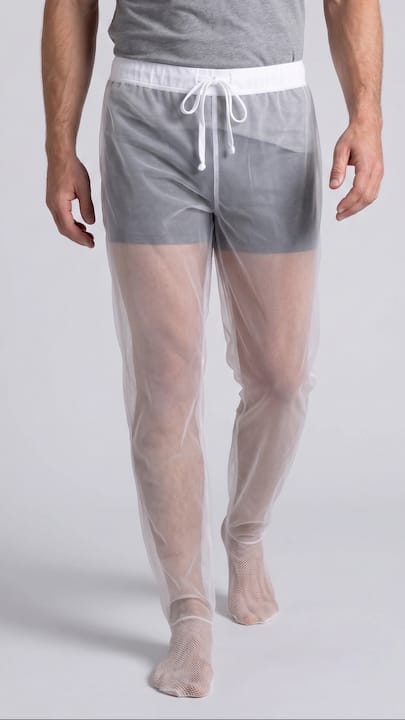
For a full day in the field, weeding, fencing, animal chores, the Bug Away Combo Set Men — Jacket + Pants gives you sealed coverage top to bottom without assembling separate pieces. Women’s jacket buyers looking for the same head-to-ankle system should check the Bug Away Jacket — Women, pairable with the women’s pants above. Men working jacket-only conditions can start with the Bug Away Jacket — Men.
Got kids helping with chores or playing near the garden edge? The Bug Away Kids Set - Jacket + Pants gives them the same sealed mesh system scaled to fit, without a single pesticide near their skin.
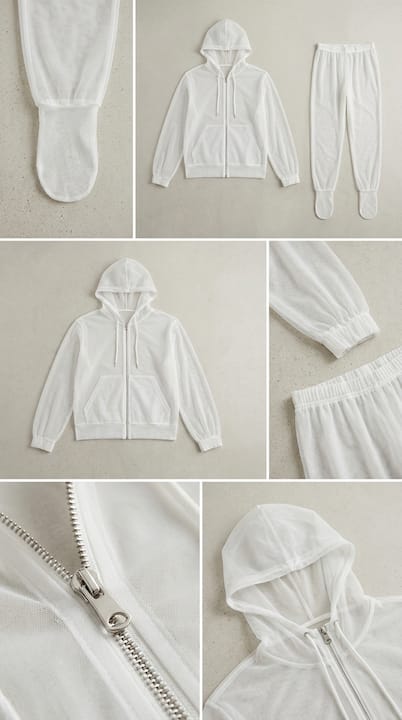
Sizing runs true to normal clothing measurements, but if you’re between sizes for farm work, size up slightly to preserve mobility for bending and kneeling. Browse the full lineup at Bug Away’s shop and pick the set that matches your actual workday, not just the one that looks right on a hanger.
Frequently Asked Questions
Does mesh clothing actually stop ticks, or does it just make them harder to see? Fine mesh weave creates a physical gap ticks can’t cross, so it blocks them mechanically. The light color is a separate benefit that helps you spot any tick riding on the outside before it finds a seam or gap.
Can I wear mesh tick clothing over regular clothes instead of as a base layer? Yes. Wearing mesh as an outer layer over regular clothes still creates the barrier, and it can be easier to seal quickly before fieldwork. Just make sure the ankle and cuff seals still cinch snugly against your boots and gloves.
How is this different from permethrin-treated farm workwear? Permethrin-treated clothing relies on an insecticide bonded to the fabric that needs reapplication over time. Chemical-free mesh clothing uses a physical weave with no pesticide involved, which matters for families, gardeners, and anyone avoiding skin-contact chemicals. Readers weighing that tradeoff can check permethrin clothing safety details for more context.
Do I still need to do tick checks if I’m wearing sealed mesh clothing? Yes. Mesh clothing reduces contact significantly, but no single measure eliminates risk entirely. Pair it with a daily body check, especially around the hairline, waistband, and behind the knees, for complete coverage.
Sources
- Effectiveness of Personal Protective Measures to Prevent Lyme Disease
- Preventing tick bites
- Tick prevention - CDC
- Design and testing of anti-tick textile bands and protective trousers (2025)