Chemical-free, fine-mesh clothing that fully covers arms and legs is the most reliable non-chemical way for older adults to guard against tick bites. It works as a plain physical barrier: if a tick cannot reach skin, it cannot bite. Bug Away makes mesh pants, jackets, and combo sets built around that principle, without sprays or treated fibers.
TL;DR:
- Tight, dense mesh fabric is essential to prevent ticks from crawling through, and coverage should include long sleeves, pants, and sealed closures.
- Dressing routines must include tucking pant legs into socks, closing all garment cuffs, and wearing light-colored clothing for easier tick detection.
- Washing clothing in cold water alone does not kill ticks; a 10-minute high-heat dryer cycle is necessary to ensure ticks are eliminated from gear.
- Lightweight, non-restrictive designs with easy-to-use closures improve compliance and comfort, especially for seniors with limited dexterity.
- Chemical-free mesh clothing like Bug Away offers a no-chemical, full-coverage barrier, reducing skin reactions and easing integration into daily outdoor routines.
Table of Contents
- What Makes Elderly Tick Protection Clothing Actually Work?
- How Should You Wear and Care for Tick-Protection Clothing?
- What Safety and Comfort Factors Matter Most for Seniors?
- How Do Bug Away’s Chemical-Free Mesh Products Fit This Approach?
- Why a Chemical-Free Approach Makes Sense for Older Adults
- Where to Find Bug Away’s Full-Coverage Tick Gear
- Sources
- FAQ
What Makes Elderly Tick Protection Clothing Actually Work?
Not all “protective” clothing is protective. The fabric has to be tight enough to stop a tick, which is smaller than a sesame seed at some life stages, from crawling through the weave. A loosely knit shirt or a mesh with wide gaps offers almost no advantage over regular clothes. True tick-blocking mesh uses a fine, dense weave that still lets air through, so you get the barrier without turning a walk into a sauna session.
Coverage matters as much as fabric density. Long sleeves and long pants that reach the ankle, paired with closures that seal off gaps at the wrist, waist, and cuff, are the baseline for minimizing exposed skin, which the EPA lists as a primary defense against tick bites. A gap at the ankle or a shirt that rides up when reaching overhead defeats the purpose.
For older adults specifically, ease of dressing changes the equation entirely. A garment that requires wrestling with a stuck zipper or bending deep to pull on tight pant legs will get worn once and then abandoned in a drawer.
Look for:
- Pull-on or wide-opening designs that don’t require deep bending or twisting
- Large zipper pulls that are easy to grip for arthritic hands
- Elastic waistbands instead of buttons or belts
- Lightweight, breathable mesh rated for summer wear, since tick activity peaks exactly when it’s hottest
- Light colors like tan or pale gray, which make it far easier to spot a dark tick against the fabric during a check
Pro Tip: Buy one size up from your usual fit if you plan to layer mesh over a thin base layer on cooler mornings. A snug fit defeats the ease-of-dressing benefit and makes tuck-in techniques harder to execute.
How Should You Wear and Care for Tick-Protection Clothing?
Getting dressed correctly matters more than which brand you choose. A basic routine closes the gaps ticks use to reach skin, and a short after-outing habit handles anything that made it onto the fabric.
Before heading out:
- Tuck pant legs into socks or boots to seal off the ankle gap.
- Close all cuffs and collar closures, even if it feels like overkill on a warm day.
- Choose light-colored clothing so a crawling tick stands out against the fabric.
- Layer mesh over a thin breathable base only on cool days. In peak summer heat, skip the extra layer entirely and rely on the mesh alone.
After coming inside, the routine that actually matters is short and specific. Do a visual tick check right away, focusing on the scalp, behind the ears, underarms, and waistband. Shower within about two hours if practical. Then put the outdoor clothing straight into the dryer.
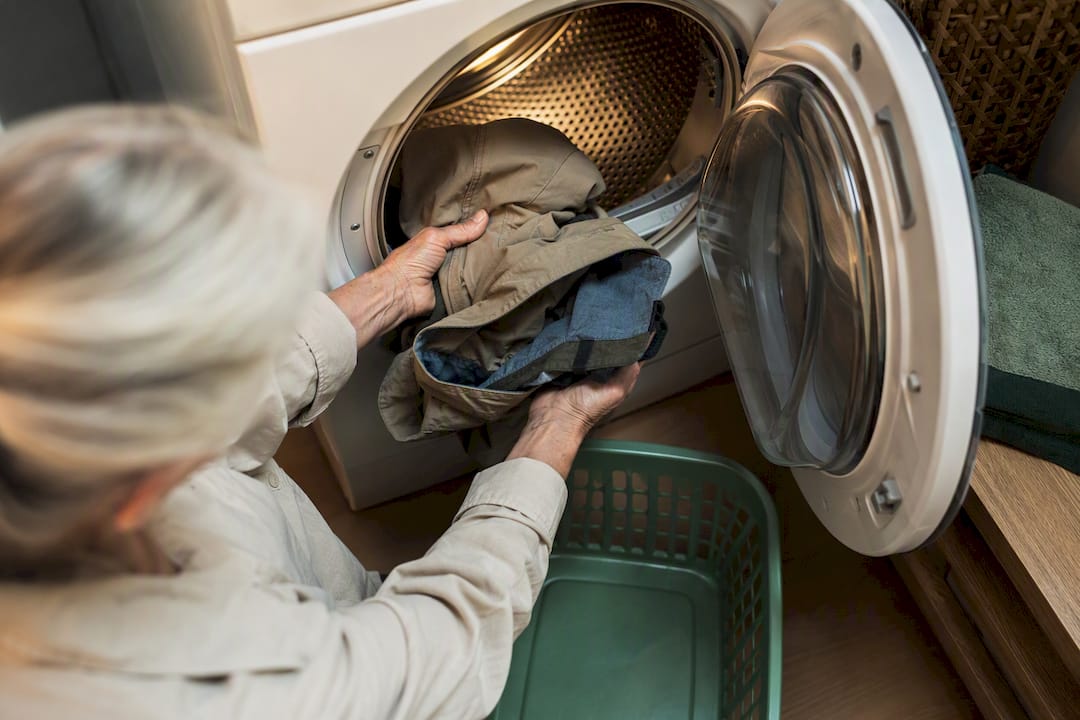
A 10-minute run on high heat in a clothes dryer is enough to kill ticks that hitched a ride on your clothing. Cold washing alone does not reliably kill them, so the dryer step is not optional if you want the routine to work. Run the dryer before washing, not after, since a wash cycle alone can leave ticks alive on wet fabric. For the mesh itself, skip fabric softener, which can clog the weave, and wash in cold water to avoid shrinkage.
Caregivers can help most by doing the check together rather than after the fact, which is essential to prevent incidents as detailed in this fall prevention safety guide. Look at spots the wearer can’t easily see, and ask about any new itching or a bump that feels different from an ordinary insect bite.
What Safety and Comfort Factors Matter Most for Seniors?
Protection that nobody wants to wear twice isn’t protection at all. Heat tolerance drops with age for a lot of people, so the smartest move is scheduling outdoor time for early morning or early evening, when temperatures are lower and tick activity is often just as high.
Fit deserves real attention too. Compression bands at the ankle or waist can restrict circulation for anyone dealing with swelling, varicose veins, or poor peripheral blood flow. A non-compressive, roomy mesh fit protects just as well as a tight one and won’t leave marks or discomfort after a few hours outside.
A few other things worth checking before you buy or wear:
- Closures suited to limited dexterity: large pulls, magnetic snaps, or hook-and-loop instead of small buttons
- Seams and tags positioned away from sensitive areas, since thinning, more reactive skin bruises and irritates more easily with age
- Soft, tagless interiors if skin sensitivity or conditions like eczema are a factor
- A conversation with a doctor before extended outdoor exposure for anyone who is immunocompromised, on blood thinners, or managing a chronic condition that affects healing from bites
None of this is complicated, but skipping it is exactly how good intentions turn into clothing that sits unused in a closet.
How Do Bug Away’s Chemical-Free Mesh Products Fit This Approach?
Bug Away builds its line around the same principles covered above: full coverage, a fine mesh that physically blocks ticks, and closures that don’t punish anyone with arthritis or limited mobility.
- The Bug Away Pants for men and Bug Away Pants for women both offer ankle-length coverage designed to pair with the tuck-and-seal technique described earlier, cutting off the gap where ticks most often climb aboard.
- The Bug Away Kids Set, a jacket and pants combo, is worth mentioning for caregivers managing outings that include grandchildren, since the same fine-mesh, chemical-free construction applies across the whole family.
- All Bug Away garments use a 100% chemical-free mesh, so there’s nothing to reapply, nothing to wash off onto skin, and no treated-fabric off-gassing to worry about, which matters for anyone managing medication sensitivities.
- Bug Away offers a money-back guarantee, useful for anyone unsure about sizing or fit before committing.
- Many customers report zero tick bites while wearing similar physical-barrier gear, a signal that the physical-barrier approach holds up in real outdoor use, not just in a lab setting.
Pro Tip: If you’re buying for a parent or older relative, order a size chart sample or the smallest available set first. The 30-day return window gives you room to size up without losing money on a bad first guess.
Why a Chemical-Free Approach Makes Sense for Older Adults
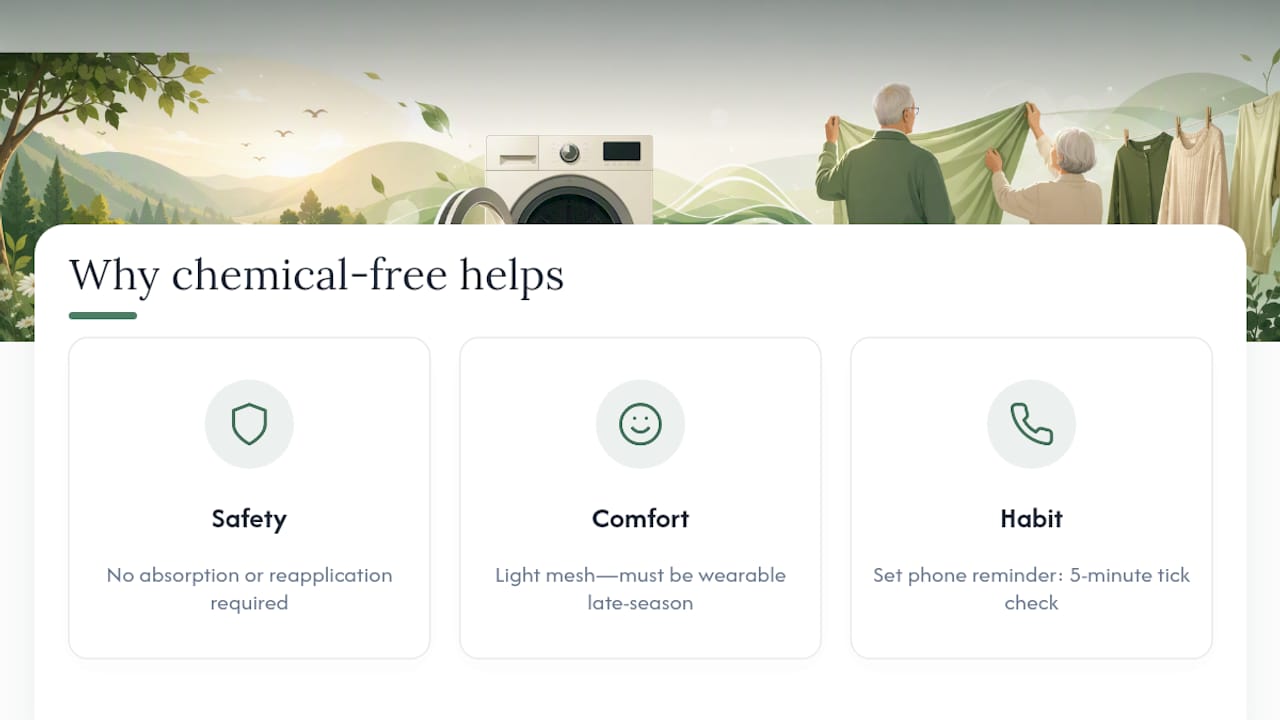
Older adults tend to be managing at least one medication, and adding a topical repellent or treated fabric into that mix is one more variable, one more thing to track for a reaction. A fine-mesh physical barrier sidesteps that problem entirely. It either blocks the tick or it does not. There’s no absorption rate to worry about, no reapplication schedule to forget.
What gets underestimated is how much comfort drives actual use. A garment that feels stifling gets left behind after one hot afternoon, no matter how well it’s designed on paper. The mesh has to be light enough that someone actually wears it on day 40 of the season, not just day one. Set a phone reminder for a five-minute tick check right after you come back inside. It’s the single habit most likely to get skipped once you’re tired and just want to sit down.
— Thomas
Where to Find Bug Away’s Full-Coverage Tick Gear
Bug Away’s chemical-free mesh clothing is sold directly online, with dedicated pages for men’s, women’s, and kids’ options.
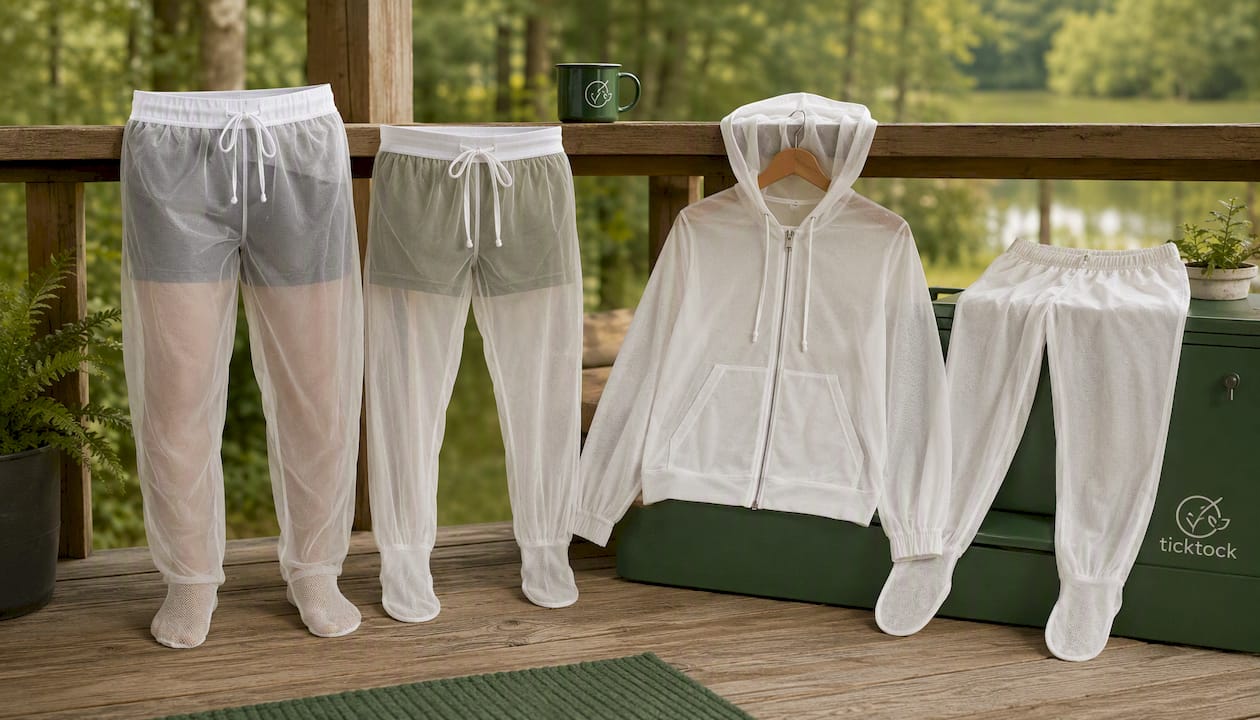
If you’re comparing this to spraying down clothing or relying on treated fabric, the real advantage here is simple: nothing to reapply, nothing chemical touching skin, and a fit built around actual mobility and closures that don’t fight arthritic hands. Before you check out, run through a quick list. Confirm your size against the chart rather than guessing from your regular pants size, since mesh fits differently than woven fabric. Check that you’re comfortable with the 30-day return window in case the first size doesn’t work. And if you’re buying for a parent or spouse, consider ordering a set for yourself too, so you can test the tuck-and-seal routine together before the next hike or garden day.
Start with the Bug Away Pants for men or Bug Away Pants for women, and add the Bug Away Kids Set if grandchildren are part of your outdoor routine.
Sources
Consult these directly for technical detail beyond what’s summarized here.
FAQ
Does Chemical-Free Mesh Clothing Really Stop Ticks?
Yes. A fine, densely woven mesh works as a physical barrier a tick cannot crawl through, and covering arms, legs, and ankles closes off the areas ticks target most.
When Is Tick Risk Highest?
Tick activity typically peaks between April and September, so that stretch of the year calls for the most consistent use of protective clothing.
Does Putting Clothes in the Dryer Really Kill Ticks?
Yes. Running clothing in a dryer on high heat for at least 10 minutes kills ticks that may be clinging to fabric, and this works far better than a cold wash alone.
Is Chemical-Free Mesh Better Than Permethrin-Treated Clothing for Seniors?
Chemical-free mesh avoids any topical chemical exposure, which appeals to seniors managing medications or skin sensitivities, while permethrin-treated clothing is a separate, chemical-based option with its own safety considerations.
What Should I Look for When Buying Tick Protection Clothing for an Older Parent?
Prioritize full coverage, easy closures like large zipper pulls or elastic waistbands, breathable lightweight mesh, and a return policy that allows for sizing adjustments, such as Bug Away’s 30-day money-back guarantee.