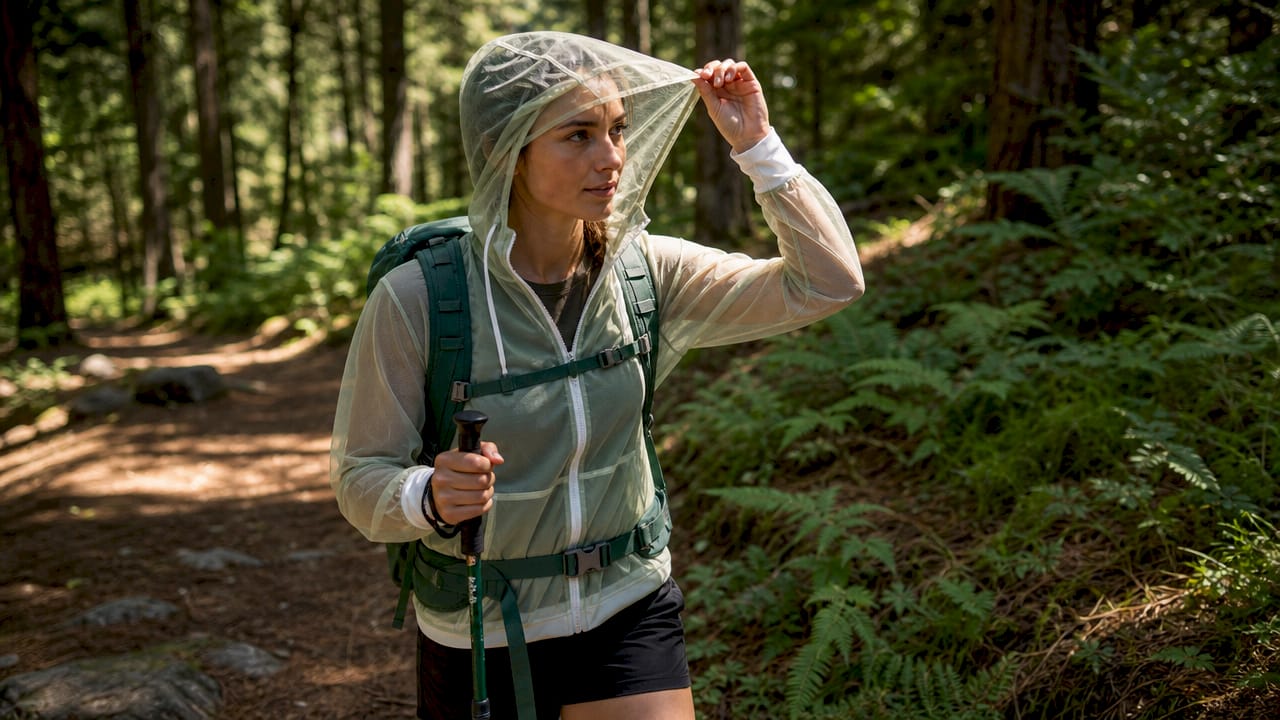
Do bug jackets actually prevent insect bites?
Yes, bug jackets work. The short answer is that they physically block insects from reaching your skin, and when treated with permethrin, they also repel and kill insects on contact. Factory-treated clothing reduces mosquito bites by 37%–94% and tick bites by 50%–65% in the first year, according to University of Florida research. That range is wide because effectiveness depends on the mosquito species, how much skin is covered, and whether you pair the jacket with a topical repellent.
Bug jackets, sometimes called insect-proof clothing or net suits, are garments built specifically to stop insects from biting through the fabric. They come in two main types: mechanically protective (fine mesh or tightly woven fabric that physically blocks bites) and chemically treated (fabric impregnated with permethrin, which repels and kills insects on contact). Most serious outdoor hikers eventually run into both types and wonder which one actually holds up in the field.
The key things to know upfront:
- Mechanical protection works by keeping insect mouthparts from reaching skin through fabric density or mesh gauge.
- Chemical protection (permethrin) adds a repellent and insecticidal layer that works even when insects land on the fabric.
- Coverage matters. A 2016 study found that wearing treated long sleeves and pants cut bites by 91%, while treated short sleeves and shorts reduced bites by a lower percentage than full-coverage clothing.
- Combination beats single methods. Pairing treated clothing with a DEET or picaridin spray on exposed skin delivers the strongest protection.
- Bug jackets are most effective as one layer in a broader protection strategy, not a standalone solution.
Table of Contents
- How bug jackets protect you: mesh barriers versus chemical treatments
- What actually makes a bug jacket effective?
- How to get the most out of your bug jacket in the field
- Are bug jackets comfortable enough to actually wear?
- Safety and environmental concerns with chemically treated bug jackets
- What the science actually says about bug jacket effectiveness
- Bugawaygear: chemical-free protection built for the trail
- Key Takeaways
How bug jackets protect you: mesh barriers versus chemical treatments
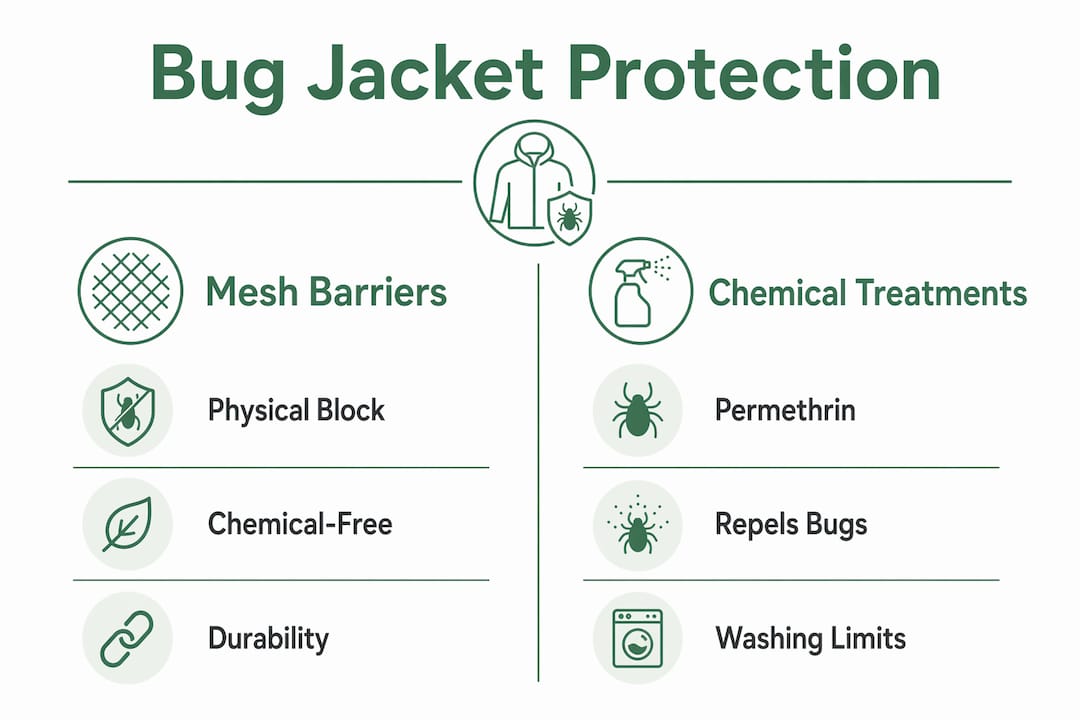
The two protection mechanisms work differently, and understanding that difference helps you pick the right jacket for your situation.
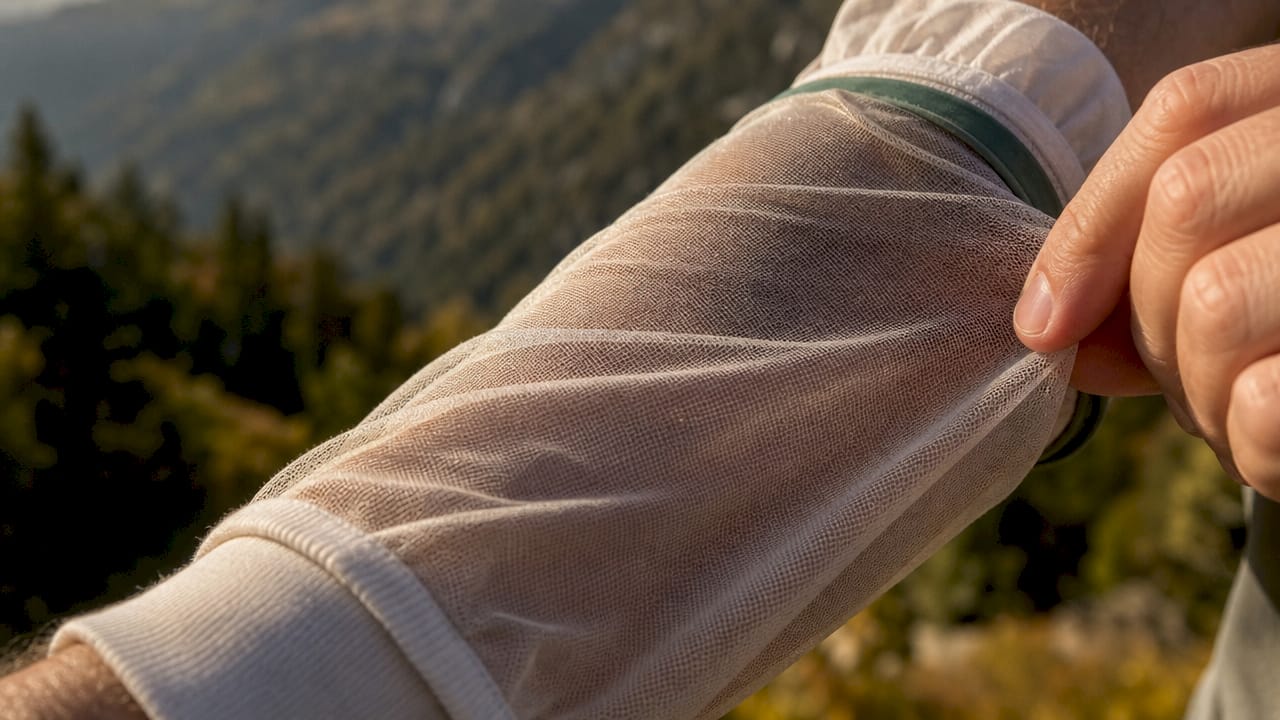
Mechanical protection is straightforward. A fabric dense enough or a mesh fine enough simply stops a mosquito’s proboscis from reaching skin. Thick fabrics can mechanically prevent mosquito bites without any chemical help. The tradeoff is breathability. Denser fabrics trap heat, and fine mesh can still allow bites if it presses against skin.
Chemical protection via permethrin works differently. When a tick or mosquito lands on treated fabric, permethrin either repels it immediately or kills it on contact. One thing most hikers don’t realize: permethrin has very low vapor pressure, which means it provides little or no “halo” effect beyond the treated fabric itself. It protects the skin under the fabric, but it won’t repel insects from nearby uncovered skin. That’s why you still need a topical repellent on your hands, neck, and face.
Here’s how the two approaches compare in practice:
- Mesh/mechanical jackets: No chemicals, immediate protection, effective against ticks and mosquitoes when fit is loose enough. Best for those avoiding pesticides.
- Permethrin-treated jackets: Repel and kill insects on contact, effective even through thinner fabrics, but require re-treatment over time.
- Untreated thin fabrics: Offer almost no protection. Mosquitoes can bite through a standard T-shirt or compression gear without much effort.
- Combined approach: Permethrin-treated clothing paired with topical repellents consistently outperforms either method used alone.
A PMC study testing 88 commercially available fabrics found that 53 out of 88 fabrics were bite-proof against Aedes, Anopheles, and Culex mosquitoes without any chemical treatment. Those fabrics tended to have higher areal weight density or polyurethane coatings. Three of the five most comfortable bite-proof fabrics were also breathable, which matters a lot for active hikers.
What actually makes a bug jacket effective?
Not all bug jackets perform the same way. Three factors drive most of the difference: mesh quality, fit, and design coverage.
Mesh quality is where a lot of cheaper jackets fall short. Fine-gauge mesh with small enough openings blocks insects physically, but high-quality fine mesh can reduce airflow and increase heat. There’s a real tradeoff between protection level and ventilation, and the best jackets balance both. Fabrics with higher areal weight density tend to be more bite-resistant, but they also tend to run warmer.
Fit is probably the single most overlooked factor. A loose-fitting jacket keeps the mesh away from your skin, which is where mechanical protection actually works. If mesh contacts skin, insects can bite through it because the proboscis can reach through the gap. Tight-fitting bug jackets, or jackets worn over thin base layers, lose most of their mechanical advantage.
Design features that separate good jackets from mediocre ones:
- Integrated hoods with face mesh coverage
- Elasticized or velcro cuff seals at wrists and ankles
- Full-length zipper with a covered placket to block gaps
- Coverage that extends past the waistband to prevent ride-up
- Lighter colors, since mosquitoes are more attracted to dark fabrics
Pro Tip: When trying on a bug jacket, pinch the mesh away from your forearm and check whether you can still feel the fabric against skin. If you can’t create at least a centimeter of clearance when the jacket is zipped, size up.
Durability also matters for long-term value. Permethrin-treated garments lose efficacy with washing, so fabric construction affects how long the treatment holds. Factory-treated clothing can remain effective for up to 70 washes, while home-treated garments typically last about six washes before needing re-treatment.
How to get the most out of your bug jacket in the field
Wearing a bug jacket correctly makes a bigger difference than most hikers expect. Here are the practices that actually move the needle:
- Wear it loose. Layer the jacket over a light long-sleeve shirt rather than directly over bare skin. This keeps mesh off your skin and adds a second barrier.
- Cover all exposed skin with topical repellent. Apply DEET or picaridin to your hands, neck, and face. Permethrin on the jacket won’t protect skin it doesn’t cover.
- Tuck and seal. Tuck your shirt into your pants, pull socks up over pant cuffs, and make sure wrist cuffs are sealed. Ticks crawl upward and find gaps.
- Avoid peak mosquito hours when possible. Dawn and dusk are highest-activity windows for most mosquito species. If you’re hiking during those times, full coverage matters more.
- Wash treated garments gently. Use a mild detergent on a gentle cycle, skip fabric softener and bleach, and line-dry when possible. Dryer heat degrades permethrin faster than washing alone.
- Re-treat home-treated garments after about six washes. Factory-treated items should not be re-treated; follow the manufacturer’s care label.
- Remove standing water near camp. Eliminating larval habitat reduces the mosquito population you’re dealing with in the first place.
For tick bite prevention, the combination of treated clothing, a topical repellent on exposed skin, and a thorough tick check after returning indoors is what public health experts consistently recommend. No single method catches everything.
Are bug jackets comfortable enough to actually wear?
Comfort is where bug jackets either earn repeat use or end up stuffed in the bottom of a pack. The honest answer is that it depends heavily on the jacket’s design and the conditions you’re hiking in.
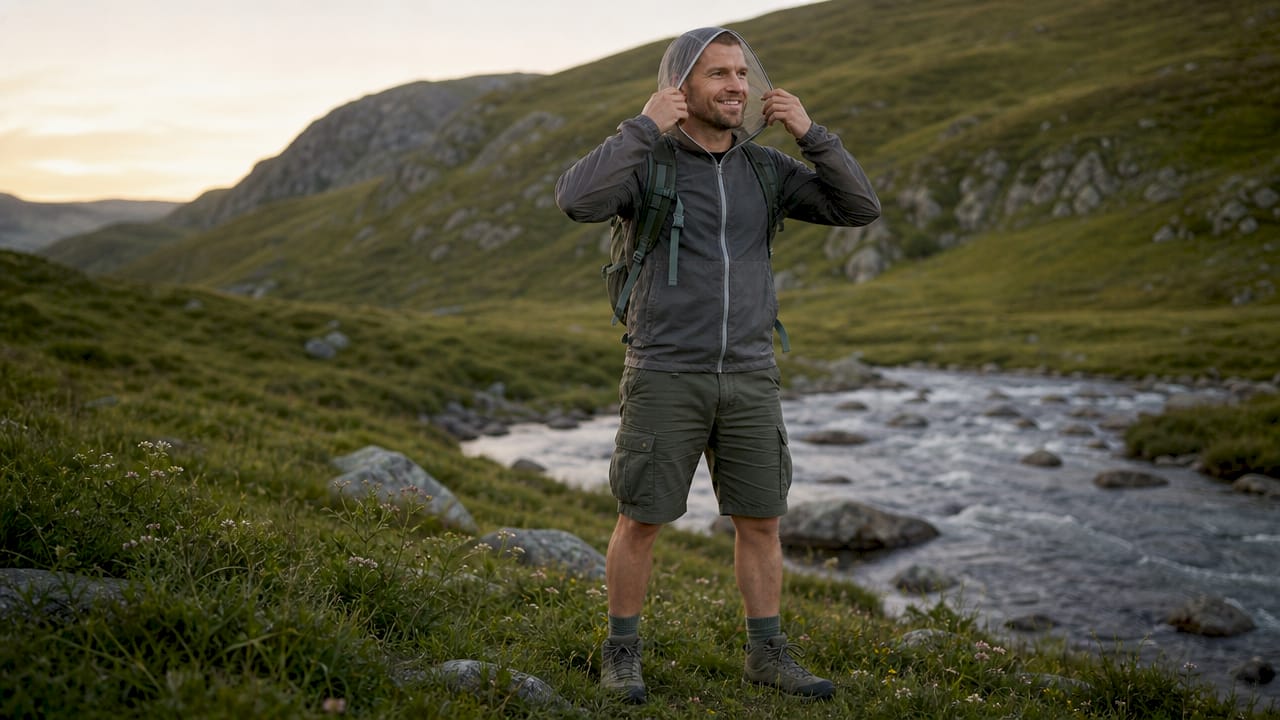
Fine mesh fabrics do restrict airflow compared to a standard hiking shirt. On a cool morning in tick country, that’s a non-issue. On a humid August afternoon in the Southeast, it can feel stifling. Fine-gauge mesh provides effective bite protection but can be less breathable and increase heat, which is the core comfort tradeoff every hiker has to weigh.
Chemical-free mesh jackets have a comfort edge here. Without a permethrin coating, the fabric tends to feel lighter and less stiff. Chemical-free tightly woven breathable fabrics offer physical protection with more comfort and less snagging than some treated options. For hikers who spend long days on trail, that difference adds up.
User experience points worth knowing:
- Mesh jackets worn loosely over a base layer feel significantly cooler than jackets worn directly on skin.
- Lighter-colored mesh reflects more heat than dark fabrics.
- Jackets with underarm vents or side panels of lighter mesh improve airflow without sacrificing coverage.
- The face mesh on integrated hoods can fog sunglasses, which is a real annoyance on long descents.
The bite reduction statistics from treated clothing (37%–94% for mosquitoes, 50%–65% for ticks) are compelling enough that most serious hikers accept some heat penalty. The question is whether the jacket’s design minimizes that penalty without cutting corners on coverage.
Safety and environmental concerns with chemically treated bug jackets
Permethrin is the most common chemical used in treated outdoor clothing, and its safety profile is well-documented. The EPA has reviewed long-term use data and considers permethrin-treated clothing safe for adults, children, and pregnant women when used as directed. Skin absorption is well below safety thresholds, and mild skin irritation is rare.
That said, there are real precautions worth taking seriously:
- Never spray permethrin directly on skin. It is a clothing treatment only. Applying it to skin is dangerous and defeats the purpose of the product.
- Keep treated clothing away from cats when wet. Permethrin is highly toxic to cats while wet. Let clothing dry completely before any contact with cats.
- Treat clothing outdoors in a well-ventilated area. Spray in open air, not in a garage or enclosed space.
- Never re-treat factory-treated garments. Adding more permethrin to already-treated clothing can create uneven concentrations.
- Environmental considerations: Permethrin is toxic to fish and aquatic invertebrates. Wash treated clothing in a way that minimizes runoff into waterways.
Warning: Permethrin-treated clothing must be completely dry before allowing cats near it. Even brief contact with wet permethrin can cause serious neurological harm in cats. This applies to clothing, sprayed gear, and any treated fabric.
Consumer Reports notes that even after significant washing reduces permethrin concentration, treated clothing still repels ticks, which suggests the safety-to-efficacy ratio remains favorable well into the garment’s life. For hikers who prefer to avoid chemicals entirely, mechanical mesh jackets sidestep all of these concerns without sacrificing meaningful protection.
What the science actually says about bug jacket effectiveness
The research on insect-proof clothing is more solid than most hikers realize. University of Florida entomologists summarize the evidence clearly: factory-treated clothing reduces mosquito bites by 37%–94% depending on mosquito species, coverage, and treatment method. For ticks specifically, a study published in the Journal of Medical Entomology found that outdoor workers wearing commercially treated clothing experienced 65% fewer tick bites in the first year compared to workers with untreated clothing. In the second year, as permethrin levels declined from washing, the reduction held at 50%.
Thomas Mather, PhD, director of the University of Rhode Island’s Center for Vector-borne Disease and a co-author of that tick study, put the practical implication plainly:
On the mechanical protection side, a PMC study published in 2025 identified five commercially available, chemical-free fabrics that were definitively bite-proof against Aedes, Anopheles, and Culex mosquitoes, with three of those fabrics also rated as breathable. That’s a meaningful finding for hikers who want protection without permethrin.
One nuance the research highlights: entomologists caution that if mesh contacts skin, insects can bite through it. That’s not a failure of the jacket’s material; it’s a fit problem. Studies also confirm that permethrin-treated clothing retains tick-repelling efficacy even after repeated washing reduces chemical concentration, though re-treatment extends useful life. The durability of treated gear also depends on how well the fabric itself holds up to UV exposure and repeated washing cycles.
Bugawaygear: chemical-free protection built for the trail
If the research convinced you that mechanical protection is worth taking seriously, but you’d rather skip permethrin entirely, Bugawaygear is built exactly for that situation.
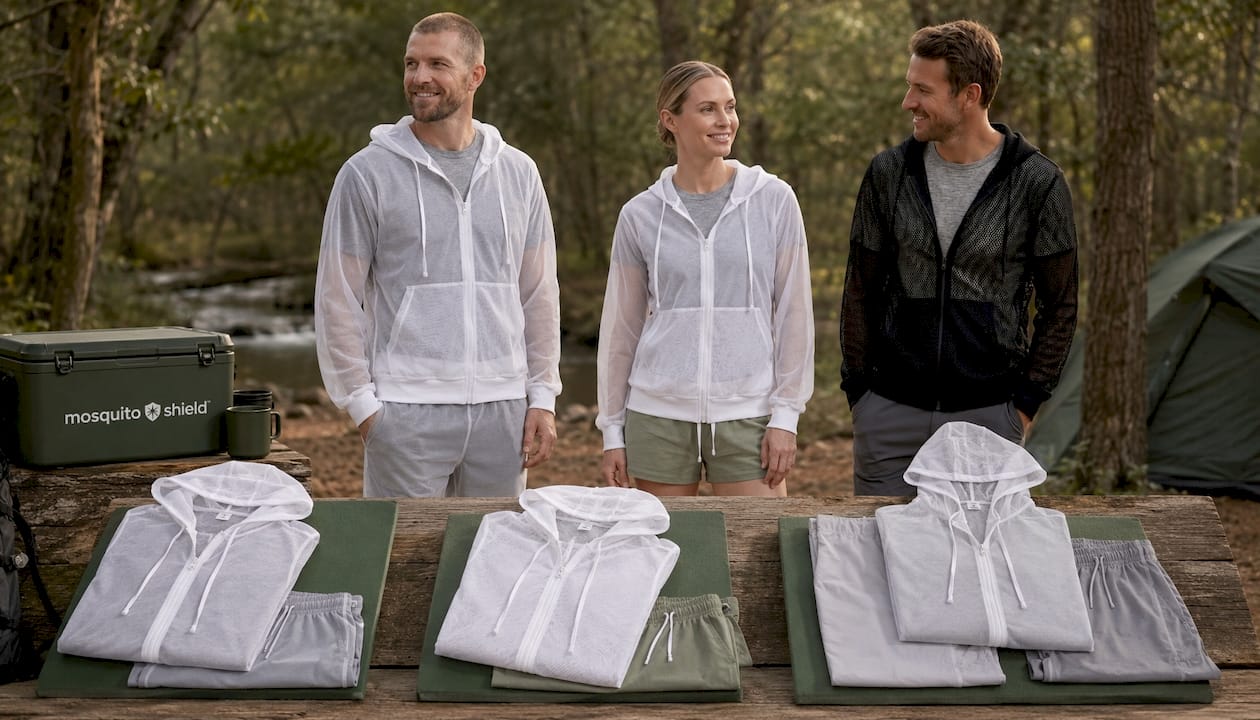
Bugawaygear makes lightweight, ultra-fine mesh clothing designed to physically block ticks and insects without any chemicals, sprays, or insecticides. The Bug Away Jacket for men and the Bug Away Jacket for women are built with breathable eco-responsible mesh, integrated coverage, and sizing for real outdoor use. For full-body protection on longer hikes, the Bug Away Combo Set pairs the jacket with matching pants and includes integrated foot coverage. Over 500 customers report zero tick bites while wearing Bugawaygear products, and every order comes with a 30-day money-back guarantee. Visit Bugawaygear to find your size and see the full lineup.
Key Takeaways
Bug jackets work best when worn loosely over a base layer, paired with a topical repellent on exposed skin, and chosen for fine mesh quality and full-body coverage.
| Point | Details |
|---|---|
| Proven bite reduction | Factory-treated clothing cuts mosquito bites by 37%–94% and tick bites by 50%–65% in the first year. |
| Fit determines effectiveness | Loose fit keeps mesh off skin; mesh touching skin allows insects to bite through the fabric. |
| Chemical vs. mechanical | Permethrin-treated jackets repel and kill on contact; chemical-free mesh jackets block physically with no safety concerns. |
| Combination beats single methods | Pairing treated clothing with DEET or picaridin on exposed skin outperforms either method used alone. |
| Bugawaygear option | Bugawaygear offers chemical-free mesh jackets and combo sets with a 30-day money-back guarantee for hikers avoiding pesticides. |