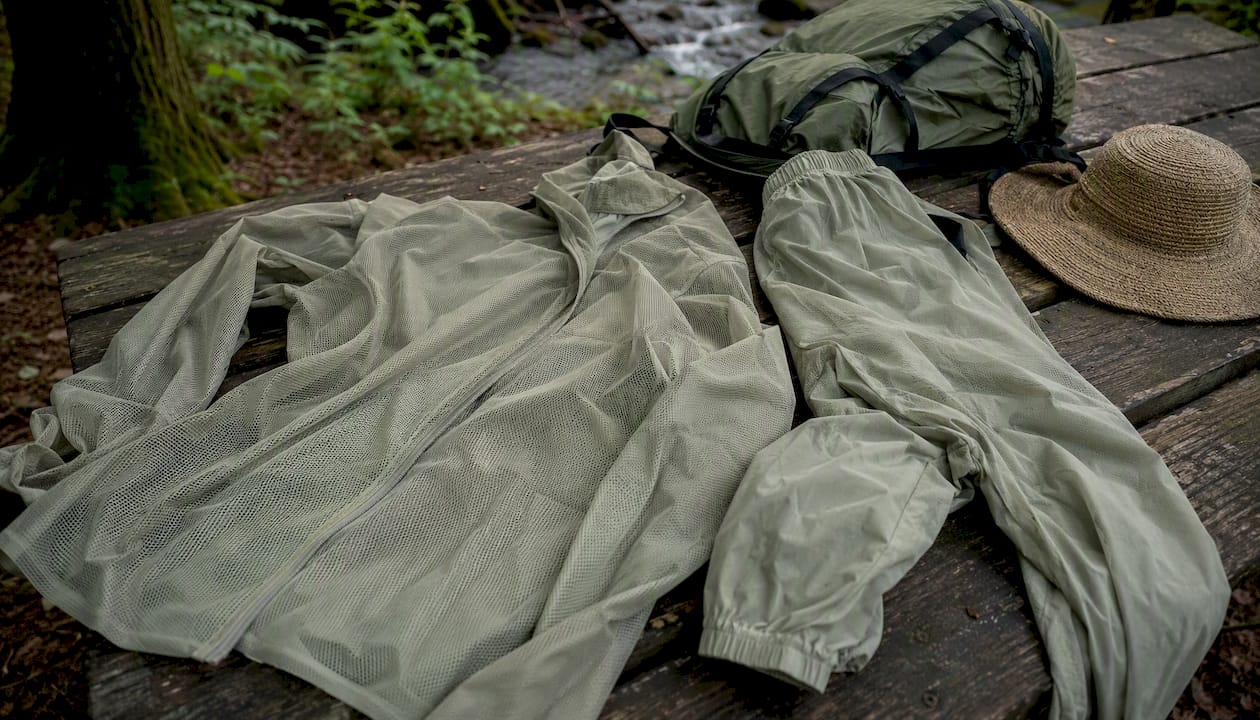
Solid camping tick prevention comes down to six things: wear light-colored long clothing with pants tucked into socks, treat that clothing and your gear with permethrin, apply an EPA-registered skin repellent, choose a campsite away from tall grass and leaf litter, do a full-body tick check every two to three hours, and pack a tick-removal tool. Do all six and you’ve stacked the odds heavily in your favor.
Quick-start checklist before you leave the trailhead:
- EPA-registered skin repellent (DEET 10–30% or picaridin)
- Permethrin-treated clothing or permethrin spray for gear
- Light-colored, long-sleeved shirt and long pants
- Fine-tipped tweezers or a dedicated tick-removal tool
- Dryer access or a plan to tumble-dry gear on high heat for 10 minutes after the trip
Safety callout: Permethrin goes on clothing and gear only. Never apply it directly to skin, and keep treated items away from cats until fully dry. Permethrin is toxic to cats even at low concentrations.
Key Takeaways
A layered approach combining physical barrier clothing, permethrin-treated gear, and EPA-registered skin repellent gives campers the most reliable tick protection across all conditions.
| Point | Details |
|---|---|
| Layer your protection | Combine physical barrier clothing, permethrin-treated gear, and EPA-registered skin repellent for the strongest defense. |
| Permethrin on fabric only | Apply 0.5% permethrin to socks, pant cuffs, and gear — never to skin, and keep away from cats until fully dry. |
| Heat kills ticks on laundry | Tumble-dry clothing on high heat for 10 minutes after camping; washing alone at typical temperatures usually does not kill ticks. |
| Check every 2–3 hours | Do full-body tick checks during the trip and shower within two hours of returning; remove attached ticks with fine-tipped tweezers using steady upward pressure. |
| Bugawaygear mesh pants | Bug Away Pants provide a chemical-free physical barrier with integrated foot coverage, backed by a 30-day money-back guarantee. |
Table of Contents
- Prepare your gear before you leave home
- How to dress for tick safety at camp
- Which skin repellents actually work for campers
- How to use permethrin safely on clothing and gear
- How to choose your campsite and behave on-site
- What to do right after camping: checks, removal, and laundry
- Build a camping tick-prevention kit
- Protecting children and pets from ticks at camp
- What actually works: natural repellents and common myths
- How Bug Away mesh clothing fits into a layered prevention plan
- Why the physical-barrier layer deserves to come first
- Bug Away pants: chemical-free protection for your next trip
- Sources
Prepare your gear before you leave home
The most effective tick protection starts days before you set foot on a trail. Campers who pre-treat their clothing and gear arrive with a working chemical barrier already in place, which means they’re not scrambling to apply repellent at the trailhead.
The CDC recommends permethrin-treated clothing as a core part of tick prevention, alongside skin-applied repellents and physical barriers.
Prep workflow:
- Decide on your treatment approach (pretreated garment vs. DIY spray).
- Identify what to treat: socks, pant cuffs, shirt cuffs, tent floor, sleeping bag exterior, and backpack.
- Apply permethrin outdoors or in a well-ventilated space, following label concentration and coverage instructions.
- Allow items to dry completely before wearing or packing. Drying time varies by product but is typically two to four hours.
Here’s how the main protection methods compare at a glance:
| Method | Effectiveness | Duration | Skin-safe | Best used on |
|---|---|---|---|---|
| Physical barrier (mesh clothing) | High for contact prevention | Indefinite (no reapplication) | Yes | Body — worn as outer layer |
| Permethrin-treated clothing/gear | High; kills/repels on contact | Several wash cycles | No (clothing only) | Socks, pants, tent floor, backpack |
| EPA-registered skin repellent | High (DEET/picaridin) to moderate | 2–4 hours depending on ingredient | Yes (skin application) | Exposed skin only |
Pro Tip: Treat socks and pant cuffs 48 hours before your trip so they’re fully dry and ready to pack. These two items have the most tick contact of anything you’ll wear.
How to dress for tick safety at camp
The most protective camping outfit is light-colored, long-sleeved, and sealed at every gap where a tick could crawl in. That sounds simple, but the details matter.
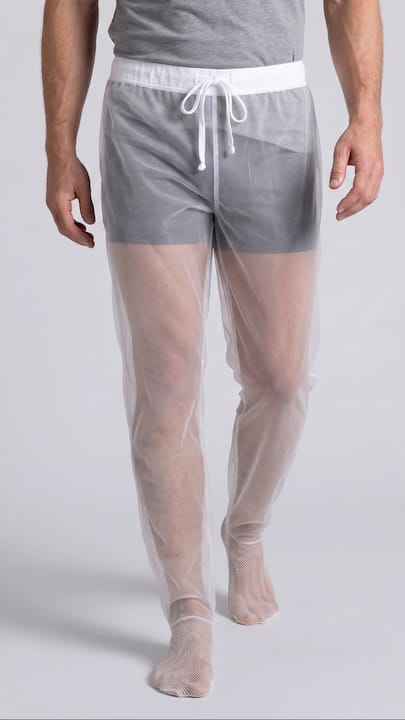
Light colors aren’t just a style choice. Tick nymphs — the stage most likely to transmit Lyme disease — are roughly the size of a poppy seed. Against a white or tan fabric, they’re visible. Against dark green or black, you’ll miss them. Harvard Health notes that light-colored clothing significantly improves your ability to spot nymphal ticks before they attach.
Fabric matters too. Tightly woven fabrics give ticks less to grip and fewer gaps to navigate. Moisture-wicking synthetics are preferable to cotton in warm weather because they dry faster and stay cooler, which means you’re more likely to keep them on. A soaked cotton shirt gets rolled up and stuffed in a bag — and that’s when ticks reach skin.
How to tuck and seal effectively:
- Tuck your shirt into your pants and your pants into your socks.
- Pull socks up over the pant cuff, not under.
- Use gaiters over shoes and lower pant legs for a more secure seal on rough terrain.
- If you’re wearing a hat, tuck long hair inside or tie it back to keep ticks off your neck and scalp.
Pro Tip: For hot-weather camping, look for clothing with integrated mesh foot cuffs or ankle coverage. These seal the ankle gap without the discomfort of thick wool socks in summer heat, and they’re far more reliable than duct tape, which loses adhesion quickly when you sweat.
Which skin repellents actually work for campers
The short answer: EPA-registered repellents with DEET or picaridin give the longest, most reliable protection. Plant-based options can work, but their protection windows are shorter and less consistent in real-world conditions.
The EPA’s repellent guidance covers five active ingredients with solid safety and efficacy data. Here’s what you need to know about each:
| Active ingredient | Typical protection duration | Age guidance | Notes |
|---|---|---|---|
| DEET (10–30%) | 2–6 hours | Safe for children over 2 months | Most studied; reapply after swimming or heavy sweating |
| Picaridin (20%) | Up to 4 hours | Safe for children over 2 months | Less oily feel than DEET; good for sensitive skin |
| IR3535 | 2–4 hours | Safe for children over 2 months | Effective but shorter duration than DEET/picaridin |
| Oil of lemon eucalyptus (OLE/PMD) | 2–4 hours | Not for children under 3 years | Do not confuse with lemon eucalyptus essential oil |
| 2-undecanone | 2–4 hours | Follow label | Naturally derived; newer option with less field data |
Application rules that campers often skip:
- Apply sunscreen first, then repellent. Sunscreen goes under, repellent goes over.
- Do not apply repellent under clothing. It goes on exposed skin only.
- For children, apply repellent to your own hands first, then spread it on the child. Avoid eyes, mouth, and hands.
- Pregnant or breastfeeding campers should use DEET, picaridin, or IR3535 per EPA guidance; OLE/PMD is not recommended during pregnancy.
- Reapply after swimming, heavy sweating, or when you notice ticks moving toward you rather than away.
How to use permethrin safely on clothing and gear
Permethrin-treated fabric is among the most effective tools for keeping ticks off your clothing and gear. The key rule: it goes on fabric, never on skin.
Step-by-step application:
- Choose a 0.5% permethrin spray formulated for clothing and gear. Follow the label for concentration and coverage rate.
- Lay items flat outdoors or in a well-ventilated space. Spray socks, pant cuffs, shirt cuffs, the exterior of your backpack, and the floor of your tent.
- Apply until the fabric is damp but not soaking. Flip items and treat the other side.
- Allow items to dry completely before wearing or storing, typically two to four hours outdoors.
- Re-treat clothing after the number of wash cycles specified on the product label, usually six to ten washes.
Safety warnings you should take seriously:
- Never apply permethrin to skin. It is designed for fabric only.
- Permethrin is toxic to cats. Keep treated items away from cats until fully dry, and store treated gear where cats cannot access it.
- Keep children away from items being treated and during drying.
- Wear gloves during application and wash hands thoroughly afterward.
- Store unused permethrin product in a locked cabinet, away from children and pets.
The CDC’s tick prevention guidance specifically recommends treating clothing and gear with 0.5% permethrin as part of a layered approach.
Pro Tip: Treat your tent floor and sleeping bag exterior the night before you pack. These surfaces contact the ground directly and are easy to forget. A tick that hitches a ride on your sleeping bag can find you hours after you’ve done your post-hike check.
How to choose your campsite and behave on-site
Where you set up camp and how you move around it matters more than most campers realize. Ticks don’t jump or fly. They wait on grass blades and leaf edges, a behavior called questing, and latch on when something warm brushes past.
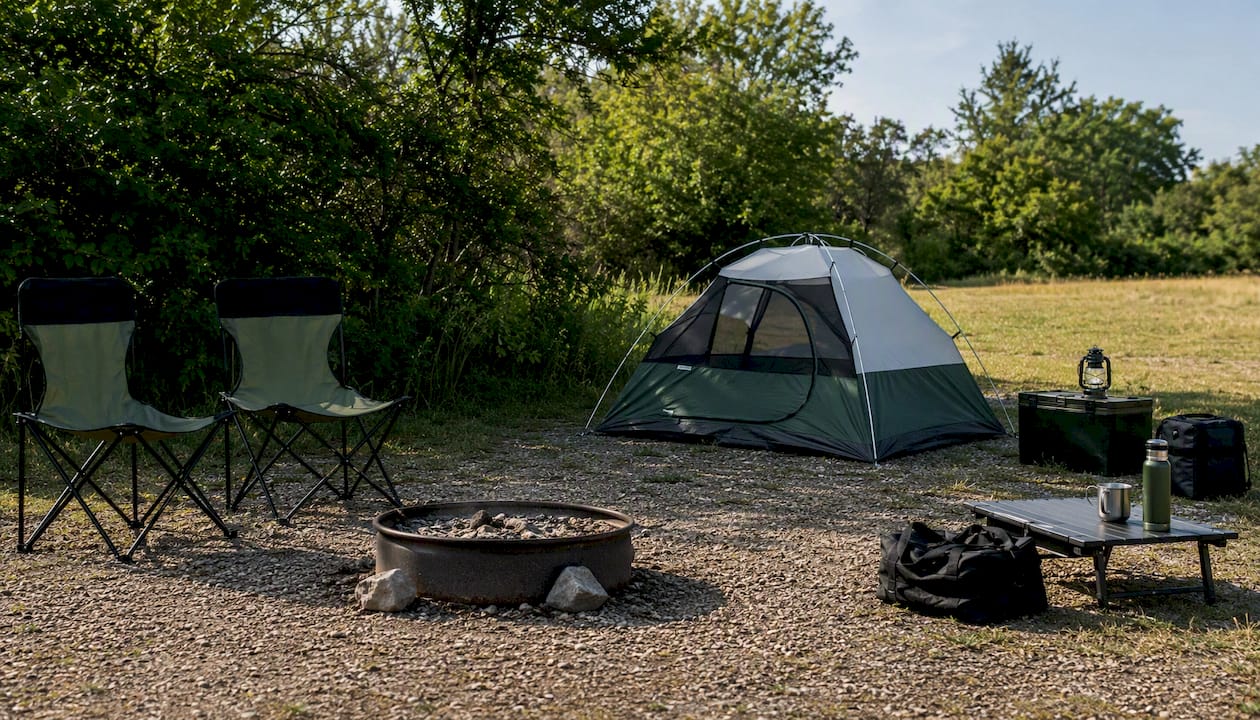
Pick a site with short grass or gravel ground cover, and position your tent away from forest edges and leaf litter piles. The transition zone between woods and open ground is where tick density is highest. A site in the middle of a cleared, mowed area is meaningfully lower risk than one tucked against the tree line.
Daily behavior at camp follows the same logic. Stay on marked trails during day hikes, and avoid sitting directly on logs, leaf piles, or ground cover. If you’re stationary for a while, a pop-up screened shelter or a portable fan can reduce tick contact. Ticks avoid moving air.
Pro Tip: Create a clean zone around your tent by placing a tarp or ground cloth under your gear, and keep a three-foot buffer of cleared or graveled ground between the tent and any vegetation. Keep all gear off bare ground when possible. A folding table for your pack and a tarp for your shoes makes a real difference over a multi-day trip.
State and local tick control programs, like the Metropolitan Mosquito Control District, also recommend timing outdoor activities to avoid peak tick activity. Ticks are most active in warm, humid conditions, generally late spring through early fall, and tend to be less active during the hottest midday hours.
What to do right after camping: checks, removal, and laundry
Shower within two hours of coming inside. Do a full-body tick check. Remove any attached tick promptly. These three steps, done in order, are your best post-trip defense.
Step-by-step tick removal:
- Use fine-tipped tweezers or a dedicated tick tool. Grip the tick as close to the skin surface as possible.
- Pull upward with steady, even pressure. Do not twist or jerk.
- Do not squeeze the tick’s body, apply petroleum jelly, nail polish, or heat. These methods can cause the tick to release fluids into the bite.
- Clean the bite site with rubbing alcohol or soap and water.
- Place the removed tick in a sealed container or zip-lock bag. If you develop symptoms, having the tick for identification can help your doctor.
- Wash your hands.
Laundering after a camping trip:
Tumble-dry clothing on high heat for 10 minutes before washing, or after if items are damp. The CDC confirms that heat kills ticks on clothing. Washing alone at cold or warm temperatures typically does not. If clothes are wet, extend drying time. Check sleeping bags, backpacks, and soft gear, and heat-dry them if possible.
When to see a doctor:
- A bull’s-eye rash (erythema migrans) at or near the bite site
- Fever, chills, or unusual fatigue within days to weeks of the bite
- Muscle or joint pain, headache, or swollen lymph nodes
- Any rash that spreads or changes shape
Note the date of the bite, the body location, and how long the tick appeared to be attached. Bring the tick in its sealed container if you have it.
Build a camping tick-prevention kit
A dedicated kit means you’re not digging through your pack for tweezers at 9 PM. Pack these items together in a small zip pouch:
- EPA-registered repellent (DEET 10–30% or picaridin 20%): reapply every two to six hours, or after swimming.
- Permethrin spray (0.5%): for treating any untreated gear at camp; also useful for treating a new pair of socks if you forgot.
- Fine-tipped tweezers or a tick-removal tool: the Bug Away Tick Removal Kit includes the essentials in one compact pack.
- Small mirror: for checking the back of your neck, behind your ears, and your scalp.
- Adhesive lint roller: run it over clothing and gear before entering the tent. It picks up crawling ticks before they find skin.
- Sealed sample container: a small zip-lock bag or pill bottle for storing a removed tick.
- Backup clothing set: a clean long-sleeve shirt and pants sealed in a bag. If you’ve been in heavy brush, change into the backup set before entering your sleeping area.
If you’re bringing a dog, pack a tick tool sized for pets and check them thoroughly before they re-enter the tent. Dogs are efficient tick transporters into sleeping spaces.
Protecting children and pets from ticks at camp
Children need the same layered protection as adults, with a few adjustments. Prefer permethrin-treated clothing over skin-applied repellents for kids when possible. The clothing does the work without requiring reapplication or worrying about a child touching their face.
Practical steps for kids:
- Use EPA-registered repellents appropriate for the child’s age. DEET, picaridin, and IR3535 are safe for children over two months per CDC and EPA guidance. OLE/PMD is not recommended for children under three.
- Apply repellent yourself. Don’t let young children handle the product.
- Check children every two to three hours during outdoor activities, and do a full-body check before bed. Pay attention to the scalp, behind the ears, the back of the neck, armpits, and behind the knees.
- Tuck clothing and use netting over sleeping areas for young children who can’t communicate discomfort.
For pets, use vet-recommended tick prevention products and check dogs thoroughly after every outing. Run your fingers through their fur, especially around the collar, ears, between toes, and under the tail. Keep in mind that permethrin-treated clothing and freshly treated gear are toxic to cats. Minimize contact between cats and treated items until the items are completely dry.
What actually works: natural repellents and common myths
Some natural ingredients show real promise in lab settings. In real-world camping conditions, the picture is more complicated.

In laboratory contact assays, 10% lotion emulsions with cinnamon oil or clove oil produced complete protection times longer than one hour against ticks, while the DEET positive control in the same experiment protected up to six hours. That gap matters when you’re on a six-hour trail. Separately, a field study published in Experimental and Applied Acarology found that spearmint and oregano oils at 5% showed repellency comparable to 20% DEET in some woodland-edge tests with residual repellency lasting at least 24 hours on treated clothing. The results are promising, but field performance varies by tick species, temperature, and application method.
On the research frontier, the naturally derived compound 1R-trans-chrysanthemic acid (TCA) repelled Lone Star tick nymphs as well as or better than DEET in several lab bioassays. Field validation is still needed, but it’s a signal that the next generation of natural repellents may close the gap.
Common myths worth correcting:
- “Washing clothes kills ticks.” Washing alone at cold or warm temperatures usually doesn’t. High-heat drying for 10 minutes does.
- “Duct tape around the ankles seals the gap.” It works briefly, then sweat and dirt reduce adhesion. Gaiters or integrated ankle coverage are more reliable.
- “Essential oils work just as well as DEET.” In some lab assays, certain oils come close. In multi-hour field conditions, EPA-registered repellents consistently outperform them.
- “Ticks fall from trees.” They don’t. Ticks quest from low vegetation, typically below knee height. Treating pant cuffs and socks matters more than treating your hat.
For a deeper look at how natural options stack up, bug spray alternatives covers the evidence on EPA 25(b) ingredients versus conventional repellents.
How Bug Away mesh clothing fits into a layered prevention plan
Bug Away mesh clothing works as a chemical-free physical barrier that stops ticks before they reach skin. It doesn’t repel; it blocks. That distinction matters for campers who want protection without reapplying skin repellents every few hours or worrying about permethrin drying schedules.
The use cases where physical-barrier clothing earns its place:
- Hot-weather camping, where skin repellents feel uncomfortable and campers are tempted to skip reapplication.
- Families with chemical concerns, including parents who prefer not to apply DEET to children’s skin repeatedly.
- Multi-day trips, where carrying and reapplying multiple repellent products becomes logistically inconvenient.
The garments include integrated foot coverage, which addresses the ankle gap without gaiters or tucking. The brand backs every purchase with a 30-day money-back guarantee, and over 500 customers report zero tick bites while wearing the clothing.
When to choose which layer:
- Physical barrier clothing alone: low-to-moderate tick pressure, short outings, chemical-sensitive users.
- Permethrin-treated clothing: high tick pressure, multi-day trips, gear that contacts the ground.
- Combination (mesh clothing + permethrin-treated socks + picaridin on exposed skin): the strongest layered approach for high-risk environments.
Pro Tip: For chemical-free tick protection on early morning hikes when dew is heavy and ticks are most active, wear Bug Away mesh pants over permethrin-treated socks. You get the physical barrier on your legs and the chemical kill layer at the contact point closest to the ground.
Why the physical-barrier layer deserves to come first
Most tick prevention advice leads with repellents, and that’s understandable. DEET and picaridin have decades of data behind them. But there’s a practical problem with a repellent-first strategy: people skip doses.
Reapplication schedules demand discipline over a multi-day trip. You sweat, you swim, you forget. A physical barrier doesn’t require reapplication. It works every hour you’re wearing it, without a reminder. That’s not an argument against repellents — it’s an argument for treating the physical layer as your foundation and repellents as the backup, not the other way around.
The layered approach that holds up best in practice: start with barrier clothing (mesh or permethrin-treated), add a skin repellent for exposed areas, and use campsite discipline to reduce contact in the first place. Each layer covers the gaps in the others. Permethrin handles the contact points barrier clothing can’t fully seal. Skin repellent covers exposed skin. Campsite choices reduce the number of ticks you encounter before any of those layers are tested.
Bug Away pants: chemical-free protection for your next trip
Physical protection that doesn’t require a reapplication schedule starts with what you wear. Bugawaygear’s Bug Away Pants for men and Bug Away Pants for women are built from ultra-fine breathable mesh that physically blocks ticks and insects without any chemical treatment. Lightweight enough for summer camping, they fit over base layers or wear standalone, with integrated foot coverage that seals the ankle gap.
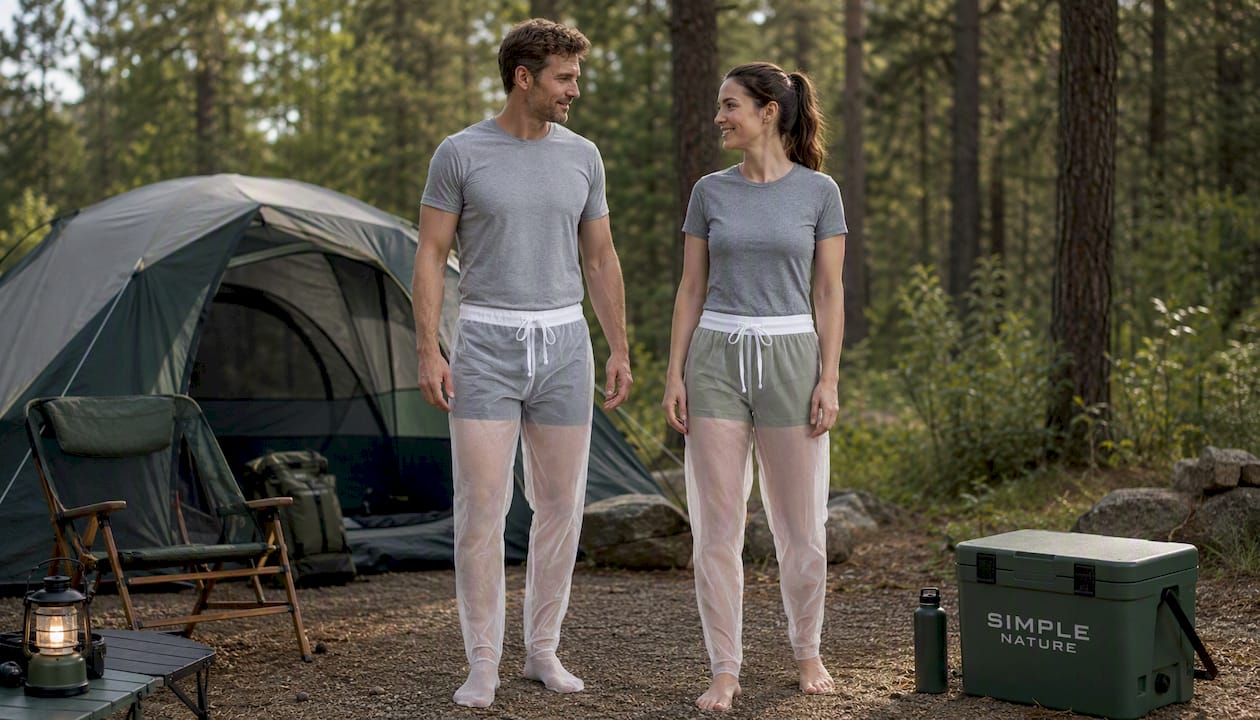
Every pair comes with a 30-day money-back guarantee. Sizing runs true to standard outdoor apparel sizing. If you’re between sizes, size up for layering over base layers. Browse the men’s and women’s options at Bugawaygear and make the physical barrier the foundation of your prevention plan before your next trip.
Sources
- Preventing Tick Bites | Ticks | CDC
- Find an insect repellent that’s right for you | EPA
- Preventing tick bites | Harvard Health
- Essential oils and EPA 25(b) ingredients tested for contact repellency (PMC9886999)
This article is general information, not a substitute for advice from a qualified doctor. Consult a qualified healthcare professional about your own circumstances before acting on anything here.