
Chemical-free mesh clothing works by creating a physical barrier mosquitoes and ticks can’t bite through, and it does this while staying cool enough to wear all day. Choose mesh over permethrin-treated gear when you have kids in tow, you’re outside for shorter stretches, or you’re working in humid heat where sprayed-on chemicals feel heavy and unnecessary. Start with a breathable outer layer, such as the Bug Away Jacket for men or women, paired with matching pants for full coverage.
TL;DR:
- Fine-gauge mesh clothing creates a physical barrier that mosquitoes and ticks can’t bite through, without relying on chemicals.
- Breathability depends on design features such as back vents, loose fit, moisture-wicking liners, and secure closures at cuffs and ankles.
- Loosely fitted mesh garments worn as outer layers provide effective protection, especially when layered over regular clothing, with proper tuck-in at gaps.
- Washing mesh clothing in cold water and air drying extends its durability, as heat and abrasion can damage the fabric over time.
- Chemical-free mesh protection remains effective through repeated washing, offering an advantage over permethrin-treated gear that degrades after a set number of washes.
Table of Contents
- How Does Breathable Insect-Proof Clothing Actually Work?
- What Should You Look for When Choosing Bug-Proof Clothing?
- Bug Away Jackets and Pants: What Fits Your Trip
- How Do You Wash and Store Mesh Bug Clothing?
- Chemical-Free Mesh vs. Permethrin-Treated Clothing: Which Wins?
- Why We Built Bug Away Around Chemical-Free Mesh
- Where to Buy Bug Away Gear and What to Know Before You Order
- Sources
- FAQ
How Does Breathable Insect-Proof Clothing Actually Work?
Mosquitoes and ticks need direct skin contact to bite. Fine-gauge mesh closes that gap by keeping the fabric far enough from your skin, and the weave tight enough, that a mosquito’s proboscis can’t reach through it. That’s the entire mechanism, no chemistry involved.
What separates a garment that suffocates you from one you forget you’re wearing comes down to design. Breathability is really a system: fabric, cut, and venting all work together, not fabric alone, according to Utah State University Extension’s review of bug-repellent clothing. Look for:
- Back vents and underarm gussets that let hot air escape
- A loose, roomy cut instead of a snug fit that traps heat against skin
- Moisture-wicking liners at collar and cuffs
- Hoods with face mesh, long tails to tuck into pants, and cinch-cords at wrists and ankles
Full coverage always trades against heat management to some degree. A hooded jacket with sealed cuffs blocks more insects than a short-sleeve shirt, but it’s warmer. Editorial gear reviews consistently point to hooded mesh jackets with sealed cuffs as the most practical middle ground for hikers and gardeners, since they’re breathable and packable enough for regular use.
Pro Tip: Even fine polyester mesh only blocks bites where it sits away from your skin. Wear it slightly loose, especially across the shoulders and back, so the fabric never presses flat against you.
What Should You Look for When Choosing Bug-Proof Clothing?
Buying the right garment is less about brand names and more about matching design features to your risk level and your climate. Work through these in order.
- Coverage first. Check for a hood with integrated face mesh, elastic or drawstring cuffs, and an ankle closure or long enough hem to tuck into pants. Ticks climb upward from the ground, so ankle and cuff seals matter as much as a hood.
- Breathability second. Ask about mesh gauge (finer isn’t always better if it kills airflow), fabric weight, and whether back vents exist. A garment can be insect-proof and still feel like a sauna if it skips ventilation.
- Fit and layering. Mesh works best as an outer shell you put on when insects are active and shed when they’re not, rather than a base layer you live in all day. Tuck shirts into pants and pants into boots or socks to close gaps at the waist and ankles.
- Practical extras. Zippered pockets, a stuff sack for packing, and reinforced seams at stress points (elbows, knees, crotch) extend the life of the garment on the trail.
- Decide if you need chemical treatment too. Permethrin-treated garments are rated to hold their repellent effect through a set number of washes, with some technologies rated up to 40 washes and others up to 70. That number matters mainly for high-tick-density fieldwork, not a Saturday hike.
By the numbers: wash-rated permethrin treatments lose potency eventually; chemical-free mesh doesn’t degrade with washing at all, since the protection is structural, not chemical. That’s a real durability advantage for families who wash outdoor clothes often.
If you’re gardening in tick country or doing farm work where exposure is constant, a mesh outer layer over ordinary clothes gets you most of the way there without ever touching an insecticide, a point covered in more detail in our piece on tick clothing for farm work.
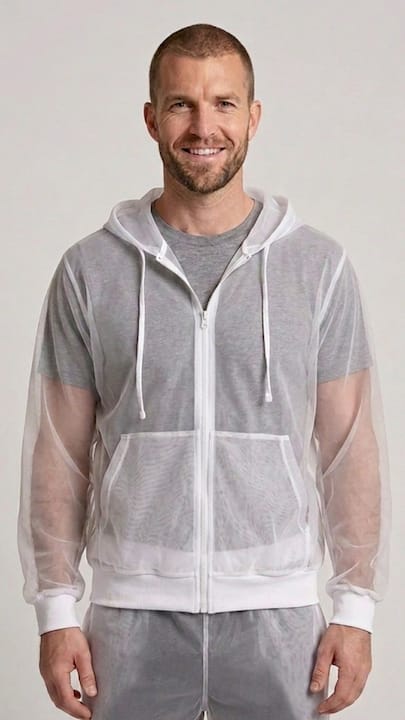
Bug Away Jackets and Pants: What Fits Your Trip
Each garment is built around the same idea: block bites with an ultra-fine mesh barrier, keep airflow open, and skip the chemicals entirely.
- Bug Away Jacket, Men: A hooded, vented mesh shell built for hikers and anglers who want a lightweight layer to throw on the moment mosquitoes show up. Best for day hikes, fishing trips, and yard work in peak bug season.
- Bug Away Jacket, Women: The same chemical-free mesh construction in a fitted women’s cut, with a face-covering hood and sealed cuffs. Best for gardeners and trail walkers who want coverage without the boxy fit of unisex sizing.
- Bug Away Pants, Men: Lightweight mesh pants with an integrated foot design that closes the gap ticks use to climb up from grass and leaf litter. Best for hikers and campers who need ankle-to-waist protection without tuck and retuck a pant leg all day.
Each piece checks the boxes from the selection criteria above: fine mesh gauge for bite-blocking, back and underarm venting for airflow, hoods and ankle coverage for the gap zones insects exploit, and a fabric weight light enough to stuff into a daypack.
| Product | Best For | Coverage | Packability |
|---|---|---|---|
| Jacket, Women | Gardening, trail walks | Hood, sealed cuffs | Stuffs into a daypack |
| Pants, Men | Camping, tick-heavy terrain | Integrated foot coverage | Rolls flat for travel |
Sizing runs true to standard men’s and women’s charts, and all three pieces are built loose enough to layer over regular clothing. If a size doesn’t work out, many vendors back orders with money-back guarantees, so fit issues aren’t a financial risk.
How Do You Wash and Store Mesh Bug Clothing?
Mesh is tougher than it looks, but heat and abrasion are its enemies. A gentle machine cycle in cold water, or a hand wash, keeps the weave intact far longer than a hot cycle ever will.
- Skip the dryer. Heat can warp or stretch fine mesh fibers; hang-dry instead.
- Turn the garment inside out before washing to reduce snagging on zippers or Velcro from other laundry items.
- Pack it loosely folded or in a mesh stuff sack rather than crammed into a tight roll, which stresses the weave at fold lines over time.
- Treat it as an outer layer you put on and pull off as conditions change, not something you wear zipped tight for twelve hours straight.
- Retire the garment once you spot stretched-out mesh, small holes, or seams pulling loose. Those gaps are exactly where a mosquito or tick gets through.
Pro Tip: Store bug clothing somewhere dry and separate from sharp gear like tent stakes or hiking poles. A single snag can open a hole that takes just a few weeks to widen into a real gap in protection.
Chemical-Free Mesh vs. Permethrin-Treated Clothing: Which Wins?
Neither approach is universally better. Each solves a different problem, and the honest answer depends on your exposure level.
Permethrin-treated clothing kills or repels insects on contact, and depending on the manufacturer’s process, that effect can survive up to 40 or up to 70 washes. That’s genuinely useful for people spending long hours in dense tick habitat. But it’s still a chemical, it needs reapplication or replacement once the wash-rating expires, and some parents and gardeners would rather avoid it around kids and pets altogether.
Chemical-free mesh skips that tradeoff entirely:
- No chemical exposure, ever, so it’s safe for kids and pets without a second thought
- Nothing to reapply and no wash-rating clock running down
- Protection comes purely from the weave and fit, so it doesn’t degrade with normal washing
The limitation of mesh is coverage discipline: gaps at a loose cuff or an untucked shirt hem defeat the barrier. Entomologists commonly recommend a redundant approach for the highest-risk settings, layering a physical barrier with treated fabric or tucked clothing to cut skin exposure as close to zero as possible. In practice, that might mean a permethrin-treated base layer under a Bug Away mesh jacket for a week-long trip through heavy tick country, with our permethrin clothing safety guide worth a read before you go that route.
Why We Built Bug Away Around Chemical-Free Mesh
We built Bug Away around one belief: protection shouldn’t require a chemical tradeoff. Families, hikers, and gardeners get the most out of this approach, since they want daily, reapplication-free protection. If your trip means days in dense tick habitat, pairing mesh with a treated base layer is the safer call, and it’s worth doing your homework on both before you go.
— Thomas
Where to Buy Bug Away Gear and What to Know Before You Order
Once you know what to look for in coverage, mesh gauge, and venting, the fastest path forward is comparing those features against what’s actually in stock. Bug Away’s full lineup lives at Bugawaygear, with dedicated pages for the men’s jacket, women’s jacket, and men’s pants.
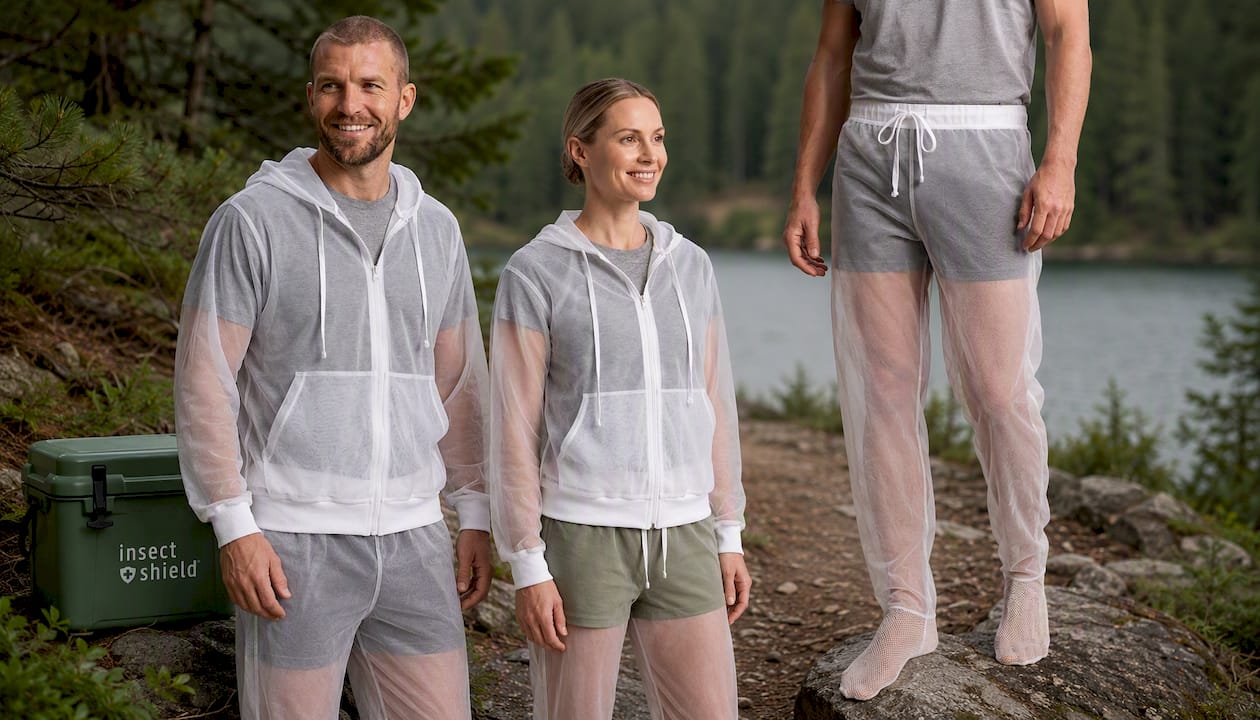
A few buying tips before you check out: order a size up if you plan to layer mesh over regular hiking clothes, since a snug fit defeats the airflow that makes mesh comfortable in the first place. If you want head-to-toe coverage, pairing a jacket and pants set covers the gap zones at the waist that a jacket alone can’t reach, and adding a head net or gaiters from the accessories line closes the last openings ticks exploit. Some companies offer money-back guarantees to reduce the risk if the fit or fabric doesn’t work for your trip. Head to the site, pick your size, and get your kit sorted before your next hike or garden weekend.
Sources
- Does bug-repellent clothing really work? (Utah State University Extension archive)
- Your clothes can fight mosquitoes: the science behind permethrin-treated clothing (Entobites, 2026)
- The Best Bug-Repellent Clothing in 2024 (Self)
FAQ
What Is the Best Bug-Resistant Clothing?
The best choice depends on your exposure level. For daily hikes, gardening, and family outings, a chemical-free mesh jacket and pants combo, such as Bug Away’s jacket and pants sets, gives full coverage without chemicals; for extended time in heavy tick habitat, pairing mesh with a treated base layer adds extra protection.
Does Insect-Repellent Clothing Actually Work?
Yes, both approaches work through different mechanisms. Chemical-free mesh blocks bites physically by keeping fabric away from skin, while permethrin-treated fabric repels or kills insects on contact and holds that effect for a rated number of washes.
What Fabric Can Mosquitoes Not Bite Through?
Tightly woven, fine-gauge mesh that sits away from the skin stops a mosquito’s proboscis from reaching through, which is why mesh gauge matters more than fabric weight alone. Loose-fitting synthetic mesh performs better than snug natural fabrics for this exact reason.
What Should You Wear to Avoid Bug Bites?
Choose a hooded mesh jacket with sealed cuffs, long pants with integrated foot coverage or tucked hems, and light colors that make ticks easier to spot. Reviewers consistently favor packable, quick-on mesh designs because you can add or remove the layer as insect pressure changes throughout the day.
Are Bug Jackets Actually Breathable?
Good ones are, but breathability depends on design, not just the mesh itself. Back vents, a loose cut, and moisture-wicking panels at the collar all matter as much as mesh fineness, so check for those features before assuming any mesh jacket will feel cool in humid heat.